
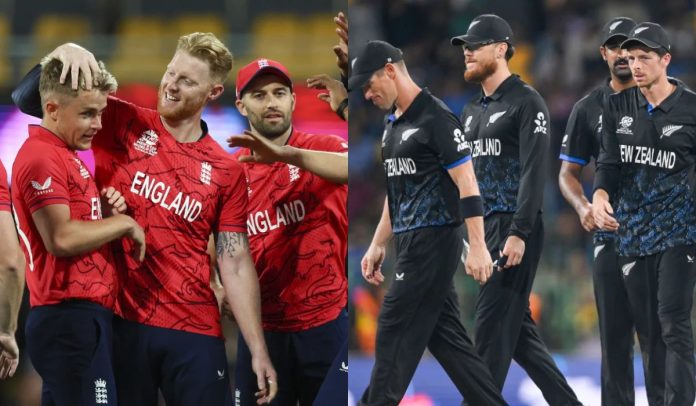

The rivalry between England and New Zealand is one of the most competitive matchups in international cricket. Both teams have developed strong cricketing traditions, producing memorable contests across Test matches, One Day Internationals (ODIs), and Twenty20 Internationals (T20Is). Their encounters often feature impressive batting performances, disciplined bowling, tactical decisions, and dramatic finishes that keep fans interested until the final over or session.
The england cricket team vs new zealand national cricket team match scorecard is an important resource for fans who want to understand how a match unfolded. It records individual batting scores, wickets, overs, bowling figures, extras, innings totals, and the final result. However, a scorecard becomes even more useful when readers understand the circumstances behind the numbers. Pitch conditions, partnerships, the fall of wickets, and the timing of important breakthroughs can all influence a team’s performance. This article explains how to read the scorecard, assess individual contributions, and understand the tactical elements that make England versus New Zealand such an engaging cricket contest.
England vs New Zealand Cricket Rivalry
England and New Zealand have competed against each other in international cricket for decades. Their rivalry includes traditional Test cricket, competitive ODI series, and fast-paced T20 encounters. Although both teams have different cricketing histories and playing styles, they share a reputation for producing technically skilled players and adapting to changing match situations.
England has frequently emphasized aggressive batting, particularly in limited-overs cricket, where quick scoring can place pressure on the opposition. New Zealand, meanwhile, has often earned recognition for teamwork, disciplined execution, and effective use of bowling resources. These general characteristics can change according to the format, playing conditions, team selection, and match situation.
Their contests are particularly interesting because neither side can rely on reputation alone. England’s batting depth can challenge New Zealand’s bowling attack, while New Zealand’s ability to build partnerships and exploit pressure can create problems for England. A detailed scorecard helps readers determine which team controlled the major phases of a match and which individual performances influenced the outcome.
Understanding the Match Scorecard
A cricket scorecard provides a structured summary of everything that happens during an innings. The batting section lists each batter’s runs, balls faced, boundaries, sixes, and dismissal details. The bowling section records overs, maidens, runs conceded, wickets, and economy rate. Extras, total runs, wickets lost, and the number of overs completed help readers understand the team’s overall performance.
When examining an England versus New Zealand match, the first step is to identify the format and the innings totals. A Test match can contain four innings, while an ODI or T20I usually consists of one innings per team. The format determines how teams approach scoring rates, bowling changes, and risk management.
The england cricket team vs new zealand national cricket team match scorecard should also be read alongside the match result and fall-of-wickets information. A team might finish with a competitive total but lose wickets rapidly in the middle overs. Another side might score fewer runs early but recover through a strong partnership. These details reveal the difference between the final numbers and the performance that produced them.

England vs New Zealand Match Scorecard Table
The following table provides a sample format for reviewing a match. It is an illustrative template, not the verified scorecard of a particular England-New Zealand fixture.
| Match detail | England | New Zealand |
|---|---|---|
| Innings | First or second innings | First or second innings |
| Total runs | Enter actual score | Enter actual score |
| Wickets lost | Enter actual wickets | Enter actual wickets |
| Overs faced | Enter actual overs | Enter actual overs |
| Top scorer | Enter batter’s name | Enter batter’s name |
| Best bowling figures | Enter bowler’s figures | Enter bowler’s figures |
| Extras | Enter actual extras | Enter actual extras |
| Final result | Win, loss, or draw | Win, loss, or draw |
For an accurate match report, these fields should be completed using the scorecard for the specific fixture. The date, venue, competition, and format should also be included because England and New Zealand meet regularly in different tournaments and bilateral series.
England Batting Performance
England’s batting performance can be assessed through the opening partnership, middle-order contributions, and finishing ability. Openers generally aim to establish a stable foundation, assess the pitch, and take advantage of scoring opportunities. In limited-overs cricket, they may also look to score quickly during the powerplay, while Test openers often need to balance patience with opportunities to attack.
The middle order becomes especially important when early wickets fall. Batters must rebuild the innings, rotate the strike, and identify the right moments to accelerate. A partnership between two well-set batters can change the direction of a match, particularly when they reduce the pressure created by early dismissals.
England’s lower order can also influence the final total. Contributions from all-rounders and tail-end batters may add valuable runs during the closing overs or lower-order partnerships in Test cricket. When reviewing the scorecard, readers should consider not only the highest individual score but also the number of batters who made meaningful contributions.
Important batting statistics include:
- Runs scored: The total contribution made by each batter.
- Balls faced: The number of deliveries required to score those runs.
- Strike rate: Particularly useful in ODI and T20 cricket.
- Boundaries: Fours and sixes that show how batters accumulated runs.
- Partnerships: Combined contributions that help explain innings development.
New Zealand Batting Performance
New Zealand’s batting approach depends on the match format, opposition bowling attack, and playing conditions. The team may prioritize building a steady platform before accelerating, or it may adopt an attacking approach when the pitch and match situation permit. Successful innings generally require a balance between protecting wickets and maintaining an appropriate scoring rate.
The top order sets the tone by handling the new ball and establishing early partnerships. If the opening batters survive the initial overs, they can put pressure on the bowling side and create opportunities for the middle order. However, early dismissals may force the remaining batters to change their plans and rebuild the innings.
New Zealand’s middle order is often central to maintaining momentum after the opening phase. Batters who can rotate the strike, find gaps, and punish loose deliveries help prevent the opposition from controlling the game. In a chase, the required run rate and wickets remaining influence how aggressively the team needs to bat.
When examining New Zealand’s scorecard, readers should look for partnerships, scoring patterns, and the timing of dismissals. A strong individual score is valuable, but its match impact depends on the support received from other batters and the total required to win.
Bowling Analysis: England vs New Zealand
Bowling figures help explain how effectively each team restricted its opponent. The most important statistics include overs bowled, runs conceded, wickets taken, economy rate, and maiden overs. Together, they indicate whether a bowler controlled scoring, created breakthroughs, or struggled under pressure.
England’s bowlers may use a combination of pace, swing, seam movement, spin, and variations depending on the conditions. New Zealand can employ similar methods, with selections and tactics shaped by the surface, weather, and available players. Fast bowlers often target early wickets, while spinners and change bowlers can be important during the middle stages.
The best bowling figures do not always tell the complete story. A bowler who takes fewer wickets but concedes very few runs may create pressure that allows a teammate to take wickets at the other end. Likewise, a bowler who takes several wickets might still concede runs quickly. Readers should therefore consider the economy rate, wicket timing, and match situation together.
Useful bowling indicators include:
- Wickets: How many batters a bowler dismissed.
- Economy rate: Average runs conceded per over.
- Average: Runs conceded per wicket taken.
- Strike rate: Average number of deliveries required per wicket.
- Maidens: Overs in which no runs were conceded from the bowler’s delivery.
Key Moments That Influence the Result
England versus New Zealand matches can turn on a small number of decisive moments. Early wickets may leave a team struggling to build an innings, while a substantial partnership can restore control. In limited-overs cricket, a productive powerplay or an expensive over can significantly alter the scoring pattern.
Fielding is another important factor. A dropped catch can allow a batter to extend an innings, while a direct-hit run-out can break a promising partnership. Boundary saves, sharp catches, and effective communication also influence the number of runs conceded.
In the final overs of an ODI or T20I, the match often becomes a contest between calculated aggression and disciplined execution. Batters must assess the required run rate, while bowlers need to manage their lengths, variations, and field placements. In Test cricket, patience and the ability to sustain pressure over long periods can be equally decisive.
A complete match analysis should identify these turning points and explain how they affected the final result rather than simply listing the runs and wickets.

Head-to-Head Records Across Formats
England and New Zealand have a long history of competition across all three major international formats. Their head-to-head records can help readers understand the broader rivalry, but the figures should be separated by format and updated for the relevant date.
| Format | What to examine | Why it matters |
|---|---|---|
| Test cricket | Matches, wins, losses, draws | Shows long-format performance |
| ODI cricket | Matches, wins, losses, ties | Helps assess limited-overs consistency |
| T20 Internationals | Matches and win percentage | Highlights results in the shortest format |
| Tournament matches | Results in specific competitions | Adds context to high-pressure encounters |
| Recent meetings | Latest results and performances | Shows current competitive trends |
Historical records should be verified before publishing exact totals. Different sources may also categorize abandoned matches, ties, and no-results differently, so the reporting method should be consistent.
How Pitch and Weather Affect the Scorecard
Pitch conditions can have a major influence on the match. A surface offering seam movement may help fast bowlers, especially early in an innings. A dry pitch may provide assistance to spinners, while a flatter surface can allow batters to score more freely. These conditions influence team selection, batting strategy, and bowling plans.
Weather can also affect the game. Cloud cover may assist swing bowling in certain conditions, while rain can interrupt play or shorten a limited-overs match. In day-night fixtures, changing light and moisture may alter how the ball behaves. In Test cricket, weather interruptions can also reduce the time available to force a result.
Readers should therefore avoid judging a team’s performance from the final total alone. A modest score might be competitive on a difficult surface, while a large total may be less impressive on a pitch that strongly favors batting. Venue, conditions, format, and the target all provide essential context for interpreting the scorecard.
Why Fans Search for the Match Scorecard
Fans search for scorecards to find reliable match information quickly. Some want to check the result, while others are interested in individual statistics, bowling performances, partnerships, or the progression of an innings. Journalists, bloggers, analysts, and fantasy-cricket followers may also use scorecards as a starting point for more detailed performance reviews.
The england cricket team vs new zealand national cricket team match scorecard is especially useful when paired with a clear explanation of the match. A well-organized report should identify the fixture, list both innings, summarize the leading performances, and explain the decisive moments.
For readers comparing multiple encounters, it is important to distinguish Test, ODI, and T20I statistics. A batter’s strike rate has a different meaning in a Test match than in a T20I, while bowling economy is interpreted differently across formats. Accurate context makes the information more meaningful and helps readers avoid misleading comparisons.
Conclusion
England and New Zealand continue to provide compelling international cricket through contrasting strategies, skilled players, and competitive team performances. Understanding their encounters requires more than knowing the final score. Batting partnerships, bowling figures, fall of wickets, fielding contributions, pitch conditions, and tactical decisions all help explain why a match ended the way it did.
The england cricket team vs new zealand national cricket team match scorecard offers a practical starting point for reviewing these details. For the most useful analysis, readers should verify the exact fixture and use its official figures rather than relying on a generic template. Combining accurate statistics with a clear explanation of key moments creates a more informative picture of the match and the wider England-New Zealand rivalry.