


Introduction
India vs New Zealand T20 matches are known for their competitive cricket, tactical battles, explosive batting and exciting finishes. Both teams have developed strong T20 sides, combining experienced international players with young talent who can change the direction of a match within a few overs. Whether the teams meet in a bilateral series, the ICC Men’s T20 World Cup or another international competition, their contests attract attention from cricket fans who want to understand the statistics, player performances and factors that determine the result.
The India vs New Zealand T20 rivalry is particularly interesting because the teams often approach the shortest international format differently. India generally has access to a deep batting lineup and several bowling options, while New Zealand is widely respected for its disciplined cricket, adaptability and ability to perform under pressure. These strengths make their encounters useful examples of how individual brilliance and collective planning work together in T20 cricket.
Fans searching for India vs New Zealand T20 information may want to compare head-to-head records, understand the importance of batting first, identify influential players or review memorable matches. Looking beyond the final score provides a clearer picture of the contest. Pitch conditions, the toss, powerplay wickets, middle-over scoring and death bowling can all influence the outcome.
This article examines the rivalry, explains the statistics that matter, discusses important players and strategies, and explores what spectators should watch when India and New Zealand meet in a T20 international.
Understanding the India vs New Zealand T20 Rivalry
India and New Zealand have competed in T20 internationals since the early years of the format. Their rivalry has developed through bilateral series and major international tournaments, giving both teams opportunities to test different combinations and playing styles. Unlike a traditional five-day contest, a T20 international offers limited time for recovery after a poor start, so even a small tactical advantage can become decisive.
India’s approach often benefits from batting depth, powerful stroke-makers and flexible bowling combinations. The team can build an innings carefully before accelerating, or attack immediately when conditions allow. Its bowling resources may include fast bowlers, wrist-spinners, finger-spinners and all-rounders, allowing captains to adjust their plans according to the opposition.
New Zealand typically emphasizes preparation, disciplined execution and adaptability. Its players are accustomed to working with defined roles, whether that means attacking in the powerplay, controlling the middle overs or defending a target with changes of pace. The team has also demonstrated that it can compete with highly rated opponents by making effective use of field placements and bowling variations.
The contrast is not absolute. India can win through disciplined bowling, and New Zealand can produce aggressive batting performances. Both teams adapt to conditions and personnel. That flexibility is precisely what makes their T20 meetings compelling.
A reliable assessment of this rivalry should distinguish between overall head-to-head results, tournament performances and recent form. A team may dominate one bilateral series but struggle in a different country or under unfamiliar conditions. Historical records provide context, but the current lineup and match environment are often more important when evaluating an upcoming fixture.
India vs New Zealand T20 Head-to-Head Records
Head-to-head records are among the most common reasons fans search for India vs New Zealand T20 statistics. These records show how often the teams have played, how many matches each side has won and whether one team has enjoyed a consistent advantage over time.
However, the figures must be interpreted carefully. Overall T20 international results are different from T20 World Cup results, and neither should be confused with records from the Indian Premier League or other domestic T20 competitions. Each category measures a different kind of performance.
India and New Zealand have experienced changing fortunes across different periods. Results depend on the players available, the venues selected, the condition of the pitch and the tactical choices made during each match. A team that performs exceptionally well at home may face a different challenge when playing on unfamiliar surfaces overseas.
For accurate head-to-head comparisons, readers should check the latest completed matches before relying on a particular win total. Records change whenever the teams meet, and statistics published before a recent series may no longer be current.
The most useful comparison includes total matches played, wins for each team, tied matches, no-results and tournament-specific results. Examining these categories separately prevents confusion and helps readers understand the rivalry more accurately.
Another important consideration is the margin of victory. Winning by a comfortable number of runs can suggest that a team controlled the game, while a narrow win may indicate a closely balanced contest. Nevertheless, margins alone cannot explain every match because a successful chase can be completed with wickets remaining, while a low-scoring match can be decided by only a few runs.
Important India vs New Zealand T20 Statistics to Know
T20 cricket produces a wide range of statistics, but some are more useful than others when comparing India and New Zealand. Team totals provide an overview of batting performance, while individual figures explain how players contribute to the result.
Batting statistics include total runs, batting average, strike rate, boundaries, sixes and individual high scores. The batting average indicates how consistently a player scores before being dismissed, whereas the strike rate measures scoring speed. Both figures should be considered together because a batter can score quickly but struggle to remain at the crease.
Bowling statistics are equally important. Economy rate measures the average number of runs conceded per over, while bowling average relates runs conceded to wickets taken. Strike rate measures the number of deliveries required per wicket. These figures help explain whether a bowler controls scoring, takes wickets regularly or performs both roles effectively.
Team-level numbers can also reveal patterns. A strong powerplay may create a platform for a large total, but losing several wickets early can force the batting side to change its approach. Similarly, a bowling team that concedes few runs during the middle overs may build pressure that produces wickets later.
Fielding statistics deserve attention as well. Catches, run-outs, missed opportunities and ground fielding can influence a close T20 contest. A single dropped catch may allow an established batter to score substantially more runs than expected.
The best statistical analysis combines several indicators instead of relying on one impressive number. For example, a batter’s recent strike rate against spin may help explain a particular matchup, while a bowler’s performance in the final overs may be more relevant when assessing the likely finish of a close game.
India vs New Zealand T20 Match Comparison
A useful comparison should focus on the conditions and performance measures that directly influence the result. The following table summarizes the main areas to examine when assessing the two sides.
| Comparison factor | India | New Zealand |
|---|---|---|
| Batting approach | Can combine aggressive starts with substantial batting depth | Can use calculated aggression and adaptable batting roles |
| Powerplay strategy | Early boundaries and partnerships can establish momentum | Disciplined bowling and targeted scoring opportunities are important |
| Middle overs | Batting depth and spin options can shape this phase | Spin management and tactical bowling changes can be influential |
| Death overs | Finishing ability and varied bowling options are valuable | Yorkers, slower balls and composed finishing can make a difference |
| Spin bowling | May use wrist-spin, finger-spin and all-round options | Selection and tactics depend on conditions and available players |
| Fielding | Athletic fielding and catching can support a strong bowling effort | Accurate fielding and pressure management are important |
| Key performance measure | Partnerships, boundary scoring and wicket-taking | Partnerships, bowling control and effective execution |
This comparison describes general tactical possibilities rather than fixed characteristics. The actual balance depends on the selected players, the venue and the match situation. For example, a lineup featuring several specialist spinners may approach the middle overs differently from a side built around pace and seam movement.
The table is most useful as a framework for analysis, not as proof that one team is automatically stronger in a particular department. Current form and individual matchups should always be considered alongside broader team tendencies.
Memorable India vs New Zealand T20 Matches
Several matches have helped establish the rivalry’s reputation for drama. The teams have competed in bilateral T20 internationals and ICC tournaments, with contests decided by batting collapses, successful chases, bowling pressure and individual performances.
One notable early chapter came during the inaugural ICC Men’s T20 World Cup in 2007. New Zealand defeated India in their group-stage meeting, demonstrating how effectively a well-planned bowling and batting performance could challenge a highly regarded opponent. The result remains part of the tournament history that shaped the rivalry.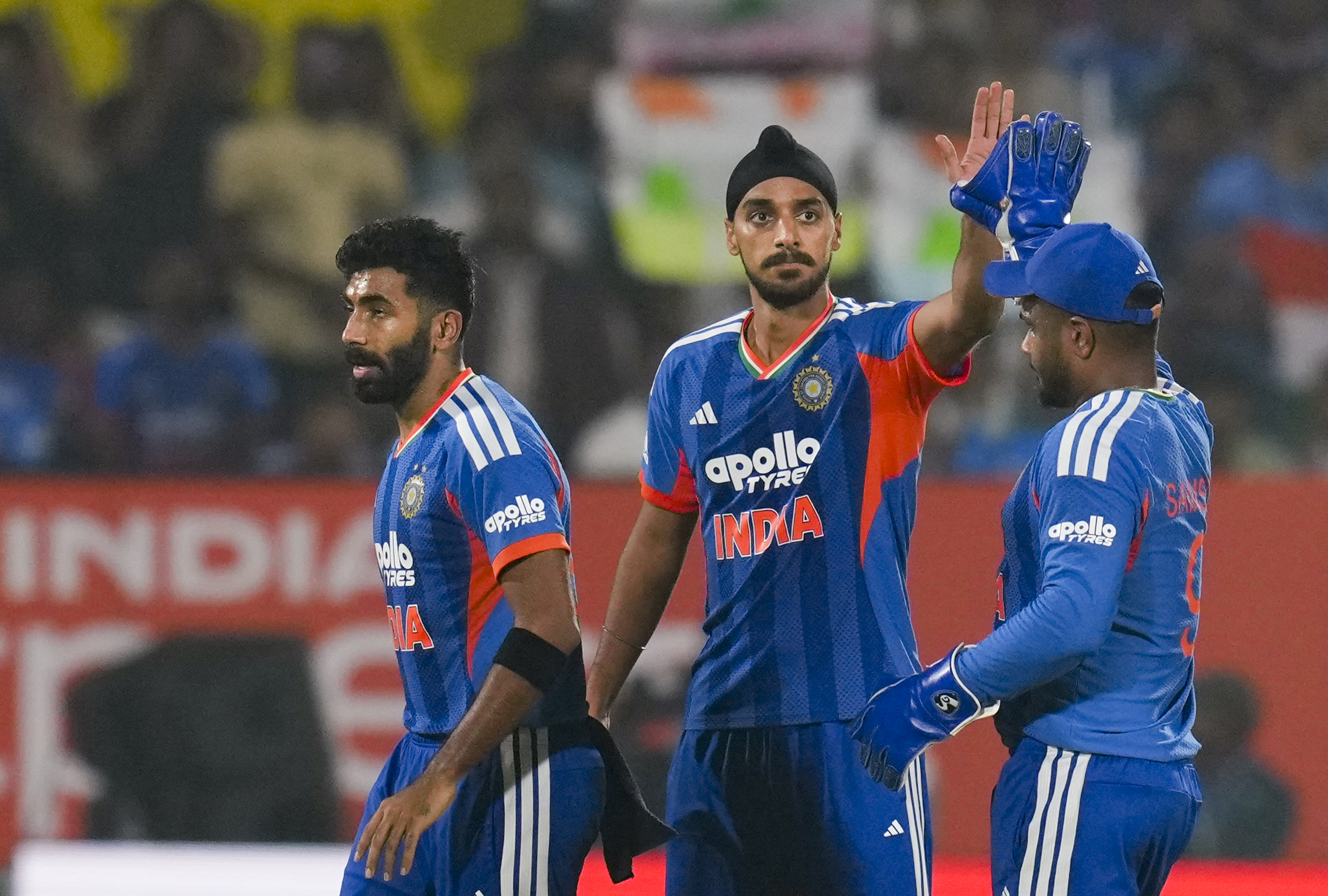
The teams have also played closely contested bilateral matches in which one side appeared to be in control before the game changed direction. T20 cricket makes such reversals possible because a single over can produce a sudden surge of runs or multiple wickets. A team defending a total can regain momentum through an unexpected breakthrough, while a batter can quickly change the required run rate through boundaries.
Tournament encounters carry additional pressure. Players must balance aggression with the risk of elimination, and captains may make more conservative or more adventurous decisions depending on the standings. In these situations, composure becomes as important as technical ability.
When reviewing memorable matches, it is helpful to consider more than the result. The opening partnership, the timing of wickets, the performance of the middle order and the effectiveness of the final overs all contribute to the story of a game. Looking at scorecards alongside match reports provides a more complete understanding of why a particular contest became significant.
For fans, these matches also demonstrate why historical results cannot guarantee future outcomes. Teams change, conditions differ and individual performances vary. A past defeat can inform preparation, but it does not determine what will happen in the next meeting.
Pitch Conditions and Weather in India vs New Zealand T20
Pitch conditions can substantially affect the outcome of an India vs New Zealand T20 match. Some surfaces allow batters to play attacking shots comfortably, while others provide assistance to fast bowlers, reward accurate spin or make stroke-making difficult as the innings progresses.
On a flat pitch with consistent bounce, batters may be able to play through the line and target boundaries from the beginning. In these circumstances, a high total can become possible, especially when the batting side retains wickets during the powerplay. Bowlers must rely on variations, changes of pace and accurate lines rather than expecting the surface to create opportunities.
A slower pitch can produce a different contest. Spinners may find it easier to control scoring, and batters might need to rotate the strike rather than attempt a boundary on every delivery. A total that looks modest on a difficult surface can still prove competitive if the bowling side uses the conditions intelligently.
Weather is another consideration. Cloud cover, humidity and the possibility of rain may affect playing conditions, while dew can influence how easily bowlers grip the ball during evening matches. When the outfield becomes wet, defending a target can be more difficult because the ball may travel quickly and become harder to control.
The toss can also matter, but its importance depends on the venue. Teams may prefer to chase when they expect dew or when the pitch is likely to remain good for batting. In other circumstances, batting first can provide an opportunity to establish a total before conditions change.
There is no universal rule that India or New Zealand should always bat first or field first. The best decision depends on the ground, weather forecast, team composition and assessment of the surface. Match previews are most useful when they explain these factors instead of treating the toss as a guaranteed predictor of victory.
Strategies That Can Decide an India vs New Zealand T20 Match
T20 strategy revolves around managing risk across a limited number of overs. Every team wants to score quickly, but reckless batting can expose the lower order too early. Likewise, defensive bowling may prevent boundaries temporarily while allowing batters to build a partnership and accelerate later.
The powerplay is especially important because fielding restrictions create opportunities for aggressive batting. India may attempt to capitalize on its top-order strength, while New Zealand may look for early wickets to prevent a strong start. Both approaches require balance: attacking too cautiously can leave too many runs for the final overs, while excessive aggression can lead to a collapse.
During the middle overs, the contest often shifts toward strike rotation and wicket preservation. Batters need to identify scoring options against spin and avoid allowing dot balls to build pressure. Captains may respond by changing bowling ends, introducing a different type of bowler or adjusting field placements to challenge a particular batter.
Death-over execution is another major factor. Batters look for boundaries, but bowlers attempt to reduce scoring opportunities through yorkers, wide lines, slower deliveries and changes in length. These plans require control because a poorly executed variation can become an easy boundary.
The most important strategic considerations include:
-
Powerplay management: Build momentum while avoiding unnecessary early wickets.
-
Middle-over control: Rotate the strike, target suitable matchups and maintain scoring pressure.
-
Bowling changes: Use pace, spin and variations according to the batter and pitch conditions.
-
Death-over execution: Combine accurate deliveries with sensible field placements and clear plans.
-
Fielding discipline: Convert catches, prevent extra runs and avoid mistakes under pressure.
These principles apply to both teams. The difference comes from how effectively each side identifies its opportunities and executes its plans. A captain who reacts quickly to changing conditions may gain an advantage, but players still need to perform under pressure for that tactical decision to succeed.
Recent Form and Team Selection Before the Match
Recent form is an important part of any India vs New Zealand T20 preview. Historical records explain the rivalry, but performances from the latest matches can provide a more relevant indication of how the teams might approach their next meeting. Analysts generally examine batting consistency, bowling effectiveness, injury updates and the quality of opposition faced.
A batter who has scored heavily in recent matches may enter the contest with confidence, but the conditions still matter. A player who performs well on a fast surface may face a different challenge on a slow pitch that assists spin. Similarly, a bowler’s recent wicket tally should be considered alongside economy rate, the quality of the batters dismissed and the role assigned to that bowler.
Team selection can change the balance of a match considerably. Including an additional specialist batter may strengthen the lower order, while selecting another bowling option can help a captain manage different phases of the innings. All-rounders are particularly valuable when they provide reliable contributions in both departments.
For readers following an upcoming fixture, the most useful preparation involves checking the confirmed playing elevens, official team announcements and the latest match information. Predicted lineups can help explain possible combinations, but they should not be treated as confirmed selections.
It is also important to distinguish between a player’s availability and their expected contribution. A star player may be selected but still face a difficult matchup, while an inexperienced player may prove effective because the conditions suit their strengths. Good analysis considers the entire team rather than relying exclusively on individual reputations.
Conclusion
India vs New Zealand T20 cricket offers an engaging combination of competitive team performances, individual skill and tactical decision-making. The rivalry includes memorable international encounters and provides plenty of opportunities to compare batting, bowling, fielding and captaincy. Understanding these elements helps fans appreciate why some matches produce high totals while others become close, low-scoring contests.
Head-to-head statistics are a useful starting point, but they should be considered alongside recent results, confirmed lineups, venue conditions and player matchups. Powerplay performance, middle-over control and death-over execution can all influence the outcome, while the toss and weather may affect each team’s plans.
For the most accurate India vs New Zealand T20 information, readers should verify current records and match updates through trusted cricket sources. By combining dependable statistics with an understanding of match strategy, fans can follow the rivalry more closely and gain a clearer picture of the factors that shape every contest.