


Introduction
The India vs New Zealand ODI rivalry is one of the most interesting matchups in international cricket, bringing together India’s powerful batting lineup and New Zealand’s disciplined bowling and tactical approach. Over the years, these teams have produced memorable matches in bilateral series, ICC tournaments, and major knockout contests. Their encounters often feature contrasting styles, with India relying on batting depth and spin options while New Zealand emphasizes teamwork, accurate bowling, and adaptability under pressure.
For cricket fans, following India vs New Zealand ODI matches means looking beyond the final score. Head-to-head records, individual centuries, bowling performances, team combinations, and conditions all help explain why certain matches become classics. The rivalry has also evolved as new players have taken over from established stars, creating fresh contests between experienced campaigners and emerging talent.
This article explores the history of India vs New Zealand in One Day Internationals, their head-to-head record, important tournaments, standout performers, playing conditions, and the factors that influence their results. It also explains how readers can interpret ODI statistics to understand the teams’ strengths and prepare for upcoming encounters.
India vs New Zealand ODI Head-to-Head Record
The overall India vs New Zealand ODI record shows India’s historical advantage, although New Zealand have repeatedly demonstrated their ability to challenge the Indian team in important matches. According to recent head-to-head records, the teams have played 123 men’s One Day Internationals, with India winning 63 matches and New Zealand winning 52. One match ended in a tie, while seven matches produced no result.
These numbers illustrate a competitive rivalry rather than a one-sided contest. India have generally enjoyed stronger results on home soil, where familiar pitches and local conditions can support their batting and spin-bowling combinations. New Zealand, meanwhile, have traditionally been difficult opponents in their own conditions, particularly when fast bowlers can exploit movement through the air and off the pitch.
The head-to-head record also includes matches played at neutral venues during World Cups and other international competitions. These games provide a different test because neither side receives the same home advantage it might enjoy in a bilateral series.
Another important distinction is the difference between overall results and performances in major tournaments. A team may dominate a bilateral series but face a much more demanding challenge in a World Cup semifinal or final, where pressure, preparation, and the quality of the opposition can change the contest.
India’s larger number of ODI victories reflects their consistency over several generations. New Zealand’s record, however, demonstrates why their encounters remain unpredictable. Their ability to build partnerships, defend competitive totals, and execute plans against leading batters has helped them remain a serious opponent for India.
How the India vs New Zealand ODI Rivalry Began
India and New Zealand first met in men’s ODI cricket during the 1975 Cricket World Cup in England. New Zealand won that encounter by four wickets at Old Trafford in Manchester, establishing an early advantage in the rivalry. The teams also met during the 1979 World Cup, with New Zealand continuing their strong start. India did not register their first ODI victory over New Zealand until March 1985.
During the 1980s, India gradually became more competitive. The emergence of stronger batting combinations and improving bowling options helped the Indian side turn close contests into victories. The 1987 World Cup was particularly important because India defeated New Zealand twice, including a convincing nine-wicket win at Nagpur that helped India progress to the semifinals.
The rivalry developed further during the 1990s as both countries produced technically accomplished batters and versatile bowlers. Matches became more competitive, with neither team able to maintain complete control over the fixture. India frequently benefited from playing at home, while New Zealand remained dangerous on pitches that offered seam movement and assistance to disciplined fast bowlers.
The 2000s brought another important phase. New Zealand enjoyed successful periods, including a strong home campaign in 2002–03, when they won five matches in a seven-game bilateral series. India responded with improved performances in subsequent tours and home series, demonstrating how quickly momentum could change between these teams.
In more recent years, the rivalry has included high-scoring encounters, dramatic tournament finishes, and memorable individual performances. The introduction of more aggressive batting methods has also changed the character of India vs New Zealand ODI matches, making partnerships, powerplay scoring, and death-over execution increasingly important.
India vs New Zealand ODI Record by Venue
Venue conditions play a major role in understanding this rivalry. The historical figures show a strong difference between matches played in India, matches played in New Zealand, and games held at neutral venues.
| Venue category | Matches | India wins | New Zealand wins | Other results |
|---|---|---|---|---|
| India | 43 | 32 | 10 | 1 no result |
| New Zealand | 45 | 14 | 26 | 1 tie, 4 no results |
| Neutral venues | 35 | 17 | 16 | 2 no results |
| Overall | 123 | 63 | 52 | 1 tie, 7 no results |
Source: Historical ODI head-to-head records, updated through January 2026.
The figures highlight the importance of home advantage. India have won 32 of their 43 ODIs played in India, while New Zealand have won 26 of 45 matches on their home grounds. At neutral venues, the record is much closer, with India holding only a narrow advantage in victories.
Indian pitches often offer opportunities for batters to play attacking strokes, although conditions vary considerably between venues. Some grounds provide good bounce and pace, while others become slower as matches progress. Spinners can become influential when the surface grips the ball, particularly during the middle overs.
New Zealand’s grounds can present a different challenge. Cloud cover, moisture, and early movement may help fast bowlers, while the larger dimensions of certain venues can make boundary hitting more demanding. Indian batters must often adapt their timing and shot selection rather than relying entirely on power.
Neutral venues remove some of these familiar advantages. The teams must adjust to the surface, weather, and ground dimensions within a limited preparation period. This is one reason tournament matches can produce different outcomes from bilateral series played at home.
Memorable India vs New Zealand ODI Matches
Several encounters have shaped the rivalry and remain important reference points for cricket fans. They demonstrate how batting quality, bowling pressure, and match situations can influence results.
One of the most significant recent matches was the 2019 World Cup semifinal at Manchester. New Zealand made 239 for eight in a rain-affected match that continued into the reserve day. India’s chase began poorly, and the team eventually fell 18 runs short. New Zealand’s disciplined bowling and effective fielding proved decisive in a high-pressure knockout contest.
The 2023 World Cup semifinal produced a different result. India scored 397 for four at Mumbai, powered by centuries from Virat Kohli and Shreyas Iyer. New Zealand responded with determination, but India won by 70 runs. Mohammed Shami’s seven-wicket performance was one of the defining bowling displays of the tournament. The 2025 ICC Champions Trophy final in Dubai provided another memorable chapter. New Zealand scored 251 for seven, setting India a target of 252. India reached 254 for six and won by four wickets, securing the trophy through a composed chase. The result reinforced India’s ability to manage pressure in a major final.
These matches show that the rivalry cannot be understood through overall win totals alone. New Zealand have often made India work hard in knockout games, while India have responded with major performances of their own. Tournament experience, the ability to recover from setbacks, and composure during the final overs can be just as important as a team’s statistical advantage.
India vs New Zealand ODI Records and Batting Statistics
Batting statistics help explain the individual contributions behind the rivalry. India’s ODI approach has frequently depended on top-order consistency, strong middle-order partnerships, and the ability to accelerate late in the innings. New Zealand have often relied on technically sound batters who can absorb pressure before increasing the scoring rate.
Virat Kohli is one of the most prominent performers in this fixture. He scored 124 in the third ODI at Indore on 18 January 2026, bringing his ODI century tally against New Zealand to seven, according to match statistics reported after the game. His ability to rotate the strike, identify scoring opportunities, and build innings makes him a key figure in the historical matchup.
New Zealand’s Daryl Mitchell has also become a major threat against India. During the January 2026 ODI series, he scored 352 runs across three matches, including a century in the series decider. That total set a New Zealand record for runs scored by a batter in a three-match bilateral ODI series, illustrating his outstanding form during the tour.
Other influential batters include Rohit Sharma, Shubman Gill, Ross Taylor, Kane Williamson, and Martin Guptill. Their contributions reflect different batting approaches. Rohit has been known for explosive starts and large scores, while Williamson has often provided stability through timing and placement. Taylor and Guptill delivered important performances for New Zealand across multiple phases of their careers.
The value of a batting record depends on context. A century scored while chasing a large target can carry a different strategic significance from one made on a difficult surface in a low-scoring match. Similarly, strike rate, average, boundary percentage, and performance under pressure should be considered together rather than as isolated numbers.
Partnerships are equally important. A batter who scores 70 runs while sharing a substantial stand with a teammate may influence the match more than a player who scores quickly but loses partners at the other end. In ODI cricket, maintaining wickets in hand allows a team to accelerate during the final ten overs without taking unnecessary risks too early.
Key Players Who Have Shaped the Rivalry
The India vs New Zealand ODI rivalry has featured generations of influential players. Their contributions extend beyond individual statistics because they have helped define each team’s approach to the fifty-over format.
For India, Sachin Tendulkar, Sourav Ganguly, Rahul Dravid, MS Dhoni, Rohit Sharma, and Virat Kohli have played important roles across different eras. Tendulkar combined technical skill with attacking ability, while Ganguly strengthened India’s top order and leadership. Dravid brought stability, and Dhoni became renowned for his calm decision-making during close finishes. Rohit and Kohli have continued India’s tradition of producing high-impact ODI batters.
New Zealand’s history includes Richard Hadlee’s era, followed by players such as Stephen Fleming, Nathan Astle, Daniel Vettori, Brendon McCullum, Ross Taylor, Kane Williamson, and Trent Boult. These cricketers contributed through batting, bowling, captaincy, and tactical flexibility. Their performances helped New Zealand remain competitive against stronger-resourced opponents.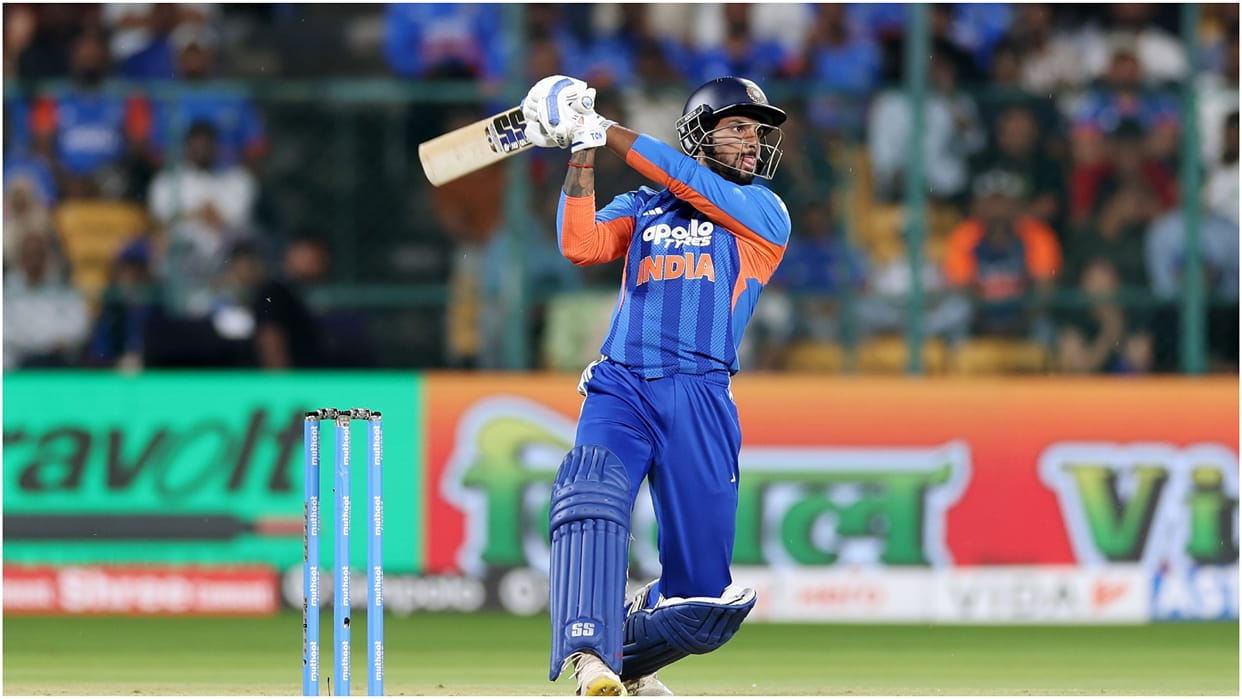
Several modern players deserve particular attention when evaluating a matchup. Daryl Mitchell’s recent performances against India have shown how a batter can combine patience with powerful stroke play. Mitchell Santner provides a left-arm spin option and can contribute valuable lower-order runs. India’s Shubman Gill offers top-order consistency, while Kuldeep Yadav can create wicket-taking opportunities through variations in flight and turn.
The most effective player comparisons should account for role and conditions. Comparing a specialist opening batter directly with a middle-order finisher may be misleading because their responsibilities differ. A bowler’s economy rate also needs context: restricting runs on a difficult surface may be more valuable than taking wickets on a pitch where batters are already struggling.
Bowling Strengths of India and New Zealand
Bowling has often been decisive in India vs New Zealand ODI contests. India’s attack has traditionally combined seamers who can take wickets with spinners who control the middle overs. New Zealand have frequently depended on accurate fast bowling, swing, seam movement, and well-planned changes of pace.
Mohammed Shami delivered a memorable performance in the 2023 World Cup semifinal, taking seven wickets for 57 runs. His display illustrated the impact a fast bowler can have even when facing a talented batting lineup. Shami’s ability to attack the stumps, extract movement, and maintain pressure made him especially effective in that match.
For New Zealand, Trent Boult and Tim Southee have been significant ODI bowlers against India. Boult’s left-arm angle can challenge right-handed opening batters, while Southee has used swing and changes of pace to create opportunities. Mitchell Santner offers control through left-arm spin, especially when the pitch supports slower bowling.
India’s spin resources have included Kuldeep Yadav and Yuzvendra Chahal, whose variations can make scoring difficult during the middle overs. Their effectiveness depends on conditions, field placements, and how well batters use their feet. A spinner who can force batters to hit against the turn or reach for the ball can generate both wickets and pressure.
Bowling plans must also change throughout a fifty-over innings. New-ball bowlers generally aim to exploit movement and early uncertainty. During the middle overs, captains may use spin and disciplined lengths to slow the scoring rate. At the death, yorkers, slower balls, wide lines, and accurate execution become essential.
The team that adapts its bowling strategy most effectively often gains control of the match. Taking wickets is valuable, but preventing easy boundaries can be equally important because it forces batters to attempt higher-risk shots later in the innings.
What the January 2026 ODI Series Revealed
The January 2026 series in India was a major turning point in the rivalry. India won the opening match by four wickets after successfully chasing New Zealand’s 300 for eight. New Zealand responded by winning the second ODI by seven wickets, then secured the series with a 41-run victory in the third match at Indore. The final result was a 2–1 series win for New Zealand.
The outcome was particularly significant because it marked New Zealand’s first bilateral ODI series victory in India. Before this achievement, India had won seven consecutive bilateral ODI series against New Zealand on home soil, stretching back to the 1988–89 season. The result showed that historical home advantage does not guarantee future success.
The second ODI was especially important because New Zealand successfully chased 285, their highest successful ODI run chase against India on Indian soil at that point. The performance demonstrated the value of partnerships and composure when pursuing a demanding target. Rather than relying on a single batter, New Zealand built a chase that maintained momentum and kept the required run rate under control.
The deciding match produced another impressive batting display. New Zealand scored 337 for eight, with Mitchell making 137 and Glenn Phillips contributing 106. Their fourth-wicket partnership added 219 runs, giving the visitors a strong platform. India managed 296 in reply, leaving New Zealand with a 41-run victory.
The series offered lessons for both sides. India showed they could chase a total of 301, but their bowling and batting consistency were tested across the next two games. New Zealand demonstrated that disciplined planning, strong middle-order batting, and effective execution could overcome familiar home conditions.
Important Factors That Influence an India vs New Zealand ODI Match
Several factors can determine the result of an ODI between these teams. Although player quality matters, the tactical decisions made before and during the match often influence how that quality translates into runs and wickets.
The most useful factors to consider are:
-
Pitch conditions: A flat surface may favour attacking batters, while a slower pitch can reward accurate spin bowling and patient shot selection.
-
Powerplay performance: Early wickets can disrupt a team’s scoring plan, whereas a strong opening partnership creates a foundation for a large total.
-
Middle-over control: Teams that rotate the strike and avoid unnecessary dismissals can build pressure without sacrificing scoring opportunities.
-
Death-over execution: Accurate yorkers, slower deliveries, and well-judged boundary hitting often decide close matches.
-
Recent player form: A batter scoring consistently or a bowler taking regular wickets may be particularly influential, although past performances do not guarantee future results.
Toss decisions should also be considered in relation to the venue and weather. In some conditions, batting first allows a team to post a target and apply scoreboard pressure. Elsewhere, dew may make bowling difficult later in the match, making a chase more attractive. There is no universal rule that batting first or second is always better.
Team selection is another important element. India may benefit from a balanced combination of pace, spin, and batting depth, while New Zealand often look for flexibility in their bowling attack and dependable middle-order options. The ideal lineup depends on the ground, opposition, player availability, and the stage of the tournament.
Finally, fielding can quietly change the outcome. Dropped catches, missed run-out opportunities, and poor boundary protection give opponents extra scoring chances. A sharp fielding performance, by contrast, can create pressure and turn a close match in a team’s favour.
How to Read India vs New Zealand ODI Statistics Correctly
Head-to-head statistics are useful, but they should not be treated as a complete prediction of an upcoming match. Historical results cover different playing eras, rules, pitches, and team combinations. A result from the 1980s may be valuable for understanding the rivalry’s development, but it has limited direct relevance to the strengths of today’s squads.
Win-loss records are the best starting point because they show the broad balance between teams. Venue splits then reveal whether home conditions have affected results. Recent match results help readers assess current momentum, while individual statistics show which players have performed well against a particular opponent.
Batting average measures runs scored per dismissal, whereas strike rate measures scoring speed. Both matter in ODI cricket, but their importance depends on a player’s role. An opener may need to build a stable platform, while a finisher may be expected to score rapidly in the final overs. Evaluating either player using only one statistic can produce an incomplete picture.
Bowling average, economy rate, and strike rate also measure different aspects of performance. Bowling average indicates runs conceded per wicket, economy rate measures runs conceded per over, and bowling strike rate indicates how many balls are delivered per wicket. Together, these figures provide a more balanced assessment of a bowler’s contribution.
Conclusion
The India vs New Zealand ODI rivalry combines historical significance, contrasting playing styles, outstanding individual performances, and major tournament drama. India’s overall lead of 63 wins to New Zealand’s 52 across 123 matches reflects their long-term success, but the venue split shows how difficult each team can be to beat in familiar conditions.
The rivalry’s recent history has made it even more compelling. India’s victories in the 2023 World Cup semifinal and 2025 Champions Trophy final demonstrated their strength in major tournaments, while New Zealand’s 2–1 series victory in India in January 2026 highlighted their ability to challenge established patterns.