
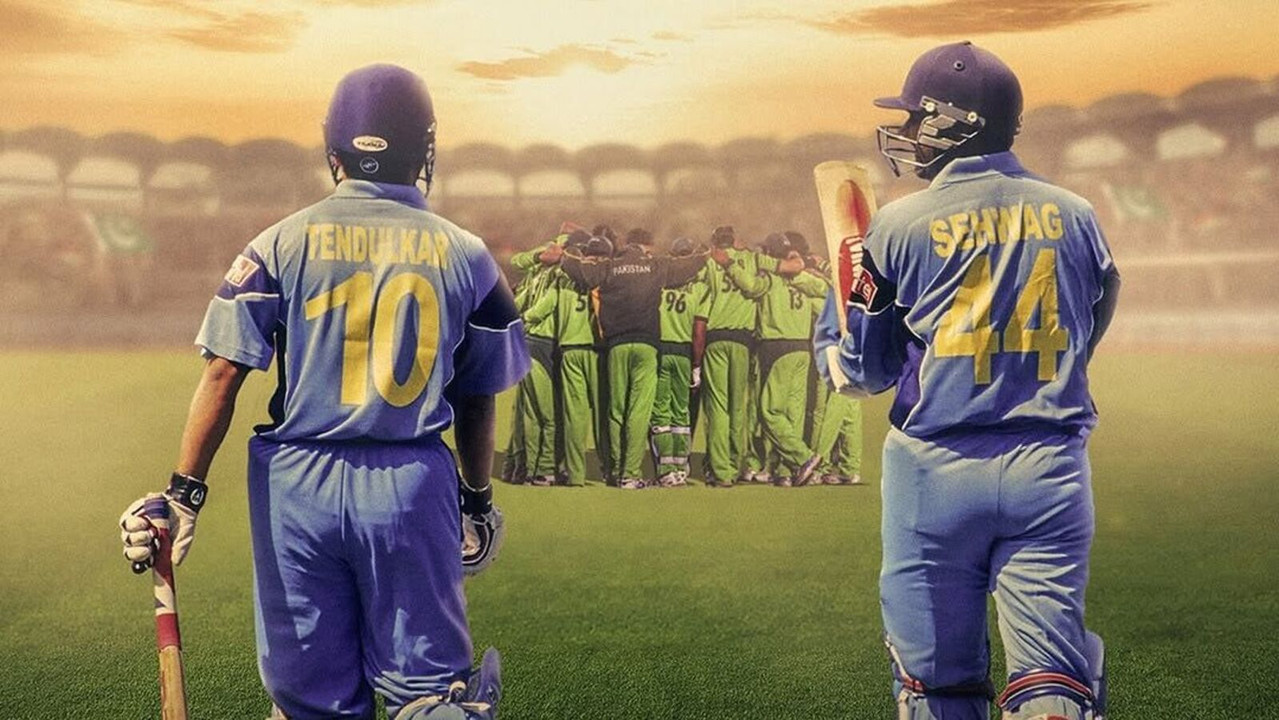

Cricket rivalries are often shaped by history, memorable performances and the emotions surrounding every contest, but few matchups generate the same level of attention as India and Pakistan. The two teams have built one of cricket’s most recognizable rivalries, with every meeting attracting enormous interest from supporters across the world. Whether the format is T20, ODI or a major multi-nation tournament, the contest usually carries significance far beyond the numbers on the scoreboard.
The latest chapter arrived at the 2026 Asian Games, where India and Pakistan met in the men’s cricket final on October 3. India produced a powerful batting performance before controlling the chase with disciplined bowling to win by 19 runs and retain the Asian Games men’s cricket gold medal. India scored 211 for 6, while Pakistan finished on 192 for 6. Abhishek Sharma’s 61 and Tilak Varma’s unbeaten 51 were central to India’s total, while Pakistan’s Hasan Nawaz produced an outstanding 96 during the chase.
The result provides another example of why the rivalry remains so compelling. One side can appear comfortably ahead before an individual performance changes the momentum within a few overs. At the same time, the pressure surrounding the contest means that tactical decisions, field placements, bowling changes and the ability to remain calm can be just as important as individual talent.
Why IND vs PAK Is One of Cricket’s Biggest Rivalries
The importance of an India-Pakistan contest comes from a combination of sporting history and enormous public interest. Unlike a routine bilateral fixture, matches between these sides are generally associated with major international competitions, which gives each encounter an additional layer of importance. Players know that their performances will be remembered, while supporters closely follow every phase of the game.
The rivalry is also unusual because the two teams do not regularly play bilateral series against each other. As a result, opportunities to watch them compete are relatively limited compared with many other international rivalries. When the fixture appears on a major tournament schedule, anticipation begins well before the players enter the field.
For modern audiences, the rivalry has also become a major digital sporting event. Fans follow live scores, team selections, short video clips, statistics and expert analysis throughout match day. This has made the contest accessible to audiences who may not be watching the entire game but still want to understand every important development.
The Latest IND vs PAK Match at the 2026 Asian Games
The most recent men’s meeting took place at Korogi Sports Park in Nisshin during the Asian Games cricket competition. India won the toss and chose to bat first, a decision that proved effective as the batting lineup established a strong platform before accelerating toward the end of the innings. The final score of 211 for 6 gave Pakistan a demanding target in a T20 contest.
Abhishek Sharma provided the initial momentum with an aggressive 61, while Tilak Varma delivered a spectacular finish by scoring an unbeaten 51 from only 22 deliveries. Their contrasting contributions were important: the opening phase created a foundation, while the late acceleration pushed India beyond the 200-run mark. The innings demonstrated how T20 cricket often depends on maintaining scoring pressure throughout the full 20 overs rather than relying exclusively on one extended partnership.
Pakistan’s response began under significant pressure because of the size of the target. Early wickets made the chase more difficult, but Hasan Nawaz changed the complexion of the innings with an extraordinary attacking display. He eventually scored 96, keeping Pakistan in contention deep into the chase. Despite his efforts, India managed the decisive stages better and restricted Pakistan to 192 for 6, securing a 19-run victory.
Key Match Details
| Match Detail | Information |
|---|---|
| Competition | Asian Games Men’s Cricket Competition 2026 |
| Match | India vs Pakistan Final |
| Venue | Korogi Sports Park, Nisshin |
| Date | 3 October 2026 |
| India | 211/6 |
| Pakistan | 192/6 |
| Result | India won by 19 runs |
| India’s key batters | Abhishek Sharma, Tilak Varma |
| Pakistan’s key batter | Hasan Nawaz |
India’s Batting Strategy and Match-Winning Contributions
India’s batting approach in the final highlighted the value of combining controlled accumulation with late acceleration. Abhishek Sharma played the type of innings that can transform a T20 powerplay, scoring quickly enough to put pressure on the bowling attack without allowing the innings to become overly dependent on boundary hitting from the first ball.

The final overs then became especially important. Tilak Varma’s unbeaten 51 from 22 balls gave India the finishing power required to move beyond 200. In T20 cricket, reaching a total above 200 can create psychological pressure because the chasing team knows that an exceptional scoring rate is required almost immediately. India’s ability to increase the run rate toward the end therefore became one of the defining features of the match.
This combination of early momentum and late acceleration is increasingly important in modern T20 cricket. A team cannot simply rely on one batter to score a large individual total. Instead, successful teams need contributions at different stages, with openers creating momentum, middle-order players managing the innings and finishers maximizing the final overs.
Pakistan’s Fightback During the Chase
Pakistan’s chase showed why a high target does not automatically guarantee victory. After losing wickets, the required run rate could have become overwhelming, but Hasan Nawaz responded with fearless stroke play. His 96 gave Pakistan a realistic opportunity of completing what would have been a remarkable chase.
His innings also demonstrated the importance of individual confidence in high-pressure T20 cricket. Once a batter begins finding boundaries regularly, the fielding side can suddenly come under pressure. Captains may need to change bowling plans, move fielders toward the boundary and protect particular areas of the ground.
However, India managed to keep enough control during the closing stages. The bowling unit did not allow Pakistan’s momentum to continue unchecked, and the target eventually became too large to reach. The 19-run margin reflects a match in which Pakistan remained competitive for long periods but India handled the decisive moments more effectively.
The Tactical Battle Between Bat and Ball
A major reason IND vs PAK matches attract so much attention is the tactical battle. Both sides traditionally possess players capable of changing a match within a short period, making bowling changes and field placements extremely important.
In T20 cricket, the first few overs can determine the direction of an innings. A batting team wants to exploit field restrictions, while the bowling side attempts to prevent easy boundaries and create early breakthroughs. Once the field spreads, the middle overs become a contest between strike rotation and wicket-taking. The final overs then bring another tactical challenge, as batters look for maximum boundary opportunities while bowlers try to use variations and accurate yorkers.
The 2026 Asian Games final followed this broader pattern. India’s large first-innings total placed Pakistan under pressure from the beginning of its chase, but Pakistan’s response demonstrated that momentum can shift quickly. Ultimately, India’s ability to defend the total during the closing stages proved decisive.
Why T20 Cricket Makes the Rivalry Even More Exciting
T20 cricket has added another dimension to the India-Pakistan rivalry because the shorter format leaves very little room for recovery. A poor powerplay can create immediate pressure, while one explosive over can completely change the equation.
This format also increases the importance of specialists. Teams require aggressive opening batters, versatile middle-order players, dependable finishers, wicket-taking bowlers and fielders capable of saving crucial runs. A player who contributes in multiple areas can become particularly valuable because there are fewer deliveries available to compensate for mistakes.
For viewers, the shorter format creates a constant stream of meaningful moments. A six, a wicket, a dropped catch or an economical over can change the expected outcome within minutes. That unpredictability helps explain why the fixture continues to attract huge attention whenever it appears in an international tournament.
What Makes India vs Pakistan Matches Different
There is an obvious sporting intensity whenever these teams meet, but the contest is also different because of the expectations placed on the players. A strong performance can become a defining moment in a player’s career, while a poor outing can attract considerable scrutiny.
The pressure affects decision-making. Experienced players often need to focus on the immediate delivery rather than the wider occasion. Batters must avoid attempting unnecessary shots simply because the required run rate is increasing, while bowlers need to remain disciplined even when an opposition batter starts attacking.
Several factors usually determine the outcome:
- Powerplay performance and early wickets.
- Middle-over run rate and partnership building.
- Death-over batting and bowling execution.
- Fielding quality and handling of pressure situations.
- Tactical decisions made by the captains.
These elements apply to many T20 matches, but they become especially significant when both teams are dealing with the extraordinary attention surrounding this rivalry.
The Importance of Young Players in Future IND vs PAK Contests
The latest Asian Games final also highlighted the growing importance of emerging players. Abhishek Sharma and Tilak Varma played major roles for India, while Hasan Nawaz produced an exceptional innings for Pakistan. Performances like these show that the next generation can become central figures in the rivalry.

Young players entering a high-profile India-Pakistan match face a unique challenge. They may have experience in domestic cricket and other international competitions, but the atmosphere surrounding this fixture can be considerably different. Managing emotions, communicating effectively with teammates and staying focused on the match situation become crucial skills.
The development of younger cricketers also means that the rivalry continues to evolve. Different generations bring different tactical approaches, athletic standards and batting styles. As T20 cricket becomes more sophisticated, future encounters are likely to feature increasingly specialized roles and aggressive strategies.
Looking Ahead to Future Encounters
The latest result gives India another memorable victory, but it does not reduce the competitive nature of future contests. Pakistan’s performance in the final, particularly the response from Hasan Nawaz, showed that the team possesses players capable of challenging strong opponents even when the required target is substantial.
The upcoming international cricket calendar will provide further opportunities for the rivalry in major competitions. The 2027 ODI World Cup schedule places India and Pakistan in the same group, with their group-stage meeting scheduled for October 10 in Johannesburg. Depending on the tournament format and both teams’ progress, additional meetings could potentially become possible later in the competition.
That possibility makes future encounters particularly interesting. ODI cricket requires a different balance from T20 cricket, with greater emphasis on innings construction, bowling spells and managing 50 overs. A team that succeeds in T20 cricket cannot automatically assume that the same strategy will work in an ODI.
How Fans Follow the Rivalry Today
Modern cricket audiences no longer depend solely on television broadcasts to follow major matches. Live score services, mobile notifications, social media discussions and post-match analysis allow supporters to stay connected throughout the game.
For a fixture as popular as this one, fans commonly follow several aspects simultaneously. They may check the playing XI before the match, monitor the toss, follow the score during each innings and then examine player statistics after the final ball. This has transformed the way cricket is consumed and has made individual performances easier to analyze.
The growth of digital coverage also means that moments from major matches can spread around the world almost immediately. A spectacular catch, a six, a controversial decision or a match-winning spell can become a major talking point within minutes.
The Broader Legacy of the Rivalry
Beyond individual results, India-Pakistan cricket has created a long collection of memorable moments. Different generations remember different matches, players and turning points. That history gives every new encounter a connection with previous contests while allowing new players to create their own legacy.
The rivalry has also contributed significantly to the global popularity of cricket. Matches between the teams attract viewers who may not regularly watch every international fixture. The combination of sporting quality, history and anticipation makes the matchup one of the most commercially and culturally significant events in the cricket calendar.
At its best, the rivalry demonstrates what makes competitive sport so compelling: uncertainty. Even when one team appears to have control, a short burst of batting, a wicket or a tactical change can alter the contest.
Conclusion
The latest IND vs PAK encounter at the 2026 Asian Games added another important chapter to one of cricket’s most famous rivalries. India defeated Pakistan by 19 runs after posting 211 for 6, with Abhishek Sharma providing a strong platform and Tilak Varma delivering a spectacular finish. Pakistan responded through Hasan Nawaz’s remarkable 96, but India’s bowling and game management proved strong enough to secure the gold medal. What makes the rivalry special is not simply the identity of the teams. It is the combination of pressure, history, individual brilliance and tactical competition that surrounds every encounter. The latest final once again showed that matches can change rapidly and that one exceptional innings or disciplined bowling spell can influence the result.