

Introduction
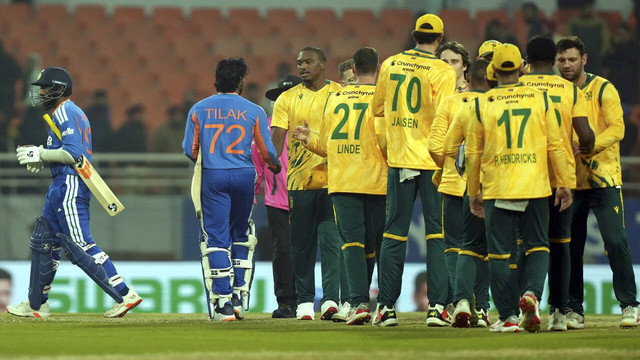
International cricket has witnessed several exciting rivalries, but the contest between India and South Africa holds a special place among cricket fans. Both teams have produced outstanding players, memorable performances and competitive matches across Test cricket, One Day Internationals (ODIs) and Twenty20 Internationals (T20Is). Their contrasting playing styles make every meeting interesting, whether the match takes place on Indian pitches or South African grounds.
The South Africa national cricket team vs India national cricket team stats provide a fascinating picture of how these teams have performed against each other over the years. India have developed a reputation for their batting depth, spin bowling and strong performances at home, while South Africa have traditionally been known for their fast bowling, athletic fielding and aggressive batting approach. These strengths have created a balanced rivalry with different patterns emerging in each format.
As of November 2026, the overall records reflect South Africa’s advantage in Tests and ODIs, while India have established a lead in T20Is. Recent international matches have added another interesting chapter to this competition, including South Africa’s Test series victory in India in 2025 and their victory over India in the 2026 T20 World Cup. Understanding the statistics helps fans explore the history, achievements and changing dynamics of this cricketing rivalry.
Overview of the India vs South Africa Cricket Rivalry
The cricketing relationship between India and South Africa began in November 1991, when the teams played their first ODI at Eden Gardens in Kolkata. The match was particularly significant because it marked South Africa’s return to international cricket after years of sporting isolation. India won that historic encounter by three wickets, establishing the beginning of a rivalry that would grow stronger over the following decades.
Their first Test series took place in 1992–93 in South Africa. The home side won one match, while the remaining three Tests ended in draws. Since then, both teams have experienced successful periods, with their performances depending on conditions, team combinations and individual contributions. South Africa have generally been difficult opponents in their home conditions, where pace and bounce can challenge visiting batters. India, meanwhile, have often used spin-friendly pitches and batting depth to create difficult conditions for visiting teams.
The South Africa national cricket team vs India national cricket team stats also demonstrate how the rivalry has evolved. Earlier contests were heavily influenced by legendary players such as Sachin Tendulkar, Jacques Kallis, Rahul Dravid, Shaun Pollock and Allan Donald. Modern encounters feature players from a different generation, including Virat Kohli, Rohit Sharma, Jasprit Bumrah, Kagiso Rabada and Quinton de Kock.
India vs South Africa Head-to-Head Record in All Formats
Looking at the overall head-to-head record is one of the easiest ways to understand the rivalry. Both teams have achieved significant victories, but their performance differs depending on the format. South Africa hold the advantage in Test and ODI cricket, whereas India lead the T20I statistics.
The following table presents the international head-to-head figures through November 2026. The records include bilateral matches and relevant ICC tournament fixtures.
| Format | Matches | India Won | South Africa Won | Draw/No Result |
|---|---|---|---|---|
| Test | 46 | 16 | 20 | 10 |
| ODI | 97 | 42 | 52 | 3 |
| T20I | 36 | 21 | 14 | 1 |
| Total | 179 | 79 | 86 | 14 |
These figures show that South Africa have secured more victories across the three formats combined. However, the difference is relatively narrow when the results are considered in the context of more than three decades of international cricket. India have also demonstrated considerable improvement in limited-overs cricket, particularly in T20Is.
Test Cricket: India vs South Africa Head-to-Head Stats
Test cricket has always been an important part of this rivalry because it tests a team’s technical ability, patience and adaptability. India and South Africa have played 46 Test matches against each other, with South Africa winning 20, India winning 16 and 10 ending in draws.
South Africa’s record reflects their ability to use home conditions effectively. Fast bowlers have historically played an important role on South African pitches, where pace, movement and bounce can make batting difficult. Indian batters have had to adjust their techniques to handle these conditions, especially during overseas tours. Players such as Virat Kohli, Rahul Dravid and Sachin Tendulkar have produced important performances in challenging circumstances.
India have also enjoyed successful periods in Test cricket, particularly on home soil. Their spin-bowling resources and experienced batting line-ups have helped them control matches on slower surfaces. Historic victories in India have demonstrated how effectively the team can use local conditions to its advantage.
Important Test Cricket Records
Several individual and team performances have become memorable parts of this rivalry. India’s highest Test innings total against South Africa is 643/6 declared, recorded at Eden Gardens in 2010. South Africa’s highest total is 620/4 declared at Centurion in the same year.
Virender Sehwag holds the record for the highest individual Test score in this fixture, having scored 319 runs in Chennai in 2008. His innings demonstrated an attacking approach that changed the momentum of the match. On the bowling side, Ravichandran Ashwin’s impressive performance of 12 wickets for 98 runs in Nagpur in 2015 remains one of India’s outstanding bowling achievements against South Africa.
Another unforgettable moment came in January 2024, when India dismissed South Africa for just 55 runs in Cape Town. The innings highlighted the importance of disciplined bowling and the ability to exploit favourable conditions.
ODI Cricket: A Competitive Battle Between Two Teams
One Day International cricket has produced some of the most entertaining encounters between India and South Africa. Since their first meeting in 1991, the teams have played 97 ODIs. South Africa have won 52 matches, while India have recorded 42 victories. Three matches ended without a result.
The South Africa national cricket team vs India national cricket team stats in ODIs highlight the Proteas’ historical advantage. Their batting line-ups have often been capable of scoring quickly, while their bowling attacks have included several world-class fast bowlers. India, however, have developed a strong record through technically skilled batters and an effective combination of pace and spin.
The 2015 ODI series in India remains one of the notable chapters in this rivalry. South Africa’s powerful batting performance in Mumbai produced a massive total of 438/4 at the Wankhede Stadium. The innings demonstrated the team’s ability to maintain an aggressive scoring rate throughout a 50-over match.
India have also produced memorable ODI performances. Their highest individual score in this fixture is Sachin Tendulkar’s unbeaten 200, scored in Gwalior in February 2010. It was a historic achievement because Tendulkar became the first male cricketer to score a double century in ODI cricket.
Memorable ODI Records and Performances
Virat Kohli has been one of India’s most successful batters against South Africa in the ODI format. His ability to build innings, rotate the strike and accelerate during the final overs has made him an important contributor. Other notable batters include Sachin Tendulkar, AB de Villiers, Quinton de Kock and Rohit Sharma.
South Africa’s highest ODI total against India remains 438/4, achieved in 2015. India’s highest total in the fixture is 401/3, recorded in Gwalior in 2010. These scores demonstrate how both teams have produced exceptional batting performances.
Bowling has also played a significant role in deciding ODI matches. Kuldeep Yadav has developed an impressive record against South Africa, using variations and changes in pace to challenge batters. Experienced South African bowlers have also created difficulties for Indian players through accurate fast bowling and effective use of slower deliveries.
T20I Cricket: India’s Advantage in the Shortest Format
T20 International cricket has added a different dimension to the India-South Africa rivalry. The shorter format encourages aggressive batting, creative bowling and quick decision-making. Since their first T20I meeting in 2006, the teams have played 36 matches. India have won 21, South Africa have won 14 and one match ended without a result.
The South Africa national cricket team vs India national cricket team stats in T20Is show India’s advantage. Indian players have adapted particularly well to the demands of this format through powerful batting, flexible bowling combinations and strong performances during pressure situations.
One of the most memorable T20I performances came in October 2024, when India scored 283/1 against South Africa at Centurion. Sanju Samson and Tilak Varma produced outstanding batting performances, showing how quickly the Indian team could build a massive total. Tilak Varma’s unbeaten 120 off 47 balls was another major individual achievement in the fixture.
South Africa have also delivered impressive performances in this format. Their batting line-up has featured explosive players capable of changing a match within a few overs. David Miller, Quinton de Kock and Heinrich Klaasen have demonstrated their ability to score rapidly against high-quality bowling attacks.
The 2026 T20 World Cup Encounter
The 2026 ICC Men’s T20 World Cup produced another important meeting between these teams. South Africa faced India in the Super Eight stage at Narendra Modi Stadium in Ahmedabad on 22 February 2026.
South Africa scored 187/7 in their allotted 20 overs, with David Miller contributing an important 63 runs from 35 deliveries. India struggled during their chase and were dismissed for 111 in 18.5 overs. South Africa secured a 76-run victory, ending India’s unbeaten run in the tournament.
The result demonstrated South Africa’s ability to perform under pressure in a major international competition. It also showed that historical head-to-head advantages do not guarantee success in individual matches. Team preparation, execution and conditions remain important factors in T20 cricket.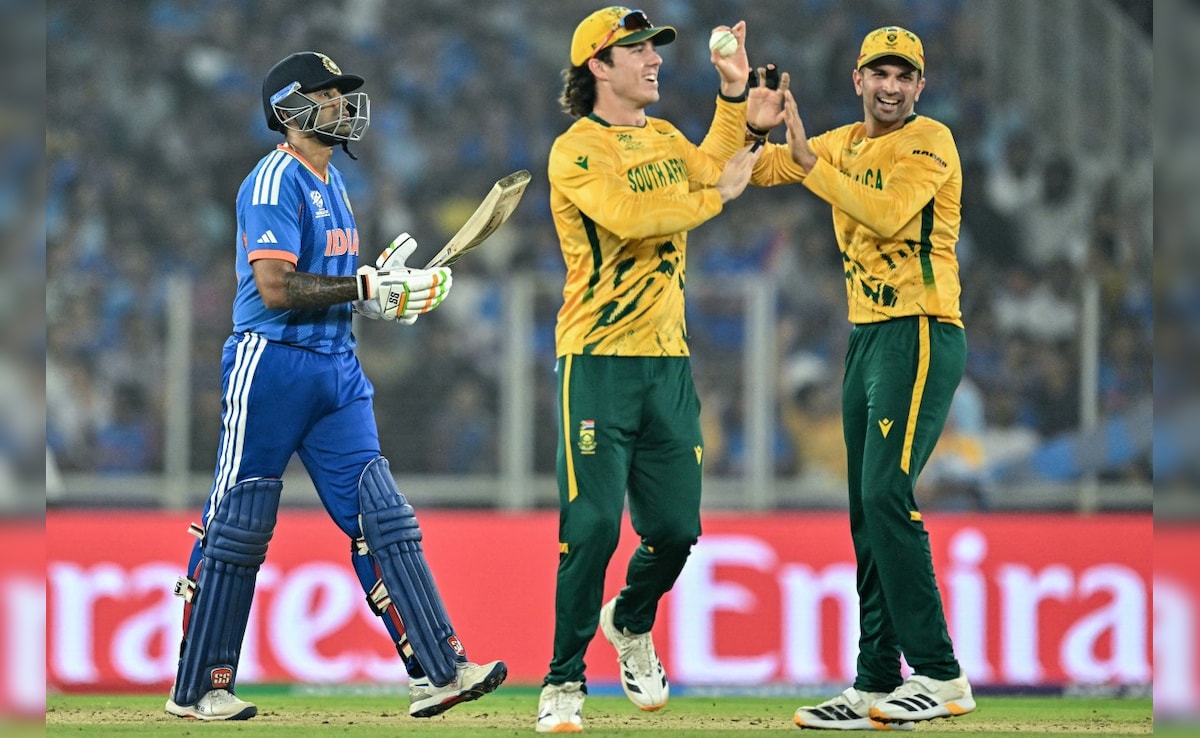
Top Individual Performers in the India vs South Africa Rivalry
Individual performances have played a major role in shaping this international contest. Both countries have produced legendary cricketers who have influenced matches through their batting, bowling and leadership.
Virat Kohli has been particularly influential in ODI cricket, where he has scored 1,806 runs against South Africa according to the available ODI head-to-head records. His consistency against quality bowling attacks has made him one of the most important players in this rivalry. Sachin Tendulkar also holds a special place in the history of these encounters because of his remarkable performances across formats.
For South Africa, AB de Villiers and Jacques Kallis remain important names in the historical record. De Villiers combined aggressive batting with outstanding fielding, while Kallis contributed as both a dependable batter and an effective all-rounder. In the modern generation, Quinton de Kock and David Miller have continued to provide South Africa with match-winning batting performances.
Important Players and Their Contributions
Several players deserve attention when studying the history of this rivalry:
- Virat Kohli: Known for his consistency, particularly in ODI cricket, and his ability to perform in high-pressure situations.
- Sachin Tendulkar: Remembered for his unbeaten 200 in an ODI against South Africa and numerous important Test performances.
- AB de Villiers: Famous for his innovative batting, quick scoring and outstanding fielding.
- Jasprit Bumrah: An important Indian fast bowler known for accuracy, pace variations and effective death bowling.
- Kagiso Rabada: A leading South African fast bowler capable of creating pressure through speed, bounce and disciplined line and length.
These players represent different generations of cricket and demonstrate why this rivalry continues to attract international attention.
Recent India vs South Africa Series Results
Recent series have provided an interesting view of the changing balance between the teams. During South Africa’s 2025–26 tour of India, the visitors won the two-match Test series 2-0. The result was particularly significant because South Africa achieved a Test series victory in India after a long gap.
The ODI series during the same tour produced a different outcome. India won the three-match series 2-1, demonstrating their ability to respond after the Test setbacks. Their batting and bowling combinations were more effective in the limited-overs format, allowing them to secure the series.
In the five-match T20I series, India also finished ahead with a 3-1 series result, with one match producing no result. However, South Africa later defeated India in their February 2026 T20 World Cup meeting. These results highlight how the balance of power can change between formats and competitions.
What Makes This Cricket Rivalry Interesting?
The India-South Africa contest remains competitive because the teams bring different strengths to international cricket. India have traditionally relied on batting depth, spin bowling and the ability to control matches through partnerships. South Africa have often built their success around fast bowling, aggressive batting and athletic fielding.
Playing conditions also influence the results. Indian pitches can provide assistance to spinners, particularly as matches progress in Test cricket. South African grounds generally offer more pace and bounce, creating different challenges for visiting batters. These environmental differences make overseas performances an important part of the rivalry.
Another important factor is the emergence of younger players. Both cricket boards continue to develop new talent through domestic competitions and international opportunities. Young batters, fast bowlers and all-rounders are gradually taking on larger responsibilities. Their performances will influence future results and potentially reshape the head-to-head record.
How Fans Can Understand the Head-to-Head Statistics
Cricket statistics are most useful when they are considered in context. A team’s total number of victories provides a general overview, but it does not explain every aspect of performance. Fans should also examine the format, venue, opposition conditions and importance of the competition.
For example, South Africa’s Test record against India reflects their historical success across different conditions, while India’s T20I record highlights their consistency in the shortest format. ODI statistics offer another perspective, showing how closely matched the teams have been over the years.
It is also useful to study individual performances rather than relying only on team results. A batter’s average, strike rate and consistency can explain their contribution, while a bowler’s economy rate, wicket tally and bowling average help measure effectiveness. Combining these details creates a clearer understanding of the rivalry.
Conclusion
The India-South Africa cricket rivalry has developed into one of the most interesting contests in international cricket. From their historic first ODI in 1991 to the latest international encounters in 2026, both teams have produced memorable performances and important achievements.
The South Africa national cricket team vs India national cricket team stats reveal different patterns across formats. South Africa lead the historical Test and ODI records, while India have a clear advantage in T20Is. Recent results have further strengthened the competitive nature of this rivalry, with South Africa winning the 2025 Test series and India securing the ODI and T20I series during the same tour.
As new players enter both teams and experienced cricketers continue to influence major competitions, future encounters will bring fresh opportunities and records. For cricket enthusiasts, studying these statistics offers a valuable way to understand the history, performance trends and evolving nature of India versus South Africa cricket.