


Introduction
The Indian Premier League has become one of the most followed cricket tournaments in the world, bringing together international stars, talented Indian players and exciting young performers. Every season introduces new combinations, fresh rivalries and memorable performances that keep cricket fans interested from the opening match to the final. The tournament is also an important platform for emerging cricketers who want to establish themselves at the highest level of professional T20 cricket.
IPL 2026 is an important edition for franchises, players and supporters as teams continue to focus on squad balance, match preparation and consistent performances. Fans are interested in everything from team combinations and player availability to fixtures, venues, match results and the points table. Understanding these aspects makes it easier to follow the competition and appreciate the strategies behind every game.
As the tournament progresses through its different stages, attention naturally shifts towards team performances, individual statistics and qualification possibilities. This guide explains the major aspects of the competition, including its format, franchises, players, scheduling considerations and the information fans should follow during the season.
IPL 2026 Season Overview and Major Highlights
The 2026 edition featured ten franchises competing in a 74-match tournament between March 28 and May 31. The competition followed a league-stage structure before moving into the playoffs, giving teams opportunities to recover from difficult starts and improve their standings. The season concluded with Royal Challengers Bengaluru winning the championship after defeating Gujarat Titans in the final.
One of the biggest talking points was RCB’s successful title defence. Defending a championship requires consistency because opponents carefully study previous performances and adjust their strategies. RCB managed to maintain its competitive level throughout the campaign and delivered another important performance when the trophy was at stake. Its achievement also placed the franchise among a small group of teams that have successfully defended an IPL championship.
The season also highlighted the growing importance of young Indian cricketers. Emerging players received opportunities to compete alongside experienced international stars, demonstrating how franchise cricket can support talent development. Individual performances, close finishes and changing points-table positions helped make the competition interesting throughout its duration.
IPL 2026 Winner and Final Match Result
Royal Challengers Bengaluru emerged as champions after defeating Gujarat Titans by five wickets in the final on May 31, 2026, at the Narendra Modi Stadium in Ahmedabad. Gujarat Titans scored 155/8 in their allotted 20 overs, setting RCB a target of 156 runs. Bengaluru successfully chased the target, finishing at 161/5 in 18 overs with two overs remaining.
The final demonstrated the importance of disciplined bowling and controlled batting under pressure. Gujarat Titans were unable to build a sufficiently large total, while RCB made effective use of its batting resources during the chase. Virat Kohli’s unbeaten 75 played a significant role in the victory, providing stability and helping the team complete its championship-winning innings.
For RCB supporters, the result represented another memorable achievement after the franchise had already secured the previous season’s title. Successfully defending the trophy showed that the team could handle the expectations associated with being the reigning champion. For Gujarat Titans, reaching the final remained a significant accomplishment, although the side ultimately finished as runners-up.
Teams Participating in the Tournament
Ten franchises participated in the 2026 competition, representing different cities and regions of India. Each team entered the tournament with its own combination of experienced international cricketers, established Indian performers and emerging domestic talent. The squad-building process was important because teams needed players capable of handling different match conditions and situations.
The participating franchises were Royal Challengers Bengaluru, Chennai Super Kings, Mumbai Indians, Kolkata Knight Riders, Rajasthan Royals, Sunrisers Hyderabad, Delhi Capitals, Punjab Kings, Gujarat Titans and Lucknow Super Giants. Each franchise competed for a place in the top four before the knockout stage.
Participating Teams and Their Home Grounds
| Team | Home city | Home stadium |
|---|---|---|
| Royal Challengers Bengaluru | Bengaluru | M. Chinnaswamy Stadium |
| Chennai Super Kings | Chennai | M. A. Chidambaram Stadium |
| Mumbai Indians | Mumbai | Wankhede Stadium |
| Kolkata Knight Riders | Kolkata | Eden Gardens |
| Rajasthan Royals | Jaipur | Sawai Mansingh Stadium |
| Sunrisers Hyderabad | Hyderabad | Rajiv Gandhi International Stadium |
| Delhi Capitals | Delhi | Arun Jaitley Stadium |
| Punjab Kings | New Chandigarh | Maharaja Yadavindra Singh International Cricket Stadium |
| Gujarat Titans | Ahmedabad | Narendra Modi Stadium |
| Lucknow Super Giants | Lucknow | Bharat Ratna Shri Atal Bihari Vajpayee Ekana Cricket Stadium |
The teams competed at several venues, with some franchises also using alternative home locations during the season. Punjab Kings, for example, had matches scheduled in New Chandigarh and Dharamshala. These arrangements helped distribute the tournament across different cricketing centres.
IPL 2026 Points Table and Team Standings
The points table provides an overview of how each franchise performed during the league stage. Teams receive two points for a victory, while a match ending without a result generally provides one point to each side. Net run rate becomes particularly important when teams finish with equal points because it helps determine their relative positions.
At the end of the league stage, Royal Challengers Bengaluru finished first with 18 points. Gujarat Titans and Sunrisers Hyderabad also collected 18 points, but RCB secured the leading position through a better net run rate. Rajasthan Royals claimed the fourth playoff position with 16 points.
| Position | Team | Matches | Wins | Points |
|---|---|---|---|---|
| 1 | Royal Challengers Bengaluru | 14 | 9 | 18 |
| 2 | Gujarat Titans | 14 | 9 | 18 |
| 3 | Sunrisers Hyderabad | 14 | 9 | 18 |
| 4 | Rajasthan Royals | 14 | 8 | 16 |
| 5 | Punjab Kings | 14 | 7 | 15 |
| 6 | Delhi Capitals | 14 | 7 | 14 |
| 7 | Kolkata Knight Riders | 14 | 6 | 13 |
| 8 | Chennai Super Kings | 14 | 6 | 12 |
| 9 | Mumbai Indians | 14 | 4 | 8 |
| 10 | Lucknow Super Giants | 14 | 4 | 8 |
The standings show how competitive the league stage became. Three teams finished with 18 points, making net run rate an important factor in determining the final positions. Rajasthan Royals secured the last playoff position, while Punjab Kings narrowly missed qualification despite collecting 15 points. Chennai Super Kings, Mumbai Indians and Lucknow Super Giants experienced more difficult campaigns and finished outside the qualifying positions.
For cricket followers, the points table is useful because it explains more than the number of matches won. A team’s net run rate, remaining fixtures and results against other franchises can influence its qualification chances. Although the league stage is now complete, the final standings provide a useful record of how the ten teams performed during the season.
Tournament Format and Match Structure
The competition followed a league-and-playoff format involving ten franchises. Each team played 14 league matches, creating opportunities to face different opponents and collect points over several weeks. The schedule included home and away arrangements, although not every opponent was faced twice under the tournament’s fixture structure.
The league stage was followed by the playoffs, where the four highest-ranked teams competed for the championship. This structure rewards teams that maintain strong performances across the season while also giving successful league-stage sides an additional advantage during the knockout rounds.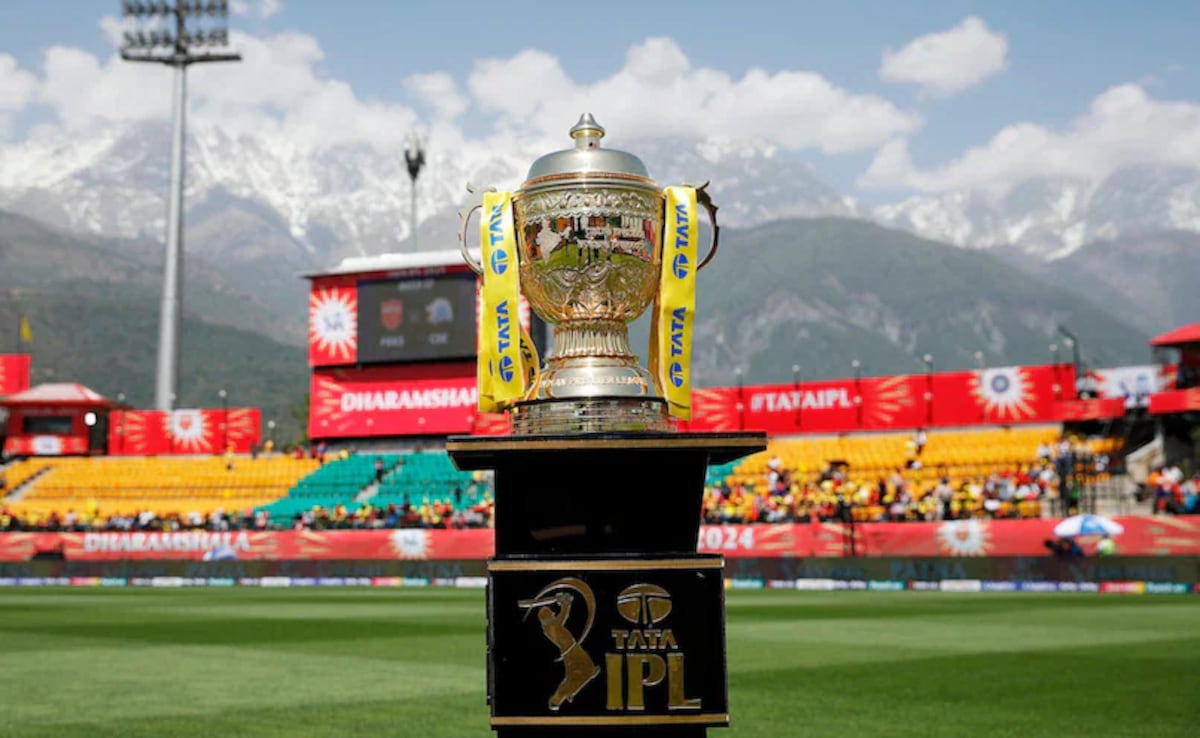
The playoff system included Qualifier 1, the Eliminator, Qualifier 2 and the final. The first and second-ranked teams competed in Qualifier 1, with the winner advancing directly to the final. The losing team received another opportunity through Qualifier 2. Meanwhile, the third- and fourth-ranked teams contested the Eliminator, where the losing franchise was eliminated.
This arrangement makes the closing stage particularly interesting because teams must perform under greater pressure. A strong league campaign provides a useful foundation, but the final championship still depends on performances in decisive matches.
IPL 2026 Schedule and Match Venues
The tournament began on March 28 and concluded on May 31, 2026. The schedule covered multiple Indian cities, allowing supporters from different regions to watch their favourite franchises at home venues. Matches were arranged throughout the season, including weekend double-headers that provided additional opportunities for fans to follow the action.
The Board of Control for Cricket in India announced the second phase of the schedule on March 26. This phase included 50 league matches between April 13 and May 24 across 12 venues. The schedule included Bengaluru, Mumbai, Chennai, Kolkata, Delhi, Ahmedabad, Hyderabad, Lucknow, Jaipur, Dharamshala, Raipur and New Chandigarh.
Importance of Different Cricket Venues
Every cricket ground presents different challenges for players. Some venues are traditionally associated with high-scoring matches, while others can offer assistance to bowlers depending on the surface and weather conditions. Ground dimensions, pitch preparation and local conditions can influence team selection and match strategies.
For example, teams playing in Ahmedabad may experience different pitch and boundary conditions from those encountered in Chennai. Similarly, weather and humidity can influence how players prepare for matches in coastal cities. Captains and coaching staff therefore study venue conditions before deciding on their playing combinations.
The distribution of matches across different locations also gives supporters an opportunity to experience the tournament atmosphere in their own cities. Stadium attendance, local rivalries and enthusiastic crowds contribute significantly to the identity of the competition.
Star Players and Emerging Cricketing Talents
Individual performances are among the most discussed aspects of every IPL season. Experienced players bring leadership, technical knowledge and the ability to handle difficult situations. Younger cricketers, meanwhile, often introduce fresh energy and unexpected match-winning performances.
The 2026 season featured several notable performances from established players and emerging talents. Virat Kohli’s unbeaten innings in the final was an important example of experience making a difference during a championship chase. His ability to manage the required run rate while remaining at the crease demonstrated the value of composure in high-pressure situations.
Young Indian batter Vaibhav Sooryavanshi also attracted considerable attention during the season. He finished with 776 runs and was recognised with the Orange Cap and the Most Valuable Player award, according to the season’s published statistics. Kagiso Rabada claimed the Purple Cap after taking 29 wickets.
These achievements demonstrate the different ways players can influence a tournament. A batter who scores consistently can provide stability at the top of the order, while an effective bowler can change a match through important breakthroughs. All-rounders also play valuable roles because they provide additional options with both bat and ball.
Orange Cap and Purple Cap Awards
The Orange Cap and Purple Cap are two of the most recognised individual awards in the competition. They celebrate the leading run-scorer and wicket-taker respectively. These awards attract attention because they highlight players who have delivered outstanding performances over the course of a season.
The Orange Cap is awarded to the batter who finishes with the highest number of runs. Consistency is important because a player needs to perform across multiple matches rather than depend on a single outstanding innings. Strike rate, average and the ability to perform against different bowling attacks also help explain the value of a batter’s contribution.
The Purple Cap recognises the bowler who takes the most wickets during the tournament. Fast bowlers, spinners and all-rounders can compete for this achievement. Taking wickets during the powerplay, controlling the middle overs and delivering accurate yorkers at the end of an innings are important skills for successful T20 bowling.
In 2026, Vaibhav Sooryavanshi and Kagiso Rabada received these respective honours. Their achievements provided a clear example of the importance of individual excellence within a team-based competition.
What Makes T20 Cricket So Exciting?
T20 cricket is designed to deliver fast-paced entertainment within a relatively short playing period. Unlike longer formats, teams have only 20 overs to build an innings, which encourages attacking batting and innovative bowling strategies. Every over can change the direction of a match, making the format attractive to both experienced cricket followers and new audiences.
Batters often use a wide range of shots to score quickly, including sweeps, ramps, lofted drives and powerful shots over the boundary. Bowlers respond with slower deliveries, variations in length, yorkers and changes of pace. Captains must constantly adjust their field placements according to the batter, match situation and number of overs remaining.
Another important feature is the role of partnerships. Even when one batter scores quickly, a stable partnership can prevent unnecessary wickets and keep the innings under control. Similarly, bowling partnerships help teams build pressure by restricting runs from both ends.
The excitement also comes from the uncertainty of T20 matches. A team that appears to be in a comfortable position can lose momentum after a few quick wickets. On the other hand, a lower-ranked side can surprise its opponent through disciplined bowling and an effective batting performance. These changing situations make the competition entertaining throughout the season.
How Fans Can Follow Match Results and Season Statistics
Cricket fans follow the tournament through several types of information, including live scores, scorecards, team standings and individual player statistics. A detailed scorecard helps supporters understand how a match developed, which batters contributed the most runs and which bowlers made important breakthroughs. It also provides information about extras, partnerships, overs and the final result.
For people who cannot watch matches live, score updates and match summaries provide a convenient way to stay informed. Post-match analysis is equally useful because it explains important decisions, such as bowling changes, batting-order adjustments and captaincy strategies. These details help viewers understand why a team succeeded or struggled.
During the season, the most useful information to follow includes:
-
Match results and complete scorecards.
-
Updated team standings and net run rates.
-
Leading run-scorers and wicket-takers.
-
Player performances, injuries and availability.
Following these details gives supporters a broader understanding of the competition instead of focusing only on the final scores.
Ticket Booking and Stadium Experience
Watching a cricket match inside a stadium is a different experience from following it on television. The excitement of a live crowd, the atmosphere during important overs and the celebration after a boundary or wicket make stadium attendance memorable. Many supporters plan their visits around important fixtures, especially matches involving their favourite franchises and popular players.
Ticket availability generally depends on the stadium, match popularity, seating category and demand. High-profile fixtures and knockout matches can attract significant interest, so fans should pay attention to official ticket announcements and authorised booking arrangements. Before travelling, it is also sensible to check the match date, venue, entry requirements and stadium regulations.
The stadium experience involves more than watching cricket. Supporters can enjoy the excitement of team colours, fan celebrations and the shared atmosphere created by thousands of spectators. Families, groups of friends and dedicated supporters all contribute to the energy of a matchday. Planning transportation and arriving early can make the experience more comfortable.
How Franchise Cricket Supports Young Indian Players
One of the important contributions of the Indian Premier League is the exposure it provides to young domestic cricketers. Players who previously competed mainly in state-level tournaments can receive opportunities to share dressing rooms with international stars. This environment allows them to learn about preparation, fitness, tactical planning and handling pressure.
Young players also benefit from competing against experienced bowlers and batters. Facing different styles of bowling helps develop technical skills, while working with established coaches can improve their understanding of match situations. These experiences can support long-term development and prepare emerging cricketers for other professional opportunities.
The success of a young player can also encourage more aspiring cricketers to take the sport seriously. Strong performances demonstrate that talent, hard work and consistency can create opportunities in professional cricket. However, development takes time, and one successful tournament should be viewed as a foundation rather than a guarantee of future achievements.
Conclusion
The 2026 season delivered another memorable chapter in Indian franchise cricket. With ten teams competing across 74 matches, the tournament provided exciting contests, impressive individual performances and an entertaining championship race. Royal Challengers Bengaluru ultimately secured the trophy by defeating Gujarat Titans by five wickets in the final, successfully defending its previous championship.
The season also highlighted the importance of experienced players, emerging domestic talent, effective team combinations and consistent performances. Vaibhav Sooryavanshi’s batting achievements and Kagiso Rabada’s bowling performances were among the notable individual highlights, while RCB’s championship victory became the defining team achievement.