


Introduction
The Indian Premier League has become one of the most popular cricket tournaments in the world, bringing together international stars, talented Indian players and millions of passionate supporters. Its exciting combination of fast-paced T20 cricket, competitive teams, dramatic finishes and entertainment makes every season an important event in the sporting calendar. For cricket lovers, the tournament offers more than just matches; it creates memorable sporting moments and gives emerging players opportunities to perform on a major stage.
As the cricket landscape continues to evolve in 2026, supporters are interested in team performances, player selections, match results, emerging talents and changes in tournament strategies. The popularity of the IPL also reflects the growing influence of franchise cricket, where teams combine experienced international players with promising domestic cricketers. From powerful batting performances to intelligent bowling plans, every match provides something new for viewers to follow.
Understanding the tournament’s structure, participating franchises, player responsibilities and broader influence helps fans appreciate why it attracts such significant attention. Whether someone follows every match or watches only important fixtures, knowing how the competition works makes the overall experience more enjoyable.
Understanding the Indian Premier League in 2026
The tournament follows the Twenty20 format, in which each team receives a maximum of 20 overs to score runs. This shorter format creates an environment where players must make quick decisions and balance attacking cricket with sensible risk management. Batters aim to build partnerships, accelerate scoring during important overs and finish innings strongly. Bowlers, meanwhile, use variations in pace, line, length and spin to restrict scoring opportunities.
The 2026 competition featured 10 franchises and 74 matches, including league-stage fixtures and the playoffs. Each team competed for a place among the leading four sides before entering the knockout stage. This structure keeps the competition interesting because a team’s performance throughout the league stage directly influences its opportunities in the final rounds.
IPL 2026 Winner and Major Tournament Highlights
The 2026 season concluded with Royal Challengers Bengaluru defeating Gujarat Titans by five wickets in the final on May 31 at the Narendra Modi Stadium in Ahmedabad. RCB successfully defended its championship, achieving an important milestone in franchise history. Gujarat Titans posted 155/8, while Bengaluru reached the target with five wickets remaining. The result highlighted the importance of handling pressure during a high-stakes final.
Individual performances also played an important role throughout the competition. Young Indian batter Vaibhav Sooryavanshi emerged as one of the biggest attractions of the season, finishing with 776 runs and receiving the Man of the Series recognition. His aggressive approach demonstrated how emerging players can influence matches against experienced international opponents. Kagiso Rabada also produced an impressive bowling campaign, finishing with 29 wickets and securing the Purple Cap according to the season statistics.
These performances demonstrate the balance between established international experience and young domestic talent. While experienced cricketers often provide leadership during difficult situations, younger players bring fresh energy and innovative approaches. This combination continues to make franchise cricket competitive and unpredictable.
Participating Teams and Their Playing Strategies
The 2026 competition featured ten franchises representing different cities and cricketing communities. Each team entered the tournament with its own combination of players, coaching staff, leadership arrangements and tactical priorities. Although the objective remained the same, the strategies used to achieve success differed according to squad composition and individual strengths.
The participating teams were Royal Challengers Bengaluru, Chennai Super Kings, Mumbai Indians, Kolkata Knight Riders, Rajasthan Royals, Sunrisers Hyderabad, Delhi Capitals, Punjab Kings, Gujarat Titans and Lucknow Super Giants. These franchises attracted supporters through their individual identities, previous performances and memorable players.
Some teams preferred aggressive batting from the opening overs, while others focused on building partnerships before accelerating during the middle and final overs. Bowling combinations also differed. Certain franchises relied heavily on fast bowlers, whereas others used spin options to control the scoring rate.
The following table provides a simple overview of the ten participating franchises and their home associations.
| Team | Short Name | Home Association |
|---|---|---|
| Royal Challengers Bengaluru | RCB | Bengaluru |
| Chennai Super Kings | CSK | Chennai |
| Mumbai Indians | MI | Mumbai |
| Kolkata Knight Riders | KKR | Kolkata |
| Rajasthan Royals | RR | Jaipur |
| Sunrisers Hyderabad | SRH | Hyderabad |
| Delhi Capitals | DC | Delhi |
| Punjab Kings | PBKS | Punjab |
| Gujarat Titans | GT | Ahmedabad |
| Lucknow Super Giants | LSG | Lucknow |
Team combinations can change between seasons because of player auctions, trades, injuries and squad-management decisions. Consequently, supporters should consider current team selections rather than assuming that previous-season combinations remain unchanged.
Why Team Balance Matters in T20 Cricket
A successful T20 squad requires more than a collection of famous batters. Teams need dependable opening players, middle-order stability, powerful finishers, effective fast bowlers, quality spinners and reliable fielders. Every role contributes to the overall performance, and a weakness in one department can become noticeable during closely contested matches.
For example, a team might have excellent batting strength but struggle to defend totals because its bowling attack lacks control during the final overs. Another side might possess several talented bowlers but fail to score enough runs consistently. Coaches therefore examine different match situations when selecting playing combinations.
All-rounders are especially valuable because they provide flexibility. A player capable of contributing with both bat and ball allows the captain to adjust strategies without making too many changes to the lineup. This versatility becomes particularly useful when conditions change or an important player is unavailable.
The Importance of Players in Tournament Success
Individual performances can influence the direction of an entire season. A batter who consistently scores during the powerplay can provide a strong foundation, while a middle-order player can stabilise an innings after early wickets. Similarly, a bowler who takes important wickets at crucial moments can change the momentum of a match.
In modern T20 cricket, players are expected to perform multiple responsibilities. Batters must understand field placements and identify scoring opportunities, while bowlers need to adjust their deliveries according to the batter’s approach. Fielders also contribute significantly because saving a few runs or taking a difficult catch can influence the final result.
Young Indian cricketers receive considerable attention because the tournament provides opportunities to compete alongside experienced professionals. Playing in demanding situations helps them develop confidence, learn new techniques and understand the mental requirements of professional cricket.
How the Tournament Format Works
The league stage provides teams with opportunities to collect points through match victories. A win normally earns two points, while a match without a result awards one point to each side. Teams are arranged in the points table according to their results, with net run rate serving as an important factor when sides finish level on points.
The top four teams progress to the playoffs. The competition then follows a format that gives the highest-ranked sides an additional opportunity to reach the final. This system rewards consistency during the league stage while maintaining excitement in the knockout matches.
The basic playoff structure is as follows:
-
Qualifier 1: The first and second-placed teams compete for a direct place in the final.
-
Eliminator: The third and fourth-placed teams play, with the losing side eliminated.
-
Qualifier 2: The losing team from Qualifier 1 faces the Eliminator winner.
-
Final: The two remaining teams compete for the championship.
This arrangement makes every league-stage match meaningful because a better position can provide an important advantage during the playoffs.
The Role of Batting and Bowling in Modern Cricket
Batting and bowling have become increasingly competitive in the modern T20 format. Batters are constantly developing new techniques to score quickly, including innovative shots, powerful hitting and clever placement. They also need to understand when to attack and when to protect their wickets. An aggressive approach can produce a high total, but unnecessary risks may lead to the loss of important wickets.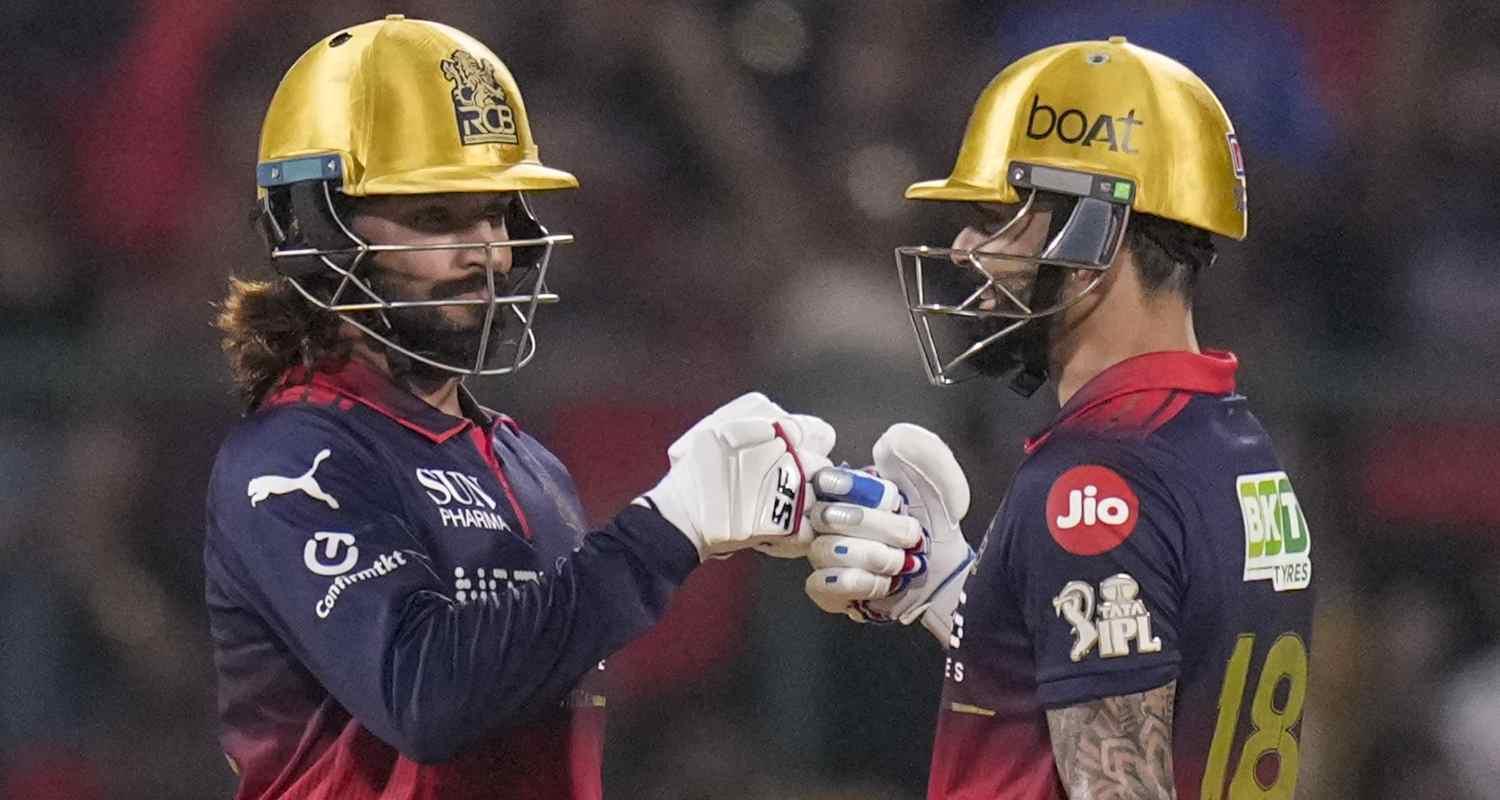
Bowling requires equal levels of planning and execution. Fast bowlers use variations such as slower deliveries, yorkers, bouncers and cutters to challenge batters. Spinners attempt to create uncertainty through changes in flight, speed and turn. The ability to adjust according to pitch conditions and match situations often separates effective bowlers from inconsistent performers.
Death bowling is another important aspect of T20 cricket. The final overs can determine whether a team successfully defends its total or allows the opposition to reach the target. Bowlers must maintain accuracy while dealing with aggressive batting. Captains also need to make careful decisions about field placements and bowling changes during these crucial moments.
Technology and Digital Platforms Have Changed Cricket Viewing
Technology has transformed how supporters follow professional cricket. In earlier years, television was the primary way to watch matches, but digital platforms have made cricket coverage more accessible. Fans can now follow live scores, match summaries, player statistics and important developments through smartphones, computers and television applications.
Modern broadcasts also provide detailed analysis through graphical presentations, slow-motion replays, wagon wheels, pitch maps and other statistical features. These tools help viewers understand why particular decisions are made and how individual players contribute to the result.
Digital engagement has also encouraged supporters to participate in cricket discussions through social media. Fans share opinions, celebrate achievements and discuss important match moments. This interaction creates a larger sporting community that remains active even after the final ball has been bowled.
The growing digital presence of the IPL has therefore expanded its audience beyond traditional television viewers. People can follow developments during travel, work breaks or other daily activities, making the tournament easier to access.
Economic and Entertainment Impact of the Tournament
The competition has developed into an important part of India’s sports and entertainment industry. Its influence extends beyond cricket grounds because it creates opportunities for broadcasters, advertisers, sponsors, hospitality businesses, event organisers and other service providers.
Stadium matches attract visitors who spend money on accommodation, transportation, restaurants and local businesses. Cities hosting important fixtures can experience increased commercial activity, particularly during the playoffs and other major events. Cricket-related merchandise, advertising campaigns and sponsorship agreements also contribute to the wider business environment.
The tournament creates professional opportunities for players, coaches, analysts, commentators, support staff and event-management professionals. Domestic players can gain visibility through their performances, potentially improving their opportunities in other cricket competitions.
Entertainment is another important part of its popularity. Team identities, regional support, stadium celebrations and exciting match finishes make the experience appealing to audiences with different interests. However, the sporting competition remains central to its long-term identity.
What Makes Matches Exciting for Cricket Fans?
Several factors contribute to the popularity of short-format cricket. Close finishes, unexpected partnerships, spectacular catches and impressive bowling performances can change a match within a few overs. Unlike longer formats, T20 cricket requires teams to make quick decisions, which creates constant movement in the game.
Supporters also enjoy individual rivalries and tactical battles between players. For example, an experienced fast bowler facing an aggressive young batter can create an interesting contest. Similarly, a spinner attempting to control a powerful middle-order batter provides another dimension to the match.
Team loyalty is equally important. Many fans support a franchise because of its city, players, history or family traditions. These emotional connections encourage people to follow matches throughout the season and celebrate achievements together.
For new viewers, following a few basic elements can make matches easier to understand:
-
Powerplay performance: Observe how teams use the first six overs to establish their scoring rate.
-
Middle-over control: Notice how batters and bowlers manage pressure between the powerplay and final overs.
-
Death-over execution: Watch how teams approach the final overs with the bat and ball.
-
Fielding contributions: Pay attention to catches, run-outs and runs saved through effective fielding.
What Fans Should Follow After the 2026 Season
With the 2026 championship completed, cricket supporters can now look beyond the final result and consider how teams may prepare for the next edition. Squad planning, player availability, coaching decisions and domestic cricket performances will all remain important subjects of discussion.
Franchises regularly evaluate their strengths and weaknesses after a season. Management teams may review batting consistency, bowling effectiveness, injury concerns and the performance of younger players. These assessments help them identify areas that require improvement before the next competition.
Supporters should also follow developments involving player fitness, international cricket commitments and future squad decisions. Such factors can influence team combinations and preparations. However, future selections and tournament arrangements should be considered confirmed only when officially announced.
The 2026 season has provided several interesting talking points, particularly RCB’s successful title defence and the outstanding performances of emerging players. These developments demonstrate how quickly the competitive landscape can evolve.
Frequently Asked Questions
What Is the IPL?
It is a professional Twenty20 franchise cricket competition organised in India. The tournament brings together domestic and international cricketers who represent different city-based teams. It is known for competitive matches, talented players and large audiences.
Who Won the 2026 Tournament?
Royal Challengers Bengaluru won the 2026 championship by defeating Gujarat Titans by five wickets in the final on May 31, 2026. RCB successfully defended its previous title.
How Many Teams Participated in 2026?
Ten franchises participated in the 2026 season. These included Chennai Super Kings, Mumbai Indians, Royal Challengers Bengaluru, Kolkata Knight Riders, Rajasthan Royals, Punjab Kings, Gujarat Titans, Delhi Capitals, Sunrisers Hyderabad and Lucknow Super Giants.
What Is the Format of the Competition?
The tournament follows the T20 format, with each team receiving a maximum of 20 overs per innings. The league stage determines the standings, and the top four teams qualify for the playoffs.
What Is the Orange Cap?
The Orange Cap is an individual recognition awarded to the leading run-scorer during a season. It highlights batting performances and rewards players who consistently contribute runs throughout the competition.
What Is the Purple Cap?
The Purple Cap recognises the leading wicket-taker of a season. It highlights the contributions of bowlers who regularly take wickets and help their teams control matches.
Conclusion
The Indian Premier League continues to play an important role in the development and popularity of modern cricket. Its combination of competitive T20 matches, international participation, emerging domestic talent and entertainment has created a sporting event that attracts attention from audiences across the world. The 2026 season added another memorable chapter, with Royal Challengers Bengaluru defending its championship and several individual players producing outstanding performances.
For cricket enthusiasts, understanding team strategies, player contributions, tournament rules and match situations makes following the competition more interesting. The growing influence of technology has also made cricket information easier to access, allowing supporters to remain connected with the sport throughout the year.