


Introduction
One-day international cricket continues to deliver a compelling combination of patience, attacking batting, tactical bowling and pressure-filled finishes. Among the most interesting contests in international cricket is india vs new zealand odi, a rivalry that has produced memorable performances, competitive series and important encounters in major tournaments. Both teams have developed distinct playing styles, making their meetings exciting for cricket followers who appreciate technical skill and strategic decision-making.
India are traditionally known for their strong batting line-ups, experienced middle order and ability to perform in familiar home conditions. New Zealand, meanwhile, have built a reputation for disciplined bowling, adaptable batting and effective teamwork under pressure. Although individual performances often attract the most attention, matches between these sides frequently demonstrate how partnerships, fielding standards and captaincy decisions can influence the final result. Their contests are therefore worth examining beyond the scoreboard.
The latest major bilateral ODI series between the teams took place in India in January 2026. India won the opening match, but New Zealand recovered to win the remaining two games and secure a 2–1 series victory. The result was historically significant because New Zealand achieved their first-ever men’s ODI series win on Indian soil. This outcome provided an important reminder that home advantage does not guarantee success and that preparation, adaptability and execution remain essential in modern cricket.
India vs New Zealand ODI: Latest Series Results and Performance
The January 2026 series offered three closely watched matches with different tactical challenges. India began positively in Vadodara, where they chased New Zealand’s total of 300 for eight, finishing at 306 for six in 49 overs to win by four wickets. The result reflected India’s ability to manage a substantial chase while keeping enough batting resources available for the closing overs.
New Zealand responded strongly in Rajkot, winning the second match by seven wickets. India scored 284 for seven, but the visitors reached 286 for three in 47.3 overs. Their controlled chase demonstrated the value of building partnerships and maintaining a manageable required run rate rather than relying exclusively on late acceleration. The victory also shifted the series momentum, placing pressure on India ahead of the deciding encounter.
The third ODI in Indore produced another high-scoring contest. New Zealand made 337 for eight, powered by major contributions from Daryl Mitchell and Glenn Phillips. India fought back through Virat Kohli, who scored 124, but the hosts were dismissed for 296 in 46 overs. New Zealand secured a 41-run victory and completed the series comeback. The three results highlighted how quickly a bilateral contest can change when a team finds the right balance between aggressive batting and disciplined execution.
January 2026 Series Scorecard
| Match | New Zealand | India | Result |
|---|---|---|---|
| First ODI, Vadodara | 300/8 | 306/6 | India won by 4 wickets |
| Second ODI, Rajkot | 286/3 | 284/7 | New Zealand won by 7 wickets |
| Third ODI, Indore | 337/8 | 296 all out | New Zealand won by 41 runs |
These results remain a useful reference point when analysing the teams’ recent ODI performances. India demonstrated their chasing ability in the opening match, while New Zealand showed greater consistency across the final two games. For supporters following india vs new zealand odi, the series also illustrated why evaluating a team’s performance requires looking at its approach throughout an entire contest rather than focusing on one impressive innings.
Head-to-Head Record and Historical Rivalry
India and New Zealand have faced each other in men’s ODI cricket for decades, creating a substantial record of bilateral series and tournament encounters. Historically, India have won more matches overall, but New Zealand have repeatedly challenged them in important situations. The rivalry includes matches decided by narrow margins, substantial batting totals and impressive individual performances, giving both teams reasons to approach every meeting with confidence and caution.
Available historical records following the January 2026 series show India with 63 ODI victories and New Zealand with 52. One match ended in a tie, while seven produced no result. These figures cover 123 completed matches in the historical record and illustrate India’s overall advantage without suggesting that future contests will necessarily follow the same pattern. Results are influenced by venue, team selection, playing conditions and the form of individual cricketers.
Another important feature of this rivalry is the difference between bilateral matches and major tournament encounters. World Cup games often involve greater pressure because a single defeat can affect qualification or eliminate a team. The 2019 World Cup semi-final, for example, remains a memorable contest in which New Zealand defeated India. Such encounters have strengthened the competitive nature of the rivalry and demonstrated that historical head-to-head statistics cannot fully explain the outcome of a particular match.
India’s ODI Team: Batting Strength and Tactical Approach
India’s batting tradition has been one of the defining characteristics of their ODI cricket. The team has frequently relied on technically accomplished top-order players to establish a strong foundation before the middle order increases the scoring rate. This structure is particularly useful in a 50-over match because it allows a side to recover from early wickets while preserving enough resources to attack during the final ten overs.
Experienced batters can also help India manage difficult situations. Virat Kohli’s century in the third ODI at Indore demonstrated his ability to construct an innings even when the opposition has established control. His approach combines calculated risk, strike rotation and the ability to punish loose deliveries. Similar qualities are valuable when India face disciplined bowling attacks that attempt to restrict boundaries and create pressure through consecutive dot balls.
India’s middle order and finishing options are equally important. A team may begin strongly but still struggle to reach a competitive total if it loses several wickets during the middle overs. Effective partnerships between established batters and players capable of accelerating late in the innings can prevent this problem. The ability to adapt to different situations, rather than following an inflexible scoring plan, is essential for a successful ODI batting unit.
The Importance of Building Partnerships
Partnerships provide stability when the opening overs do not go according to plan. If India lose an early wicket, the next batter must judge whether to attack immediately or spend time rebuilding the innings. A sensible approach can prevent a minor setback from turning into a major collapse. Once the partnership becomes established, both batters can increase their scoring through singles, twos and well-selected boundary opportunities.
India must also maintain flexibility against spin and pace. On slower pitches, rotating the strike becomes especially important because boundaries may be harder to find. On quicker surfaces, batters can use the pace of the ball and exploit gaps in the field. This ability to adjust is a major factor in india vs new zealand odi encounters, where the conditions can influence the balance between attacking cricket and controlled accumulation.
New Zealand’s ODI Team: Discipline and Adaptability
New Zealand have often competed effectively against stronger batting line-ups by combining disciplined bowling with intelligent batting. Rather than depending entirely on individual brilliance, the team frequently benefits from contributions across several positions. This collective approach becomes particularly valuable when playing away from home, where the opposition may be more familiar with local pitches, weather patterns and ground dimensions.
The January 2026 series provided a clear example of New Zealand’s ability to adapt. After losing the opening match, they responded with a controlled chase in Rajkot and an imposing batting performance in Indore. Daryl Mitchell was especially influential, scoring 137 in the third ODI after also registering a century in the second match. Glenn Phillips added 106 in the deciding game, helping New Zealand establish a total that India could not reach.
Their success also demonstrated the value of maintaining composure after an early setback. A team that loses the first match of a series can become overly cautious or attempt to force results too quickly. New Zealand instead produced a measured response, using partnerships to rebuild innings and capitalising when scoring opportunities appeared. This balance between patience and aggression helped them secure the series.
Bowling Plans and Fielding Standards
New Zealand’s bowling approach often emphasises control, movement and the creation of wicket-taking opportunities through pressure. Fast bowlers can use variations in length and pace to challenge batters, while spinners may target players who struggle to rotate the strike against slower deliveries. The most effective strategy depends on the pitch and the stage of the innings, making communication between the captain and bowlers especially important.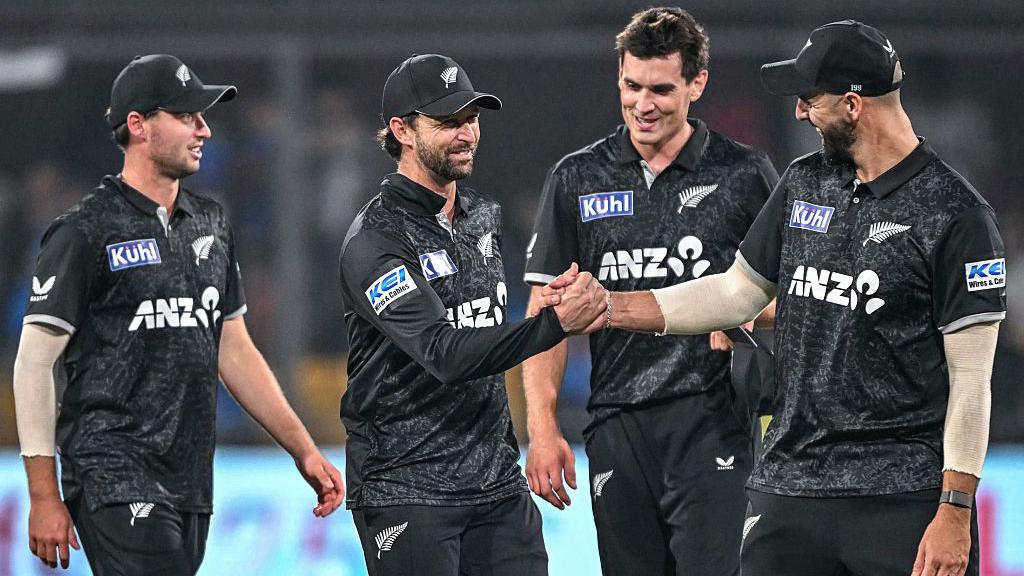
Fielding is another area that can influence close ODI matches. A dropped catch may allow a set batter to add another 30 or 40 runs, while a direct hit or a well-executed run-out can change the momentum immediately. New Zealand’s series win in India showed how collective execution can matter as much as a team’s reputation or previous record.
Key Players Who Can Influence Future Matches
Individual performances remain an important part of any match preview, but player analysis should account for current availability, fitness, selection and recent form. A player who performed well in an earlier series may not necessarily feature in the next playing XI. Nevertheless, the January 2026 ODI series provides several useful examples of the skills that can shape future contests.
Virat Kohli remains an important reference point for India’s ODI batting because of his experience in long innings and high-pressure chases. His 124 in Indore demonstrated how one batter can continue scoring even when wickets fall around him. Daryl Mitchell’s consecutive centuries in the second and third matches showed New Zealand’s ability to rely on a middle-order batter who can combine patience with powerful stroke play. Glenn Phillips also demonstrated the importance of acceleration, contributing a century that helped push New Zealand beyond 330.
For India, Shubman Gill’s contribution at the top of the order, KL Rahul’s role in the middle order and the performance of the bowling unit can influence the team’s overall balance when selected. New Zealand’s success may depend on contributions from experienced batters, reliable seamers and versatile all-rounders. Rather than judging either side by one star player, observers should consider how well the selected eleven complements one another.
The following factors are particularly important when evaluating the likely impact of players in an upcoming ODI:
- Recent performances against international-quality bowling attacks.
- Fitness, availability and the confirmed playing combination.
- Ability to perform under pressure during the final overs.
- Effectiveness against the opposition’s main bowling strengths.
These considerations offer a more useful framework than relying solely on a player’s reputation or career statistics.
Pitch Conditions, Weather and Toss Strategy
Playing conditions can substantially influence the outcome of an ODI. Indian pitches often provide opportunities for stroke play, although the amount of pace, bounce and turn differs between venues. Some surfaces allow batters to play freely once they settle, while others reward bowlers who maintain accurate lines and vary their lengths. Understanding these differences is essential when planning a batting order and selecting the right combination of fast bowlers and spinners.
Weather can also affect the tactical picture. Humidity, cloud cover and the possibility of rain may influence the way teams assess conditions before the toss. In some circumstances, seam bowlers can benefit from movement with the new ball. At other times, a dry surface may make spin more influential as the innings progresses. Dew can affect grip for bowlers during evening matches, potentially making defending a total more difficult.
The toss should therefore be viewed as one factor among several rather than a guarantee of success. Captains must consider the venue’s characteristics, expected weather, available bowling resources and the strength of their batting line-up. A team with a powerful chasing unit may prefer to know its target, while another may feel more comfortable setting a total and applying scoreboard pressure.
How India and New Zealand Can Approach the ODI Format
A successful ODI strategy requires different plans for the opening, middle and closing stages of an innings. During the first ten overs, batters must balance scoring opportunities with the risk of losing wickets against the new ball. An early boundary can create momentum, but reckless shots may leave the middle order under pressure before the innings has developed.
The middle overs require careful management. Batters need to keep the scoreboard moving against spin and pace while identifying the right moments to attack. Partnerships become increasingly valuable during this phase because a stable platform allows the team to accelerate later. Bowlers, meanwhile, must prevent easy singles and use field placements that encourage batters to take calculated risks. Small tactical decisions during these overs can have a major effect on the final score.
The last ten overs usually demand greater aggression from the batting side. Teams need to maximise boundary opportunities while ensuring that enough wickets remain available. Bowling sides must respond with accurate yorkers, slower deliveries, changes of length and disciplined fielding. A total of 300 may be competitive at one venue but relatively modest at another, depending on the pitch and weather. The target must always be judged in context.
In india vs new zealand odi contests, these phases often reveal the contrast between the teams’ strengths. India can use their batting depth and experience to build competitive totals, while New Zealand can apply pressure through bowling discipline and organised fielding. The team that adapts most effectively to the conditions and makes fewer mistakes often gives itself the best opportunity to win.
What Cricket Fans Should Watch in Upcoming Encounters
Fans following future matches should pay attention to more than the headline score. The opening partnership can indicate how comfortably a team is handling the new ball, while the run rate during the middle overs shows whether the batting side is building enough momentum. Wickets in clusters may reveal weaknesses in the batting order, whereas steady partnerships can demonstrate effective game management.
Bowling changes also deserve attention. A captain who introduces a spinner at the right time or brings back a fast bowler to break a partnership may create an important turning point. Similarly, the choice to protect a boundary or attack with close fielders can reveal how the captain assesses the batter’s strengths. These tactical details make ODI cricket engaging because the contest evolves continuously rather than depending on one decisive moment alone.
Team announcements are equally significant. Injuries, workload management and changes in form can alter the balance of a playing eleven. All-rounders may provide additional flexibility, while a specialist bowler can offer greater control in a particular phase of the innings. Before assessing an upcoming fixture, supporters should distinguish confirmed squad information from speculation and avoid assuming that players from the previous series will automatically retain their places.
Conclusion
The rivalry between India and New Zealand remains an important feature of international one-day cricket because it brings together different styles, experienced performers and contrasting tactical approaches. India’s batting depth and familiarity with home conditions can make them difficult opponents, while New Zealand’s discipline, adaptability and collective performances have repeatedly demonstrated their ability to compete at the highest level.
The January 2026 series added another significant chapter to this history. India won the first ODI, but New Zealand recovered to win the next two and claim their first men’s ODI series victory in India. Performances from Virat Kohli, Daryl Mitchell and Glenn Phillips highlighted the value of individual excellence, while the overall result demonstrated the importance of consistency across an entire series.