
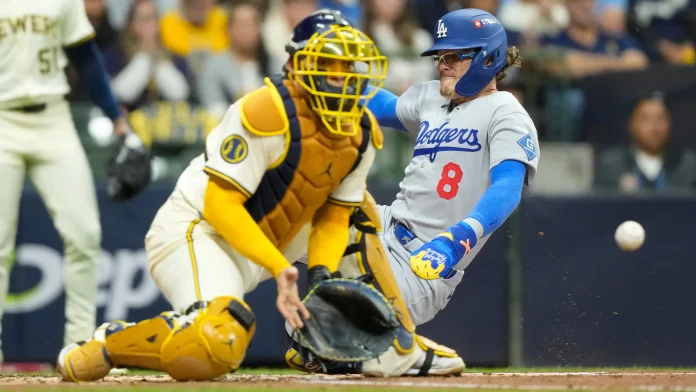

The Milwaukee Brewers vs Dodgers matchup is an exciting fixture for baseball fans who enjoy competitive pitching, powerful batting, smart base running, and tactical decisions. The Milwaukee Brewers and the Los Angeles Dodgers are two well-known Major League Baseball teams with different strengths and playing styles. Whenever these teams meet, fans look forward to seeing how their lineups perform, which pitchers control the game, and which team makes better use of scoring opportunities.
The Brewers are often recognized for their balanced approach, athletic defense, and ability to create pressure through disciplined hitting and base running. The Dodgers, meanwhile, are known for their deep batting lineup, experienced players, and ability to produce runs in crucial situations. These qualities make the contest interesting because success depends on more than home runs alone. Pitching accuracy, defensive consistency, bullpen management, and timely hitting can all influence the final result.
For supporters following the Milwaukee Brewers vs Dodgers contest, understanding the teams’ strengths and potential weaknesses provides a clearer picture of the matchup. Rather than focusing only on the final score, it is useful to examine the starting pitchers, offensive production, defensive execution, and important moments that can change the direction of a game.
Milwaukee Brewers Team Overview
The Milwaukee Brewers have built their identity around competitive team baseball, effective pitching, and an ability to take advantage of opportunities. Their success often depends on maintaining pressure throughout the lineup instead of relying exclusively on one or two powerful hitters. Consistent contact, productive at-bats, and smart decisions on the bases can help Milwaukee challenge even an experienced opponent.
Against a strong team such as the Dodgers, the Brewers need to establish control early. Getting runners on base, working deep counts, and forcing opposing pitchers to throw more pitches can create opportunities later in the game. The team also benefits from defensive players who can convert difficult plays and prevent opponents from extending innings.
Pitching is another important part of Milwaukee’s approach. A strong starting performance can keep the score close and reduce pressure on the bullpen. Relievers must then protect any advantage by limiting walks, controlling the running game, and executing pitches in high-pressure situations. If the Brewers combine reliable pitching with timely offense, they can make the matchup competitive from the first inning through the final out.
Los Angeles Dodgers Team Overview
The Los Angeles Dodgers are widely associated with offensive depth, experienced hitters, and a roster capable of producing runs in several ways. Their lineup can create problems for opposing pitchers because a mistake against one batter may be followed by another difficult at-bat. Power hitting is an important part of their identity, but patience and situational awareness also help the team build productive innings.
When facing Milwaukee, the Dodgers can benefit from making opposing pitchers work. Drawing walks, hitting line drives, and capitalizing on mistakes can increase scoring opportunities without requiring a home run in every inning. Strong hitters can change a game quickly, while contact hitters can help move runners into scoring position.
The Dodgers’ pitching staff also plays a major role in their overall performance. Starting pitchers must establish command and avoid allowing early rallies. The bullpen needs to preserve leads and respond effectively when Milwaukee places runners on base. Defensive coordination is equally important, particularly when the Brewers use aggressive base running or attempt to manufacture runs through singles, walks, and extra-base hits.
Milwaukee Brewers vs Dodgers: Head-to-Head Matchup
A Brewers-Dodgers game often presents an interesting contrast between disciplined team play and an offense capable of delivering explosive innings. However, neither team’s reputation guarantees success in an individual contest. The outcome depends on the available players, starting-pitcher matchup, current form, injuries, and performance on game day.
Milwaukee may look to shorten the game by keeping the Dodgers’ offense quiet in the early innings. If its starting pitcher produces quick outs and the defense remains dependable, the Brewers can avoid giving Los Angeles opportunities to build a large lead. Offensively, Milwaukee needs to take advantage of mistakes and convert runners into runs.
Los Angeles may attempt to put immediate pressure on Milwaukee’s pitching staff. A strong first inning, a timely extra-base hit, or a rally against the bullpen could shift momentum toward the Dodgers. Nevertheless, the Brewers can respond if they remain patient and avoid unnecessary outs.
The most useful way to evaluate this matchup is to compare the teams’ current statistics rather than rely solely on historical reputation. Recent batting averages, on-base percentages, earned run averages, strikeout rates, and bullpen performance can provide more meaningful insight into a specific game.
Key Players to Watch
Individual performances can strongly influence the direction of a baseball game. Power hitters may provide the biggest moments, but pitchers, defensive specialists, and players who reach base consistently can be just as important.
For Milwaukee, attention should be given to the hitters who consistently reach base and the players capable of driving runners home. A productive leadoff hitter can create opportunities for the middle of the order, while a well-timed double or home run can transform a close contest. Milwaukee’s starting pitcher is also crucial because an effective outing can limit the Dodgers’ strongest offensive threats.
For Los Angeles, fans should monitor the middle of the batting order, especially players who combine power with patience. Their ability to draw walks, hit extra-base hits, and deliver with runners in scoring position can determine whether the Dodgers turn promising innings into substantial leads. Starting pitchers and late-inning relievers deserve equal attention because they influence how many scoring chances Milwaukee receives.
Player availability and batting order can change before a game. Therefore, fans should confirm the official lineup and pitching assignments before drawing conclusions about individual matchups. Without verified game-specific information, it is better to assess these roles than to assume that a particular player will start or record a specific statistic.
Pitching Battle and Bullpen Strategy
Pitching is frequently one of the most decisive elements in a matchup between two competitive teams. A starter who consistently throws strikes, changes speeds, and keeps the ball away from the center of the hitting zone can prevent an opponent from building momentum. Limiting walks is particularly important because free passes can turn an ordinary single into a dangerous scoring situation.
In the Milwaukee Brewers vs Dodgers game, the starting pitchers will need to manage both power hitters and patient batters. Milwaukee may try to use pitch selection and location to induce ground balls or weak contact. Los Angeles will look for ways to disrupt the Brewers’ rhythm and create favorable counts. The ability to adjust after the first few innings could become a major factor.
Bullpen management is equally significant. Managers must decide when to replace a starter, which reliever best matches an upcoming group of hitters, and whether to use their strongest late-inning options before the ninth inning. A reliever who enters with runners on base faces a different challenge from one beginning a clean inning.
Walks, home runs allowed, inherited runners scored, and performance in high-leverage situations are useful statistics for evaluating relief pitching. A team with a narrow lead must combine accurate pitching with dependable defense to finish the game successfully.
Batting Performance and Offensive Approach
Offensive production involves more than counting home runs. Teams also need to reach base, advance runners, recognize favorable pitches, and produce runs when opportunities arise. A lineup that combines patience and contact can place constant pressure on the opposing defense.
Milwaukee can benefit from working counts and avoiding overly aggressive swings against pitches outside the strike zone. Singles, doubles, walks, and productive outs can create scoring chances even when home runs are limited. Base running may provide an additional advantage when runners identify opportunities to advance safely.
The Dodgers can use their lineup depth to maintain pressure across several innings. Their hitters need to identify pitch patterns, avoid giving away at-bats, and deliver when runners are in scoring position. An early home run can create momentum, but sustained offensive production is often more reliable than depending on one big swing.
Important offensive statistics include batting average, on-base percentage, slugging percentage, OPS, runs scored, and runs batted in. These measures reveal different aspects of performance. For example, on-base percentage reflects a player’s ability to reach base, while slugging percentage places greater emphasis on extra-base hits.
Defensive Strength and Base Running
Defense can determine the outcome of a close baseball game, particularly when both teams have capable pitchers. Catching routine ground balls, making accurate throws, and communicating effectively in the outfield can prevent opponents from turning small opportunities into large innings.
Milwaukee’s defense needs to remain focused against a lineup that can punish mistakes. An unnecessary throwing error or a missed routine play may extend an inning and expose the pitcher to additional hitters. Strong defensive positioning can help reduce these risks and encourage pitchers to attack the strike zone confidently.
The Dodgers must also prevent Milwaukee from creating extra opportunities through aggressive base running. Quick decisions on steals, advances on balls in play, and attempts to take an additional base can influence scoring. Defensive awareness is essential because a single mistake can move a runner into scoring position.
For both teams, the best defensive approach combines preparation, communication, and execution. Fans should watch how outfielders handle deep hits, how infielders turn double plays, and whether catchers control the running game. These details may not receive as much attention as home runs, but they can have a major effect on the final score.
Matchup Comparison Table
The following table summarizes the main areas to evaluate before or during the game. It is a general matchup guide, not a report of verified current-season statistics.
| Match factor | Milwaukee Brewers | Los Angeles Dodgers |
|---|---|---|
| Offensive approach | Team hitting and creating opportunities | Deep lineup and run-producing potential |
| Pitching priority | Limit walks and control scoring | Establish command and suppress rallies |
| Batting focus | Timely hits and productive at-bats | Power, patience, and extra-base hits |
| Defensive priority | Prevent extended innings | Limit extra bases and costly errors |
| Base running | Take smart advancement opportunities | Balance aggression with situational awareness |
| Bullpen strategy | Protect leads and contain rallies | Match relievers to high-pressure situations |
| Key performance indicator | Runners converted into runs | On-base production and scoring efficiency |
The comparison highlights the importance of execution rather than suggesting that one team automatically has the advantage. A strong starting pitcher can neutralize a powerful lineup, while a timely hit can overcome several innings of excellent pitching. The team that handles pressure most effectively will have a better opportunity to win.
Important Statistics to Follow
Fans who want a deeper understanding of the game should review a combination of team and individual statistics. Recent performance can help explain why one team is favored, but a small sample of games should not be treated as a guarantee of future results.
The most useful statistics include:
- Batting average: Shows how frequently a batter records a hit in official at-bats.
- On-base percentage: Measures how often a player reaches base through hits, walks, and hit-by-pitches.
- Slugging percentage: Reflects a batter’s power by accounting for total bases.
- OPS: Combines on-base percentage and slugging percentage to summarize two important offensive skills.
- ERA: Measures a pitcher’s earned runs allowed per nine innings.
- WHIP: Tracks walks and hits allowed per inning pitched.
- Strikeout-to-walk ratio: Helps evaluate a pitcher’s control and ability to retire hitters.
- Runs in scoring position: Provides insight into how effectively a team converts important opportunities.
These statistics become more useful when considered together. For example, a team may have a high batting average but struggle to produce runs if it leaves too many runners on base. Similarly, a pitcher with a strong ERA may still face difficulties if walks regularly create pressure.
Factors That Could Decide the Game
Several details could determine the result of a Brewers-Dodgers contest. The first is the starting-pitcher matchup. If one starter controls the strike zone and limits hard contact, the opposing offense may struggle to establish momentum. Early runs can also influence bullpen decisions and change the strategies used later in the game.
The second factor is performance with runners in scoring position. A team may collect several hits without building a lead if it fails to produce at the right moments. Conversely, a timely double or sacrifice fly can make a major difference in a low-scoring contest.
The third factor is bullpen effectiveness. Managers must recognize when a pitcher is losing command and make substitutions before a rally becomes difficult to stop. Defensive mistakes, missed opportunities on the bases, and unexpected home runs can also change the outcome.
Finally, recent form and player availability deserve consideration. Injuries, rest days, weather, and lineup adjustments may affect performance. Reviewing confirmed game information is more reliable than assuming that previous meetings will determine the next result.
How Fans Can Follow the Match
Fans can get more value from watching the game by following each inning rather than checking only the final score. The starting pitchers’ command, the number of runners left on base, and the timing of scoring plays provide useful context. A team that trails early may still have a realistic opportunity to recover if its offense continues to create chances.
Live box scores can help supporters track hits, runs, errors, strikeouts, walks, and pitching changes. Comparing those figures with pregame expectations can also reveal which team is executing its strategy more effectively. However, fans should distinguish confirmed statistics from projections or unofficial commentary.
For those researching the Milwaukee Brewers vs Dodgers matchup, the best approach is to combine team history with current-season numbers and confirmed lineups. This creates a more balanced understanding of the contest and avoids relying on outdated rosters or assumptions about player availability.
Conclusion
The Milwaukee Brewers and Los Angeles Dodgers offer an engaging baseball matchup because both teams can compete through pitching, offense, and defensive execution. Milwaukee can create opportunities through disciplined at-bats, smart base running, and effective pitching, while Los Angeles can apply pressure through lineup depth, power hitting, and timely run production.
The final outcome depends on the actual starting pitchers, the players available, bullpen decisions, and how each team handles high-pressure situations. Statistics such as OPS, ERA, WHIP, and performance with runners in scoring position can help explain the game’s progression, but no single number guarantees a result.
For baseball fans, the most rewarding way to assess this matchup is to examine current team form, watch the key player battles, and pay attention to the small decisions that influence each inning. A strong pitching performance, a crucial defensive play, or one timely hit could ultimately separate the Milwaukee Brewers from the Dodgers.