


The upcoming ind vs wi t20 series is set to bring another exciting white-ball contest between India and the West Indies. The five-match T20I series will be played in India after the three-match ODI leg of the tour, giving both teams another opportunity to test combinations, evaluate emerging players and build momentum during a busy international season. The T20I matches are scheduled across Lucknow, Ranchi, Indore, Hyderabad and Bengaluru from October 6 to October 17, 2026. BCCI
For India, the series comes at an important stage of the international calendar. The squad contains a combination of established T20 performers and younger players looking to strengthen their positions in the national setup. Shreyas Iyer has been named captain, with Tilak Varma as vice-captain, while players such as Abhishek Sharma, Sanju Samson, Ishan Kishan, Axar Patel, Kuldeep Yadav and Arshdeep Singh provide experience across different areas of the game.
The West Indies, meanwhile, enter the tour with the challenge of adapting to Indian conditions. Their ability to handle spin, manage different phases of the innings and attack effectively during the powerplay and death overs could be central to the series. The five-match format also provides enough games for teams to make tactical adjustments after seeing how the opposition performs in the opening fixtures.
India vs West Indies T20 Series Schedule
The ind vs wi t20 series consists of five matches, with each game scheduled to begin at 7:00 PM local time. The matches will be distributed across five different Indian venues, creating different playing conditions as the teams move from one city to another. The schedule was officially announced as part of India’s 2026–27 international home season.
| Match | Date | Venue | Start Time |
|---|---|---|---|
| 1st T20I | October 6, 2026 | Lucknow | 7:00 PM |
| 2nd T20I | October 9, 2026 | Ranchi | 7:00 PM |
| 3rd T20I | October 11, 2026 | Indore | 7:00 PM |
| 4th T20I | October 14, 2026 | Hyderabad | 7:00 PM |
| 5th T20I | October 17, 2026 | Bengaluru | 7:00 PM |
The schedule creates an interesting progression because every venue can present a different challenge. Lucknow can bring a tactical element into the game, while Indore has traditionally been associated with high-scoring limited-overs cricket. Bengaluru can also offer conditions where batters may look to exploit the dimensions and pace of the surface. These differences mean that adaptability could be just as important as individual performance.
India T20I Squad and Team Combination
The Indian squad announced for the ind vs wi t20 series includes several players capable of changing the direction of a T20 match within a few overs. Shreyas Iyer will captain the side, while Tilak Varma has been appointed vice-captain. The squad also includes Abhishek Sharma, Vaibhav Sooryavanshi, Ishan Kishan, Sanju Samson, Shivam Dube, Kuldeep Yadav, Axar Patel, Washington Sundar, Ravi Bishnoi, Nitish Kumar Reddy, Arshdeep Singh, Prince Yadav and Mayank Yadav.
One notable aspect of the selection is the mixture of batting depth, spin options, pace and all-round ability. India can potentially build different combinations depending on the venue and pitch conditions. Players such as Axar Patel and Washington Sundar provide flexibility with both bat and ball, while Kuldeep Yadav and Ravi Bishnoi offer specialist spin options. At the pace-bowling end, Arshdeep Singh and Mayank Yadav bring different styles that can be useful during the powerplay and later stages of an innings.
Batting Options Give India Flexibility
India’s batting group provides several possibilities for constructing the top and middle order. Abhishek Sharma can provide an attacking start, while Ishan Kishan and Sanju Samson offer wicketkeeping and batting alternatives. Tilak Varma adds a left-handed option in the middle order, while Shivam Dube and Nitish Kumar Reddy can contribute additional power and balance.
This flexibility matters in T20 cricket because a team does not necessarily need the same combination in every match. A surface that offers assistance to spin may encourage India to select additional bowling options, while a high-scoring venue could lead to a more aggressive batting-heavy XI.
West Indies Approach to the T20 Challenge
The West Indies have historically produced players who are comfortable with the aggressive nature of T20 cricket. Their approach can be particularly dangerous when their batters establish momentum during the powerplay. However, playing in India requires adjustments because pitch behaviour, spin and match conditions can differ considerably from those experienced in the Caribbean.
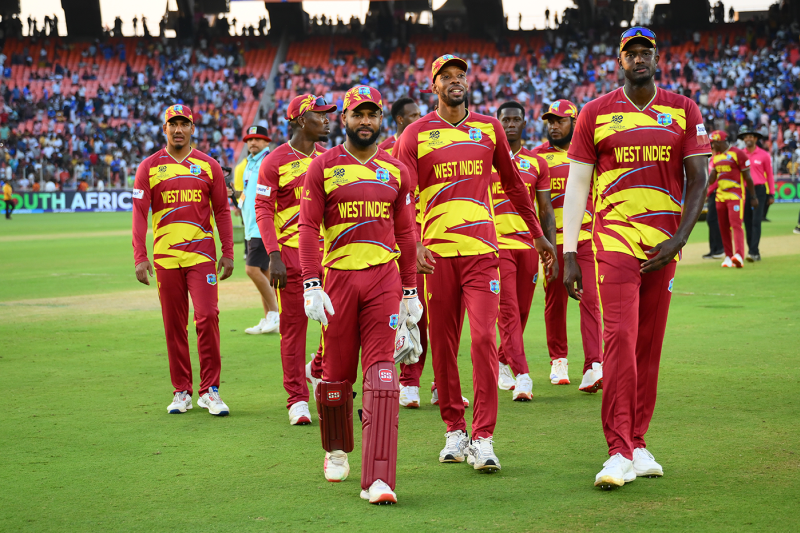
Recent comments from West Indies batter Shai Hope have highlighted the importance of adapting to Indian conditions. Hope noted that playing in India requires a different approach compared with environments such as Australia, England or the Caribbean. icc
That adaptability will be particularly relevant during the ind vs wi t20 series. A batter who normally relies heavily on pace and bounce may need to change shot selection against slower bowling. Similarly, West Indies bowlers will have to identify the right lengths quickly because Indian batters can accelerate rapidly once they understand the conditions.
Key Areas That Could Shape the Series
T20 cricket often changes dramatically within a handful of deliveries. A strong powerplay can establish a platform for a large total, while two or three wickets in the middle overs can completely alter the direction of an innings. For that reason, the contest between the two teams will involve several smaller battles rather than one single factor.
Powerplay Batting
The opening six overs will be an important phase. India will have attacking options capable of putting pressure on the new-ball bowlers, while West Indies will also look for fast starts. Teams that lose early wickets may have to alter their intended strategy and reserve resources for the middle and final overs.
Spin in the Middle Overs
Spin could become especially significant when batters attempt to maintain a high scoring rate without taking unnecessary risks. India’s squad includes several spin options, and the West Indies will need to judge when to attack and when to rotate the strike. The ability to use the crease, target particular matchups and find boundaries without exposing the middle order to excessive risk can make a major difference.
Death-Overs Execution
The final five overs frequently decide T20 matches. Bowlers need variations, accurate yorkers and strong plans for different batters, while the batting side needs to maximize scoring opportunities without losing too many wickets. A team that consistently handles this phase can turn competitive totals into difficult targets.
Why the Five-Match Format Matters
A five-match series provides significantly more tactical room than a single T20I. If a team loses the opening game, it has an immediate opportunity to identify weaknesses and respond. Coaches can change bowling combinations, alter batting positions or introduce different players depending on the evidence gathered from previous matches.
For the ind vs wi t20 contest, this format could also give younger Indian players opportunities to establish themselves. With several players competing for places in the wider T20 setup, individual performances can become important not only for the result of one match but also for future selection discussions.
The West Indies can similarly use the series to assess players under challenging overseas conditions. Repeated exposure to Indian pitches can help their players understand how to construct innings against spin, how to defend totals and how to manage pressure during the later stages of matches.
Venues and Their Possible Influence
The series will travel through five cities, and the venue changes can influence team selection. Lucknow hosts the opening match, followed by Ranchi, Indore, Hyderabad and Bengaluru. The official schedule confirms that the entire T20I leg will be played at 7:00 PM.
Night matches can also introduce factors such as dew, particularly as the innings progresses. Captains and teams may therefore consider how the surface behaves later in the evening when deciding whether to bat or bowl first. Toss decisions can become especially important when conditions change between the first and second innings.
India’s Broader T20 Development
The ind vs wi t20 series is also part of a wider period of transition and development in Indian cricket. The selected squad includes players from different stages of their international careers, giving the management an opportunity to assess combinations beyond a single tournament.

The selection of Mayank Yadav is particularly notable because his pace offers a different dimension to the bowling attack, while the inclusion of Vaibhav Sooryavanshi underlines the continued opportunity for young talent within the national setup. At the same time, experienced players such as Ishan Kishan, Sanju Samson, Axar Patel and Kuldeep Yadav can provide stability around emerging names.
This balance can be useful in T20 cricket. Young players can bring energy and unpredictability, while experienced players can help manage pressure during difficult phases. The challenge for the team management is finding a combination in which these qualities complement each other.
What Fans Can Watch During the Series
There are several areas fans can follow throughout the five matches rather than focusing only on the final result. Individual player roles, batting positions and bowling combinations may reveal how both teams are planning for future T20 assignments.
Important aspects to watch include:
- How India’s top order approaches the powerplay.
- Which spin combination India prefers at different venues.
- How West Indies handle India’s spin attack.
- Which players perform most consistently across multiple matches.
Consistency is particularly valuable in a five-match series. A player who contributes in several different match situations can provide more information to the team management than someone who produces one outstanding performance but struggles in other conditions.
Current Context of the Series
The ind vs wi t20 series is scheduled immediately after the three-match ODI portion of the West Indies tour. The ODI matches are being played in Trivandrum, Guwahati and New Chandigarh before the teams move into the T20I phase.
This sequencing gives both sides an opportunity to settle into the tour before the shortest format begins. However, T20 cricket demands a different mindset. Batters have fewer deliveries to build an innings, bowlers have less margin for error and fielding moments can have an outsized impact on the result.
For India, the home conditions provide familiarity, but familiarity does not eliminate the need for adaptation. West Indies players who quickly understand the surfaces and use their strengths intelligently can create difficult situations for the hosts.
Conclusion
The ind vs wi t20 series promises a five-match contest featuring a blend of established international players and emerging talent. With matches scheduled in Lucknow, Ranchi, Indore, Hyderabad and Bengaluru, the teams will face a variety of conditions while competing across a relatively short period.
India’s squad provides several combinations through its mix of batters, all-rounders, spinners and fast bowlers, while West Indies will look to use their T20 experience and adaptability to challenge the hosts. The powerplay, middle overs, spin battle and death-over execution could all become decisive phases during the series.