
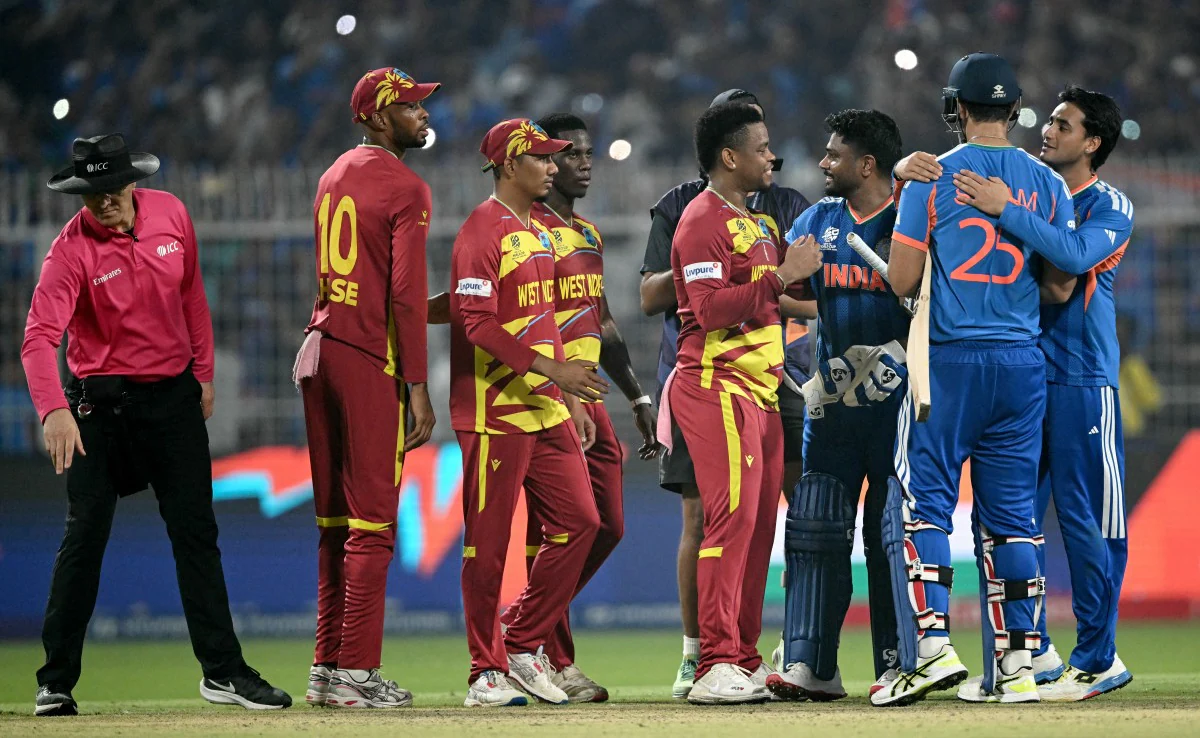

The India and West Indies cricket rivalry continues to produce fascinating contests across formats, combining India’s depth and consistency with the Caribbean side’s explosive batting and unpredictable match-winning ability. The latest white-ball series has added another interesting chapter, with both teams competing in a three-match ODI series followed by five T20Is on Indian soil. The contest has already produced high-scoring matches, individual milestones and a surprise result that showed why West Indies cannot be underestimated.
The current India vs West Indies campaign has been particularly entertaining because the two sides have displayed contrasting strengths. India dominated the opening two ODIs with convincing victories before West Indies responded strongly in the third match. The T20I phase then began with India producing another emphatic performance in Lucknow. That sequence has created plenty of interest around the remaining T20Is, especially regarding whether West Indies can turn their strong moments into a sustained challenge against India’s deep white-ball squad.
For cricket followers, this series is about more than simply wins and losses. It provides an opportunity to observe India’s emerging white-ball combination, experienced players adapting to different roles and West Indies attempting to build consistency against one of the world’s strongest cricket teams. The upcoming matches should therefore offer important clues about both sides’ preparation, tactical flexibility and ability to handle pressure.
India vs West Indies: Current Series Scenario
The recent ODI leg demonstrated just how quickly the momentum can change in international cricket. India won the first ODI in Thiruvananthapuram by eight wickets after restricting West Indies to 295/7 and reaching the target with considerable comfort. Kuldeep Yadav was especially influential with four wickets, while India’s chase highlighted the strength available in its batting lineup.
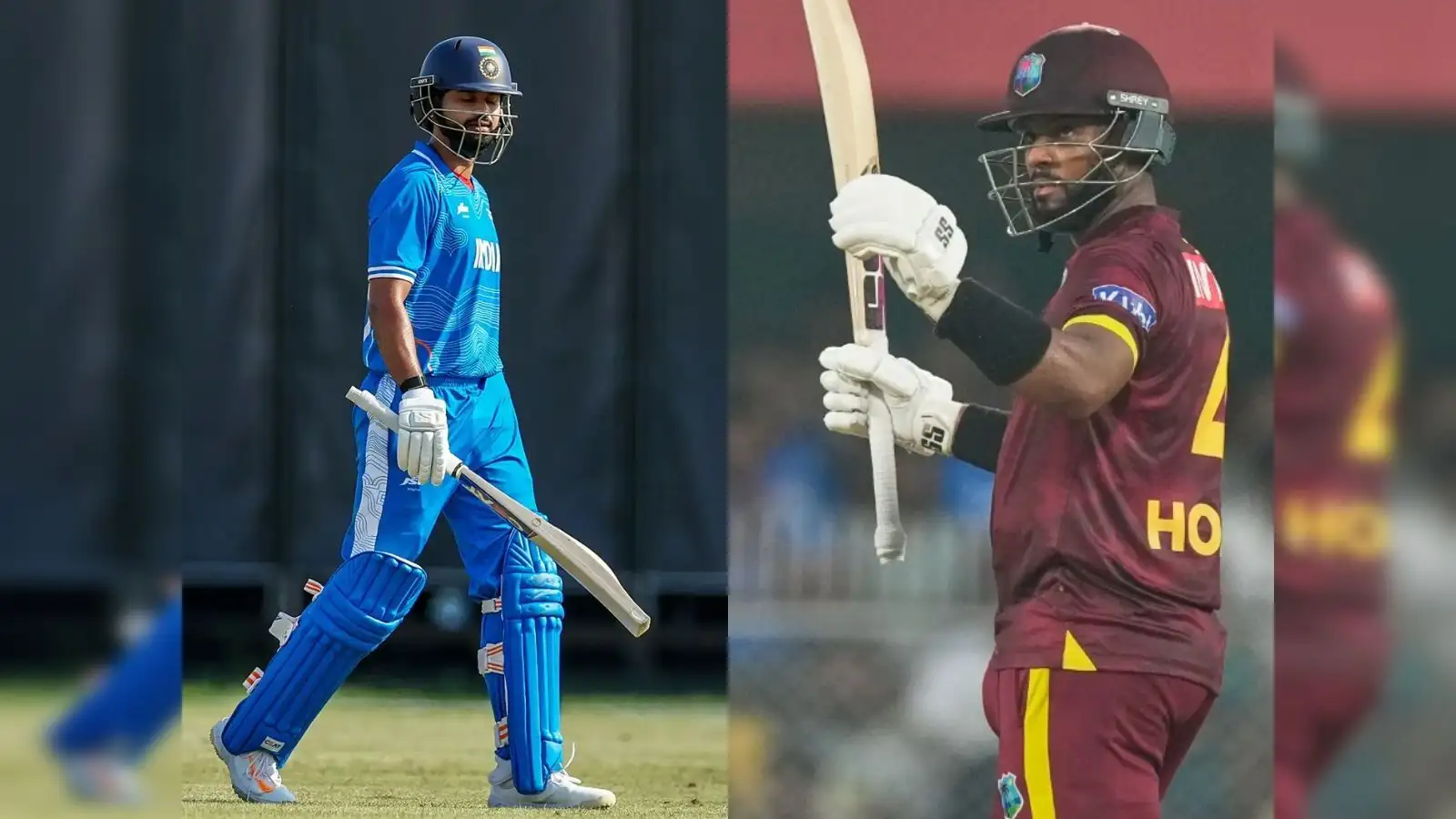
The second ODI was even more dramatic from a batting perspective. West Indies produced an enormous 405/7, including centuries from John Campbell, Shai Hope and Amir Jangoo. Rather than being overwhelmed by the total, India responded with 406/2 in just 43.3 overs. Shubman Gill produced an extraordinary unbeaten 223 from 133 deliveries, while Rohit Sharma also scored a century. India eventually won by eight wickets with 39 balls remaining.
West Indies then produced the response they needed in the third ODI. India scored 351/7, but West Indies chased the target successfully, reaching 352/5 in 48.2 overs and winning by five wickets. The result prevented a clean sweep and demonstrated that the Caribbean side could compete effectively when its top-order and middle-order batting remained together for long periods.
A Strong Start to the T20I Series
The first T20I brought another decisive result. India bowled West Indies out for 171 in 19.1 overs before chasing the target in only 14.4 overs. Shreyas Iyer delivered the defining performance, scoring an unbeaten 102, while Ishan Kishan provided valuable support with an unbeaten 37. India’s eight-wicket victory gave the hosts an early 1–0 advantage in the five-match T20I series.
The performance was significant because West Indies had already shown in the third ODI that they could respond strongly after setbacks. However, India’s bowling attack applied pressure early in the T20I, and the middle overs further restricted the visitors. Naman Dhir, making his T20I debut, took three wickets, while Kuldeep Yadav and Axar Patel also contributed with two wickets each.
Recent Results at a Glance
| Match | Result | Key Highlight |
|---|---|---|
| 1st ODI | India won by 8 wickets | Kuldeep Yadav took four wickets |
| 2nd ODI | India won by 8 wickets | Shubman Gill scored 223* |
| 3rd ODI | West Indies won by 5 wickets | West Indies chased 352 |
| 1st T20I | India won by 8 wickets | Shreyas Iyer scored 102* |
The results show an important pattern. India has generally controlled the series through superior bowling depth and batting resources, but West Indies have demonstrated that their aggressive batting can put enormous pressure on the opposition. The third ODI is the clearest reminder that a strong Indian position does not automatically guarantee victory.
India’s Strengths Heading Into the Remaining Matches
One of India’s biggest advantages is its variety. The squad contains aggressive opening options, technically strong middle-order batters, experienced all-rounders and multiple bowling combinations. In the T20I squad, players such as Abhishek Sharma, Ishan Kishan, Sanju Samson, Tilak Varma, Shivam Dube and Shreyas Iyer give India several ways to construct an innings. The bowling group also includes Arshdeep Singh, Kuldeep Yadav, Axar Patel and Mayank Yadav, allowing the team to alter its approach depending on conditions and opposition.
The batting depth was especially visible in the first T20I. India lost Abhishek Sharma and Sanju Samson relatively early, but the innings did not collapse. Instead, Iyer and Kishan rebuilt the chase before accelerating dramatically. This ability to recover from early setbacks can become a major advantage in T20 cricket, where losing two wickets during the powerplay can easily change the direction of a match.
India’s spin resources could also become increasingly important. Kuldeep Yadav has already demonstrated his ability to take wickets in the series, while Axar Patel offers control as well as lower-order batting value. On surfaces that slow down later in the innings, India’s ability to attack through spin while maintaining pressure with pace could make it difficult for West Indies to maintain a high scoring rate.
The Importance of Shreyas Iyer
Shreyas Iyer’s role deserves particular attention during the T20I series. His unbeaten century in the opening match was not simply a big individual score; it demonstrated his ability to absorb pressure and then transform the innings once the situation became favorable. His 102 came from only 43 deliveries, giving India the acceleration required to finish the chase with plenty of overs remaining.
As captain, Iyer also has to make tactical decisions beyond his own batting. He needs to manage bowling changes, identify favorable matchups and decide when to attack with aggressive field placements. If he continues producing runs while developing confidence in his leadership role, India could become even more difficult to challenge during the remaining matches.
West Indies’ Biggest Threats
West Indies remain dangerous because their batting can change a match within a few overs. The ODI series demonstrated this perfectly. Their 405/7 in Guwahati included three centuries, an extraordinary batting effort that showed the team’s ability to exploit favorable conditions. Even though India eventually won the match, the West Indies innings proved that the Caribbean side possesses enough firepower to create extremely demanding targets.
Shai Hope has been one of the important figures in the current campaign. He has combined responsibility with aggression and has contributed significant runs against India. Sherfane Rutherford also showed his ability to provide attacking momentum during the opening T20I, although West Indies ultimately struggled to build enough partnerships after their early wickets.
For West Indies, the biggest challenge will be converting individual brilliance into complete team performances. A century or a powerful 50 can put pressure on India, but the team needs multiple batters contributing in the same innings. The third ODI showed what can happen when that balance is achieved, while the first T20I showed the consequences when wickets fall too regularly.
Key Battles That Could Decide the Series
One of the most interesting tactical battles in India vs West Indies matches is between India’s spin attack and West Indies’ aggressive middle order. Caribbean batters are often at their best when they can attack pace and maintain a high run rate, but quality spin can force them to change their shot selection. India will therefore look for opportunities to bring spin into the game when new batters arrive at the crease.
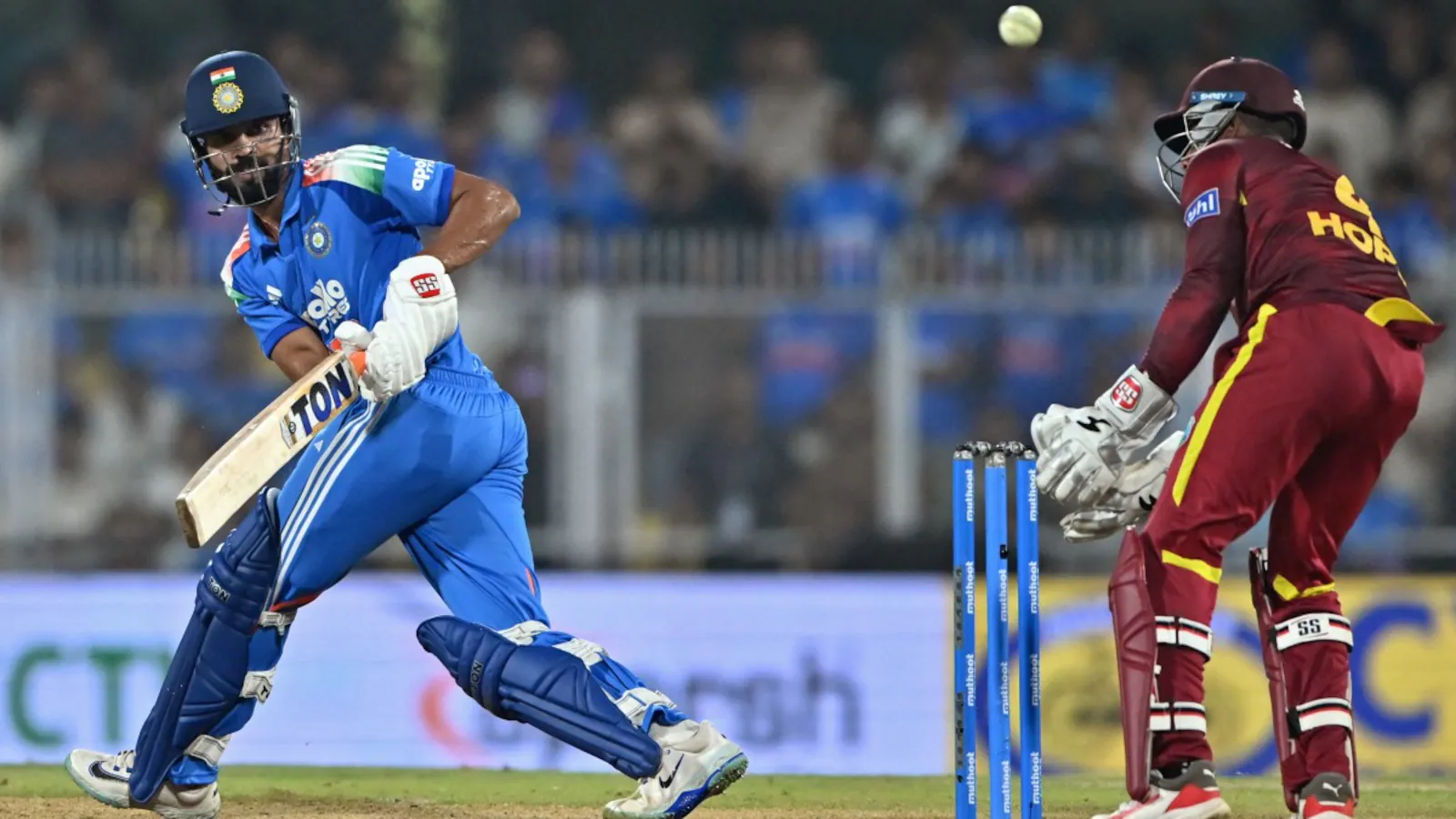
Another important contest involves India’s top order against the West Indies pace attack. India’s batters have shown they can chase large totals quickly, but West Indies will need early wickets to create genuine pressure. The opening overs could therefore determine whether India controls the match from the beginning or is forced into a more cautious middle phase.
There is also an intriguing battle between experience and emerging talent. India has introduced new faces while continuing to rely on established performers, whereas West Indies are attempting to develop a combination capable of challenging stronger opponents consistently. These matches can therefore provide valuable international experience to players who may have significant roles in future campaigns.
Why the Remaining T20Is Matter
The second T20I is scheduled for October 9 in Ranchi, followed by matches in Indore, Hyderabad and Bengaluru on October 11, 14 and 17 respectively. With India already leading 1–0 after the opening game, West Indies will need an immediate response to prevent the hosts from building a commanding series advantage.
The different venues could also influence the tactics. Conditions can vary significantly across Indian grounds, meaning a combination that works in Lucknow may require adjustment elsewhere. Captains will need to judge pitch behavior, dew, boundary dimensions and the effectiveness of different bowling options before settling on their playing combinations.
For India, the remaining matches provide opportunities to test players and combinations while maintaining winning momentum. For West Indies, the priority is different: they need to build confidence, improve their consistency and demonstrate that the third ODI victory was part of a broader improvement rather than an isolated result.
What Fans Can Expect From the Contest
The current India vs West Indies series has already delivered almost every ingredient that makes limited-overs cricket attractive: massive totals, rapid chases, individual centuries, attacking bowling spells and unexpected results. The ODI leg produced both India’s dominant performances and West Indies’ impressive comeback, while the opening T20I once again placed India in control.
Fans can reasonably expect the remaining matches to feature aggressive batting because both teams have players capable of scoring quickly. However, the outcome will probably depend less on individual six-hitting and more on partnerships, wicket preservation and bowling discipline. T20 cricket rewards aggression, but uncontrolled aggression can quickly become a weakness when wickets fall in clusters.
The tactical element should become increasingly interesting as the series progresses. West Indies have already seen how India uses spin and pace to create pressure, while India knows that giving West Indies too much freedom can result in enormous totals. Each team now has recent evidence from the opening matches to study, meaning future games could become more tactical and closely contested.
Conclusion
The latest India vs West Indies chapter has already produced a fascinating mixture of dominance, resistance and individual brilliance. India started the ODI series strongly, won the first two matches comfortably and produced one of the most memorable run chases of the campaign when Shubman Gill scored an unbeaten 223. West Indies responded by winning the third ODI, proving that they can challenge India when their batting remains productive throughout the innings.
The opening T20I again shifted momentum toward India, with Shreyas Iyer’s unbeaten century powering an eight-wicket victory. Yet the series is far from lacking intrigue. West Indies have already shown the ability to recover from setbacks, and their aggressive batting lineup can create pressure very quickly. Ultimately, the remaining India vs West Indies matches will be decided by consistency. India has greater depth and has demonstrated excellent control in several matches, while West Indies possess the explosiveness needed to overturn expectations. If West Indies can improve their early-innings stability and bowling discipline, they can make the T20I series much more competitive. If India continues to combine disciplined bowling with deep batting, the hosts will remain the team to beat.