


Introduction
International cricket has produced several exciting rivalries, and the contests between England and New Zealand remain among the most interesting for fans. Both teams have developed strong cricketing traditions, talented players and different approaches to the game. England is widely recognised for its aggressive batting philosophy and attacking style, while New Zealand has built a reputation for disciplined bowling, dependable batting and excellent teamwork. Whenever these sides meet, supporters can expect competitive cricket, individual brilliance and important moments that influence the outcome.
The england cricket team vs new zealand national cricket team match scorecard is an important resource for understanding how a match develops from the first delivery to the final result. It provides information about runs, wickets, overs, batting performances, bowling figures and partnerships. These details help readers understand more than simply which team won. They also explain how players contributed, where a match changed direction and which performances made the biggest difference.
The 2026 Test series between England and New Zealand provided another memorable chapter in their cricketing history. The teams competed in three Test matches in England during June, producing contrasting results and several impressive individual performances. Examining these matches offers a useful picture of the teams’ strengths, weaknesses and competitive approaches.
England vs New Zealand 2026 Test Series: Match Results
The 2026 Test series was an important contest because both teams demonstrated their ability to perform under different match conditions. England secured the opening Test at Lord’s, but New Zealand responded strongly in the second and third matches. The series highlighted the importance of batting partnerships, bowling consistency and adapting to changing conditions across five days of cricket.
The opening match began on 4 June 2026 at Lord’s Cricket Ground. England won by 115 runs after scoring 140 and 226 in their two innings, while New Zealand managed 113 and 138. The second Test, played at The Oval from 17 June, saw New Zealand win by 253 runs. The visitors produced scores of 391 and 362, while England replied with 291 and 209. In the third Test at Trent Bridge, New Zealand continued its strong performance, winning by 160 runs after making 438 and 288/9 declared. England scored 354 and 212.
England Cricket Team vs New Zealand National Cricket Team Match Scorecard: 2026 Overview
Looking at the england cricket team vs new zealand national cricket team match scorecard across the three-Test series provides a clear understanding of how the competition developed. England started with a victory, but New Zealand gradually established control through its batting depth and bowling performances. The final two matches demonstrated how important it is to build substantial first-innings totals and maintain pressure throughout a Test match.
The following table presents the main results and innings scores from the 2026 Test series.
| Match | Venue | England scores | New Zealand scores | Result |
|---|---|---|---|---|
| 1st Test | Lord’s | 140 & 226 | 113 & 138 | England won by 115 runs |
| 2nd Test | The Oval | 291 & 209 | 391 & 362 | New Zealand won by 253 runs |
| 3rd Test | Trent Bridge | 354 & 212 | 438 & 288/9 declared | New Zealand won by 160 runs |
These results show that New Zealand won the series 2–1. England demonstrated its ability to compete with an impressive opening victory, but New Zealand responded with two convincing performances. The difference between the teams became particularly visible in the second innings of the final two matches, when New Zealand’s bowlers consistently managed to take important wickets.
First Test: England’s Victory at Lord’s
The opening Test began on 4 June 2026 at the historic Lord’s Cricket Ground. New Zealand won the toss and elected to field, giving its bowlers the opportunity to take advantage of the conditions. England struggled during its first innings and was dismissed for 140 runs in 39.4 overs. Harry Brook provided an important contribution with 56 runs from 71 deliveries, becoming the leading scorer for England. Ben Duckett added 19, but the rest of the batting lineup could not establish a substantial partnership.
Kyle Jamieson was particularly effective with the ball, taking five wickets for 62 runs. New Zealand’s response was also challenging, as the visitors were dismissed for 113 runs. Ollie Robinson took five wickets for England, while Glenn Phillips scored an unbeaten 44. England then produced 226 in its second innings, with Emilio Gay scoring 57 and providing valuable resistance. New Zealand needed 254 runs to win but managed only 138. Gus Atkinson claimed five wickets for 30 runs, helping England secure a 115-run victory. Ollie Robinson received the Player of the Match award for his outstanding bowling contribution.
Second Test: New Zealand’s Dominant Performance
The second Test provided a different picture of the rivalry. England entered the match looking to continue its winning momentum, but New Zealand delivered a much stronger overall performance. The visitors scored 391 in their first innings, establishing a useful foundation for the remainder of the match. Glenn Phillips played an important role with a century, scoring 100 from 135 deliveries. His innings included 18 boundaries and demonstrated his ability to combine patience with attacking stroke play.
Tom Blundell also contributed 51, while Kyle Jamieson added 41. England replied with 291, with Emilio Gay scoring 53 and Joe Root making 46. Although several English batters reached useful scores, the team could not match New Zealand’s first-innings total. Matt Henry was especially effective, taking five wickets in England’s first innings. New Zealand then scored 362 in its second innings, setting England a challenging target. The home side was dismissed for 209, resulting in a 253-run victory for New Zealand. Matt Henry received the Player of the Match award for his influential bowling performance.
Third Test: New Zealand Completes Another Strong Win
The third Test took place at Trent Bridge in Nottingham, beginning on 25 June 2026. New Zealand entered the match with an opportunity to secure another series victory, and its batting lineup responded with an excellent first-innings performance. The visitors scored 438 runs in 114.5 overs. Captain Tom Latham made 151 from 214 deliveries, while Devon Conway contributed 157 from 224 balls. Their partnership of 317 runs became a defining feature of the innings and placed England’s bowlers under considerable pressure.
England responded with 354 runs. Ben Duckett scored an attacking 113 from 99 deliveries, while Jacob Bethell added 74 and Harry Brook contributed 58. These performances helped England remain competitive, but the team still finished 84 runs behind New Zealand’s first-innings score. The visitors declared their second innings at 288/9, with Rachin Ravindra scoring 94 and Daryl Mitchell making an unbeaten 100. England needed a difficult target and was eventually dismissed for 212, giving New Zealand a 160-run victory. The result confirmed New Zealand’s 2–1 series win.
Important Batting Performances in the Series
Batting played a major role in determining the outcomes of the three Test matches. Both teams had experienced players capable of changing the direction of a contest, but New Zealand’s top-order contributions in the final Test proved especially valuable. Tom Latham and Devon Conway demonstrated the importance of building a long partnership rather than depending entirely on individual boundaries. Their centuries gave New Zealand control and created opportunities for the middle order to build a competitive total.
England also had several positive batting performances. Harry Brook’s half-century in the first Test helped England recover from an early collapse, while Emilio Gay contributed useful runs in the opening and second matches. Ben Duckett’s century in the third Test was another important moment. His attacking approach showed how England could challenge New Zealand’s bowling attack, even when playing under pressure.
The england cricket team vs new zealand national cricket team match scorecard helps identify these contributions through individual runs, balls faced, boundaries and strike rates. For example, a batter scoring 100 runs from 135 balls has played a different type of innings from someone making 100 from 80 deliveries. Both performances are valuable, but their impact depends on the match situation, pitch conditions and the team’s requirements.
Bowling Performances That Influenced Match Results
Bowling was another major factor in the 2026 series. England had several effective bowlers who produced important breakthroughs, but New Zealand’s attack maintained greater consistency across the final two matches. Matt Henry was one of the standout performers, particularly in the second Test, where his five-wicket haul restricted England’s batting lineup. His ability to maintain an accurate line and length made it difficult for England’s batters to score freely.
Kyle Jamieson also made a significant contribution throughout the series. His height and ability to generate bounce created problems for England’s top order. In the opening Test, he took five wickets in England’s first innings. On the English side, Ollie Robinson and Gus Atkinson delivered match-winning performances at Lord’s. Robinson’s five wickets in New Zealand’s first innings and Atkinson’s five-wicket haul in the final innings helped England secure its only victory of the series. These performances underline how important bowling partnerships are in Test cricket.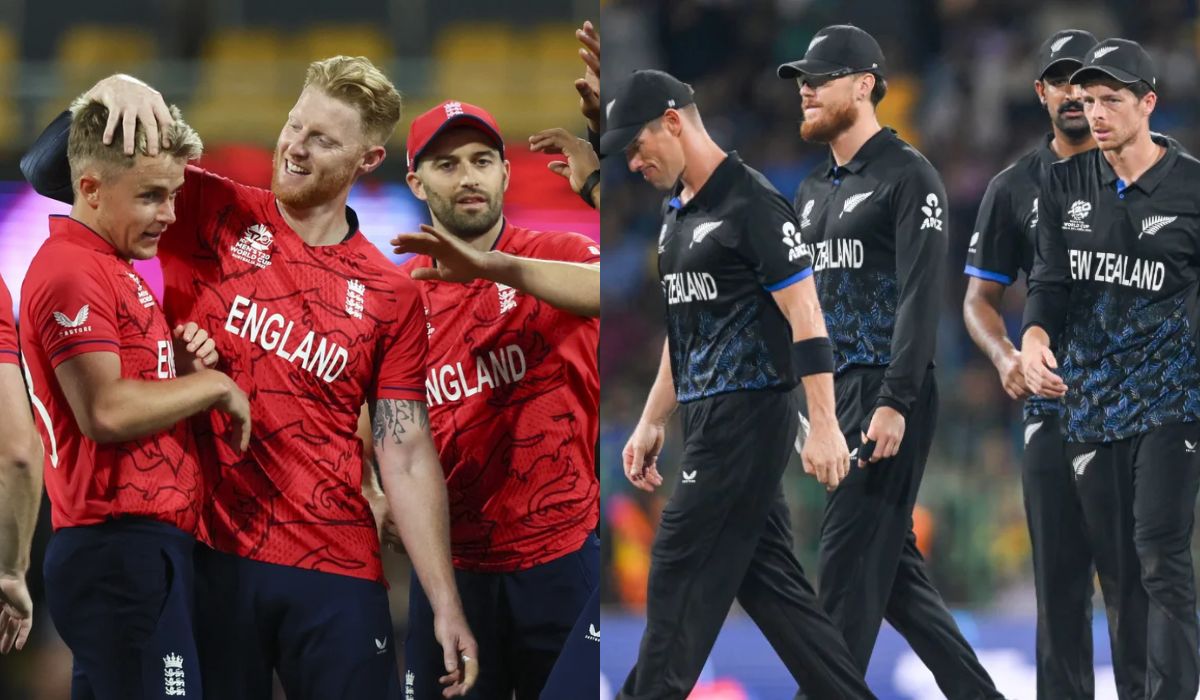
England and New Zealand: Key Players to Watch
Both teams have a combination of experienced international players and emerging talents. Their performances demonstrate the different approaches that make this rivalry interesting. England generally looks to maintain an aggressive scoring rate, while New Zealand often focuses on building partnerships and applying pressure through disciplined bowling.
Some players who attracted attention during the 2026 contests include:
-
Joe Root: An experienced batter capable of building long innings and stabilising England’s batting lineup.
-
Harry Brook: An attacking batter who can change the momentum with aggressive stroke play.
-
Ben Stokes: An influential all-rounder whose leadership and ability to contribute with bat and ball remain valuable.
-
Tom Latham: A dependable New Zealand batter who demonstrated his ability to score big centuries.
-
Devon Conway: A technically capable opener who played a crucial role in the third Test.
-
Matt Henry: A fast bowler whose accuracy and wicket-taking ability made a difference in the series.
The performances of these players also help explain why individual statistics are important when studying a match. A player may not score a century or take five wickets but can still contribute through a valuable partnership, an economical bowling spell or an important fielding effort.
How to Understand a Complete Cricket Scorecard
A cricket scorecard contains several statistics that help readers understand the progress and outcome of a match. New cricket followers sometimes focus only on the final score, but there is much more information available. Understanding the different columns makes it easier to analyse individual performances and compare both teams.
The batting section normally displays the number of runs scored, balls faced, boundaries, sixes and strike rate. It also explains how a batter was dismissed. Bowling statistics include overs, maidens, runs conceded, wickets taken and economy rate. In Test cricket, these figures become particularly important because bowlers must maintain pressure over long periods.
When reading the england cricket team vs new zealand national cricket team match scorecard, readers should pay attention to the following details:
Total runs: The number of runs scored by a team during an innings.
Wickets: The number of batters dismissed. Losing wickets quickly can put pressure on the remaining batting lineup.
Overs: The number of completed overs faced or bowled by a team.
Strike rate: The speed at which a batter scores runs, generally expressed as runs per 100 balls.
Economy rate: The average number of runs conceded by a bowler per over.
Partnerships: The runs added by two batters while they are together at the crease.
These statistics provide a complete picture of the match rather than presenting only the final result.
What Makes England vs New Zealand an Interesting Rivalry?
England and New Zealand have different cricketing traditions, but both teams share a competitive approach and a strong emphasis on teamwork. England’s home conditions can provide assistance to seam bowlers, especially when the weather is cloudy and the pitch offers movement. New Zealand also has a strong tradition of producing disciplined fast bowlers who can exploit these conditions.
Another interesting aspect is the tactical difference between the two sides. England often prefers to put pressure on opponents through positive batting and quick scoring. New Zealand, meanwhile, frequently relies on patience, controlled bowling and partnerships. These contrasting styles create interesting match situations, especially during the middle sessions of Test cricket.
The england cricket team vs new zealand national cricket team match scorecard allows fans to examine these tactical differences through actual match statistics. For example, a high first-innings total can create pressure on the opposition, while a quick scoring partnership can help a team recover from an early collapse. Similarly, a bowler who consistently delivers maiden overs can create pressure even without taking wickets immediately.
The Importance of Pitch and Weather Conditions
Pitch and weather conditions can significantly influence cricket matches in England. Grounds such as Lord’s, The Oval and Trent Bridge have different characteristics, and teams must adjust their strategies accordingly. Early movement for fast bowlers can make batting difficult, while a pitch that becomes slower may offer opportunities for spinners as a match progresses.
Weather interruptions can also affect the rhythm of a Test match. Rain may reduce playing time, change the timing of declarations and influence the opportunities available to both teams. Captains must consider these factors when deciding whether to bat or bowl first.
In the 2026 series, England and New Zealand demonstrated the importance of adapting to match conditions. Their performances showed that success depends not only on individual talent but also on making suitable decisions at the right time. A team that adjusts its batting tempo, bowling combinations and field placements effectively can gain an important advantage.
England vs New Zealand in T20 International Cricket
The rivalry is not limited to Test cricket. England and New Zealand have also competed in several important limited-overs tournaments. Their T20 International matches generally feature faster scoring, aggressive batting and tactical bowling changes. Unlike Test cricket, where patience and endurance are essential, T20 matches require teams to make quick decisions and maximise scoring opportunities within 20 overs.
One notable meeting took place during the ICC Men’s T20 World Cup on 27 February 2026. England defeated New Zealand by four wickets in Colombo. New Zealand scored 159/7 in 20 overs, while England reached 161/6 in 19.3 overs. The result demonstrated England’s ability to complete a challenging run chase under pressure. Will Jacks scored 32 from 18 deliveries, while Rehan Ahmed contributed 19 from just seven balls during the closing stages.
This match also demonstrated why format-specific analysis matters. In T20 cricket, strike rates, boundary percentages and performances during the final overs can be more influential than the long partnerships commonly associated with Test matches.
Why Fans Follow Match Scorecards Regularly
Cricket supporters follow scorecards for different reasons. Some want to know the final result, while others are interested in individual performances, team combinations and match statistics. A detailed scorecard offers all these details in one place and makes it easier to understand how a contest developed.
The england cricket team vs new zealand national cricket team match scorecard is especially useful for fans who cannot watch an entire match. They can review the innings totals, wickets, batting contributions and bowling figures to understand the important moments. It is also useful for cricket enthusiasts who compare historical performances or study the progress of particular players.
Scorecards are valuable for sports writers and analysts as well. They provide numerical information that can support match reports, player comparisons and tactical discussions. However, statistics should always be considered alongside the match situation. A batter scoring 40 runs while chasing a difficult target may make a more valuable contribution than someone scoring the same number of runs when the team is already comfortably placed.
Conclusion
The England and New Zealand cricket rivalry continues to provide entertaining and competitive international cricket across different formats. The 2026 Test series was a strong example of this competition, with England winning the opening match at Lord’s before New Zealand secured victories in the second and third Tests to claim the series 2–1. The teams displayed impressive individual performances, important partnerships and effective bowling strategies throughout the contest.
The england cricket team vs new zealand national cricket team match scorecard provides a detailed way to understand these matches. From Tom Latham and Devon Conway’s centuries at Trent Bridge to Matt Henry’s influential bowling and England’s impressive opening victory, the statistics reveal how each contest developed. For cricket followers, studying these figures offers a better understanding of player contributions, team strategies and the factors behind match results. Whether following Test matches or T20 Internationals, scorecards remain an essential part of enjoying and analysing international cricket.