
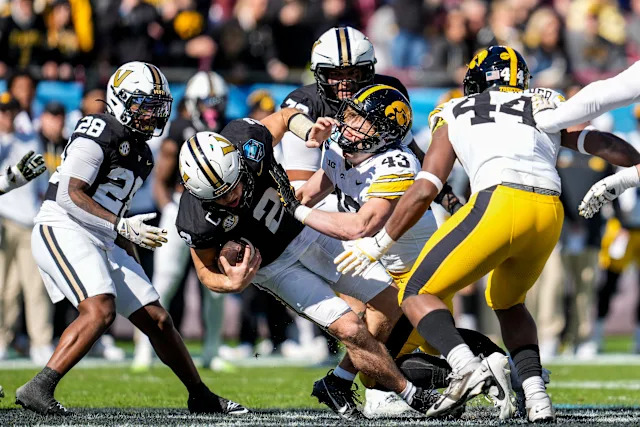

Every year, as the regular football season comes to an end, fans eagerly turn their attention to one of the most exciting periods in American sports. The postseason brings unforgettable matchups, emotional farewells, rising stars, and championship pursuits. At the center of this excitement are college football bowl games, a tradition that has shaped the sport for generations.
These postseason contests are more than just additional games on the schedule. They represent achievement, prestige, and opportunity. Teams spend months competing for the chance to earn a bowl invitation, while fans travel across the country to support their schools. The atmosphere combines celebration, competition, and history in a way few sporting events can match.
From legendary stadiums to thrilling last-minute victories, bowl season continues to capture the imagination of players and supporters alike. Understanding how this system developed and why it remains important provides valuable insight into the culture of college football.
The Origins of Bowl Season
The story of postseason football began more than a century ago. Early organizers wanted to create special events that would attract visitors and showcase growing cities. These games quickly gained popularity because they allowed top teams from different regions to compete against one another.
The first major bowl contest inspired many others to follow. Over time, communities realized that hosting postseason football could bring tourism, national attention, and economic benefits. What started as a small experiment gradually expanded into a nationwide tradition.
As college football grew in popularity throughout the twentieth century, bowl games became a symbol of success. Programs that consistently earned invitations gained prestige and attracted talented athletes. Fans eagerly anticipated announcements about postseason destinations, turning bowl selection day into an event of its own.
Today, dozens of games take place each season, reflecting the sport’s remarkable growth and enduring appeal.
Why Bowl Games Matter to Teams
For players and coaches, reaching a bowl game is often one of the primary goals of the season. A successful campaign can be validated by earning an invitation to compete during postseason play. These opportunities reward teams for months of hard work and dedication.
Bowl participation also provides additional practice time. Younger athletes gain valuable experience that can help them develop into future stars. Coaches use the extended preparation period to evaluate talent and build momentum for the following season.
Financially, bowl appearances can provide significant benefits for athletic programs. Increased visibility leads to stronger recruiting opportunities, greater alumni engagement, and enhanced school recognition. Many universities view postseason participation as a crucial component of long-term success.
The significance extends beyond wins and losses. A bowl appearance often becomes a memorable milestone that players remember for the rest of their lives.
The Unique Traditions Surrounding Bowl Games
One reason fans love postseason football is the rich collection of traditions associated with it. Each game often reflects the culture and identity of its host city. Local events, parades, concerts, and community celebrations transform bowl week into a festive experience.
Players frequently participate in activities that allow them to explore new destinations and connect with local communities. These experiences create lasting memories that go far beyond what happens on the field.
The pageantry surrounding college football bowl games is another major attraction. Bands perform elaborate halftime shows, mascots entertain crowds, and fans proudly display school colors. The combination of competition and celebration creates a distinctive atmosphere unlike any other sporting event.
These traditions help preserve the sport’s heritage while introducing new generations to the excitement of postseason football.
The Role of Rankings and Selection Committees
Not every team receives the same postseason opportunities. Rankings, records, strength of schedule, and overall performance play significant roles in determining bowl destinations. Selection committees evaluate numerous factors when creating matchups.
Highly ranked teams often earn invitations to prestigious contests that attract national audiences. These games frequently feature championship implications and generate significant media attention. Meanwhile, other bowl matchups provide deserving programs with opportunities to showcase their progress and compete against unfamiliar opponents.
The selection process occasionally sparks debate among fans and analysts. Supporters naturally advocate for their favorite teams, leading to passionate discussions about deserving participants. Despite these disagreements, the process contributes to the excitement surrounding postseason football.
Every announcement creates anticipation as fans begin planning travel and predicting outcomes.
Memorable Moments That Defined Bowl History
Over the decades, postseason football has produced countless unforgettable moments. Dramatic comebacks, game-winning field goals, and heroic performances have become permanent parts of sports history. Many legendary athletes first gained national recognition through standout bowl appearances.
Championship dreams have been realized in bowl stadiums, while underdogs have shocked heavily favored opponents. These dramatic outcomes contribute to the enduring popularity of the sport.
Some games are remembered for extraordinary individual performances, while others stand out because of their emotional significance. Senior players often conclude their college careers during bowl season, adding another layer of meaning to each contest.
The history of college football bowl games is filled with stories that continue to inspire fans and athletes alike. Each season adds new chapters to a tradition that spans generations.
Economic and Cultural Impact
Beyond athletics, bowl games generate substantial economic activity for host communities. Hotels, restaurants, transportation providers, and local businesses often experience increased demand during postseason events.
Cities compete to host major games because they attract visitors from across the country. The resulting tourism revenue can have a meaningful impact on local economies. National television coverage also helps promote destinations to broader audiences.
Culturally, bowl games bring people together. Alumni reconnect with former classmates, families gather to watch games, and communities unite in support of their schools. The shared experience strengthens traditions that extend well beyond sports.
The influence of bowl season can be felt in classrooms, workplaces, and neighborhoods as fans celebrate their teams’ accomplishments.
The Evolution of the Modern Postseason
The postseason landscape has changed significantly over the years. New formats and championship systems have been introduced to create clearer pathways for determining national champions. These adjustments reflect the sport’s ongoing evolution and growing popularity.
Despite these changes, the importance of bowl games remains strong. Fans continue to value traditional matchups, historic venues, and the excitement of postseason competition. Many players view bowl participation as a reward for their dedication throughout the year.
Modern technology has also transformed how fans experience games. Social media, streaming services, and advanced broadcasting techniques allow supporters to engage with bowl season in new ways. The sport has adapted to changing expectations while preserving many of its cherished traditions.
As the game continues to evolve, bowl season remains a cornerstone of the college football experience.
What the Future Holds
Looking ahead, postseason football is likely to continue evolving. Expansion discussions, scheduling adjustments, and technological innovations may shape future formats. However, the fundamental appeal of bowl games is unlikely to disappear.
Fans appreciate the opportunity to see unique matchups that rarely occur during the regular season. Players value the chance to compete on prominent stages, while universities benefit from increased visibility and recognition.
Future generations will undoubtedly create new traditions while honoring those established by earlier eras. The balance between innovation and heritage will remain an important part of the sport’s identity.
As long as teams strive for excellence and fans embrace the excitement of postseason competition, bowl season will continue to thrive.
Conclusion
The enduring popularity of college football bowl games stems from their ability to combine competition, tradition, and celebration. They reward successful seasons, create unforgettable memories, and provide opportunities for players to showcase their talents on national stages. From historic beginnings to modern championship pursuits, these contests have become an essential part of the college football landscape.
The excitement surrounding college football bowl games extends far beyond the final score. Communities benefit economically, fans strengthen lifelong connections to their schools, and athletes achieve milestones that define their careers. As the sport continues to evolve, college football bowl games will remain a cherished tradition, bringing together generations of supporters and preserving the spirit that makes college football unique.
Read More:- Undefeated College Football Teams and the Quest for Perfect Seasons