
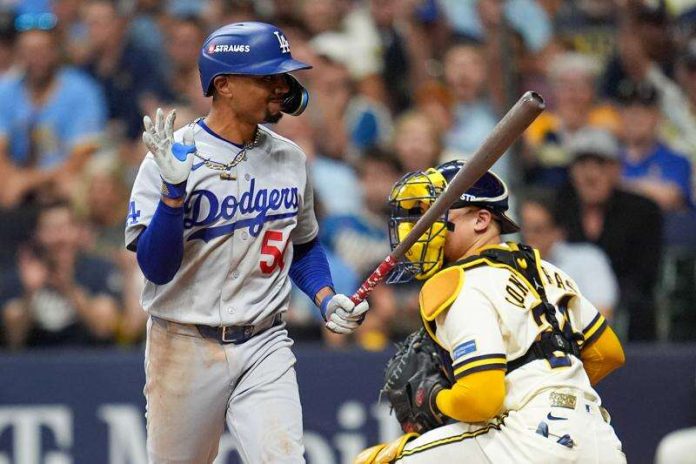

The Milwaukee Brewers and the Los Angeles Dodgers are two competitive teams in Major League Baseball (MLB), attracting attention with their distinctive playing styles, talented rosters, and postseason ambitions. Whenever these teams meet, fans can expect an exciting contest involving pitching strategy, offensive execution, defensive coordination, and important decisions from the dugout. Both franchises have developed strong identities and regularly attract interest from baseball followers who enjoy high-level competition.
A matchup between these clubs provides an opportunity to examine how different approaches to winning can influence a baseball game. The Brewers are known for emphasizing pitching development, athletic defense, and efficient offensive production, while the Dodgers have frequently combined powerful hitting with experienced starting pitchers and considerable roster depth. However, the outcome of any individual game depends on the players available, current form, ballpark conditions, and the decisions made during nine innings. Understanding these factors helps fans appreciate more than just the final score.
Brewers vs Dodgers: Understanding the Matchup
The Brewers vs Dodgers matchup is interesting because both teams can create pressure in different ways. Milwaukee may look to control the pace through effective pitching, disciplined at-bats, aggressive baserunning, and timely hitting. Los Angeles can apply pressure through its lineup depth, ability to generate extra-base hits, and experience in important situations. These strengths can produce a competitive game even when one team appears to have an advantage on paper.
Baseball is a sport in which small moments can change the direction of an entire contest. A two-out single, a successful sacrifice bunt, a defensive miscommunication, or a home run with runners on base can significantly influence the result. The teams must also manage their bullpens carefully because a strong start does not guarantee a victory if relief pitchers struggle later in the game.
Fans evaluating this matchup should consider recent results, probable starting pitchers, lineup announcements, injuries, and bullpen workload. Historical reputation can provide useful context, but it cannot determine what will happen in a particular meeting. The most meaningful preview combines established team characteristics with the latest available information about the game.
Team Overview: Milwaukee Brewers
The Milwaukee Brewers have built a competitive reputation through pitching, defense, player development, and the ability to maximize opportunities. Their approach often emphasizes balance rather than relying exclusively on home runs. When Milwaukee receives quality innings from its starting pitcher and makes consistent defensive plays, it can remain competitive against teams with powerful lineups.
Offensively, the Brewers benefit from hitters who can reach base, move runners into scoring position, and deliver timely hits. Walks and singles may appear less dramatic than home runs, but they can create valuable scoring opportunities, especially against pitchers who struggle with command. Baserunning also matters because taking an extra base can put additional pressure on the opposing defense.
Milwaukee’s pitching staff is another important factor. Starting pitchers need to establish control early, mix their pitches effectively, and prevent the Dodgers from settling into a comfortable rhythm. The bullpen must then protect narrow leads and handle dangerous hitters in high-pressure situations. If the Brewers combine these elements with disciplined hitting, they can challenge even an experienced opponent.
Team Overview: Los Angeles Dodgers
The Los Angeles Dodgers have frequently been among MLB’s most closely followed teams because of their offensive depth, investment in talented players, and strong postseason aspirations. Their lineup can feature a combination of power hitters, patient batters, and players capable of producing runs in different situations. This variety makes it difficult for opposing pitchers to rely on one approach throughout an entire game.
The Dodgers can change the momentum quickly when hitters connect for extra-base hits or home runs. However, their offense is not limited to power. Drawing walks, recognizing pitches, and forcing pitchers to throw more deliveries can also contribute to success. Long at-bats may expose weaknesses in an opponent’s pitching plan and create opportunities for the bullpen to enter earlier than expected.
Los Angeles must also maintain reliable defense and receive consistent performances from its pitchers. Even a productive lineup can struggle if the opposing starter controls the strike zone or if runners are left stranded. Strong defensive execution, effective relief pitching, and sensible lineup decisions remain essential when facing a team such as Milwaukee.
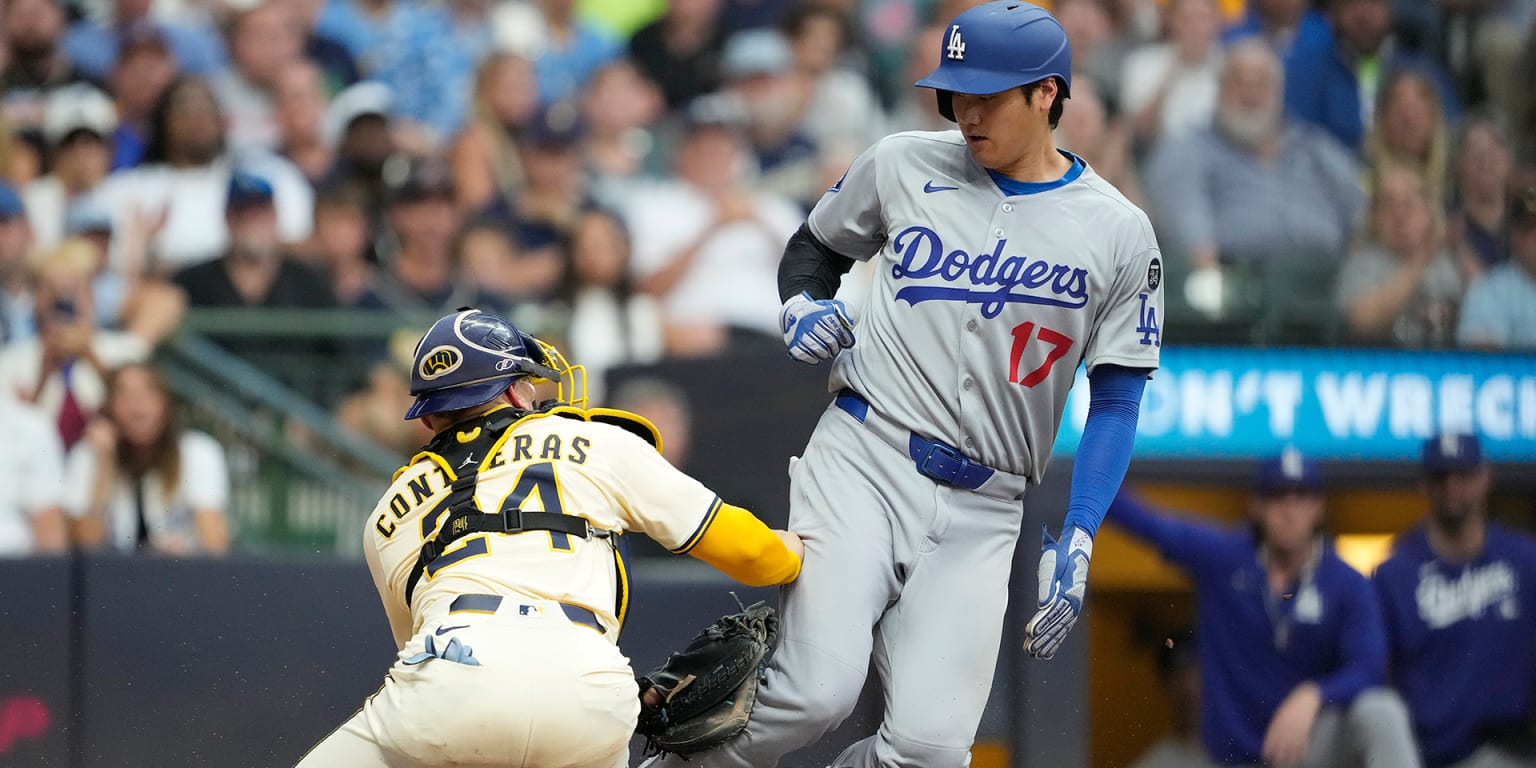
Key Players to Watch
The most important players in this matchup depend on the confirmed lineups and starting pitchers. Rather than assuming every star will be available, fans should review the official lineup before the first pitch. The following player categories can help identify where the contest may be decided.
Starting Pitchers
Starting pitchers establish the initial tone of a game. Their ability to locate fastballs, mix breaking pitches, and keep hitters off balance can determine whether the first few innings are quiet or high-scoring. Strikeout ability is valuable, but limiting walks and avoiding hard contact are equally important.
Power Hitters
Home-run hitters can change a game with one swing, particularly when runners are already on base. The Dodgers’ offensive depth can make their power threats especially important, while Milwaukee must identify favorable pitches and avoid allowing big innings.
Contact Hitters
Hitters who consistently put the ball in play can keep innings alive and take advantage of defensive gaps. Contact skills are particularly useful when the opposing pitcher has strong velocity but occasionally struggles to command secondary pitches.
Relief Pitchers
Relievers often become decisive during the later innings. A dependable setup pitcher can bridge the gap between the starter and the closer, while the closer must execute pitches under pressure. Recent workload and availability should be considered before evaluating either bullpen.
Head-to-Head Comparison
Comparing the two teams across several baseball fundamentals helps explain the possible advantages each club may have. The table below summarizes general strengths rather than claiming live statistics or results for a particular game.
| Match Factor | Milwaukee Brewers | Los Angeles Dodgers |
|---|---|---|
| Offensive approach | Situational hitting and baserunning | Lineup depth and power hitting |
| Pitching priority | Control, efficiency, and quality innings | Strikeouts, command, and rotation depth |
| Defensive focus | Consistency and limiting extra bases | Reliable fielding and positional flexibility |
| Scoring opportunities | Productive at-bats and timely hits | Extra-base hits and sustained pressure |
| Bullpen strategy | Protect leads and manage matchups | Use specialized relievers in key situations |
| Winning approach | Execute fundamentals and capitalize on mistakes | Combine offensive production with strong pitching |
These comparisons describe broad team tendencies, not guarantees. Individual player performances, roster changes, and the starting pitching matchup can shift the balance considerably.
Important Statistics to Analyze
Statistics help supporters understand why one team might have an advantage, but individual numbers should always be interpreted in context. Recent performance, opponent quality, ballpark conditions, and sample size can all affect how useful a statistic is when assessing a particular game.
The following measurements are especially useful when reviewing a game preview or postgame report:
- Batting average: Measures how frequently a batter records a hit in official at-bats.
- On-base percentage (OBP): Shows how often a player reaches base through hits, walks, and hit-by-pitches, subject to official scoring rules.
- Slugging percentage (SLG): Measures a batter’s total bases per at-bat and helps illustrate extra-base power.
- Earned run average (ERA): Represents the average number of earned runs a pitcher allows per nine innings.
- WHIP: Measures walks and hits allowed per inning pitched.
- Strikeout-to-walk ratio: Helps evaluate a pitcher’s ability to miss bats while maintaining control.
- Bullpen ERA: Provides an indication of relief-pitching performance over the period being examined.
No single statistic provides a complete picture. For example, a pitcher with a strong ERA might have benefited from excellent defense, while a hitter with a modest batting average could still contribute through walks and extra-base hits. Using several measurements together produces a more balanced assessment.
Pitching Matchups and Game Strategy
Pitching is often one of the biggest factors in a close MLB contest. Both teams need their starters to establish the strike zone, limit free passes, and avoid allowing multiple runners to reach base in the same inning. The Dodgers may try to challenge Milwaukee’s hitters with a varied pitch selection, while the Brewers will look for ways to disrupt the timing of Los Angeles’ offense.
The first time through the batting order can reveal how hitters are responding to a pitcher’s delivery and selection. Managers may adjust defensive positioning, pitch-calling strategies, and bullpen plans as the game develops. A starter who allows several hard-hit balls early might need to make an adjustment before the opposition builds a substantial lead.
Relief pitching becomes increasingly important when the game remains close after six or seven innings. Managers must decide whether to trust a tiring starter, introduce a specialist against a particular hitter, or bring in a high-leverage reliever earlier than usual. These choices depend on the score, player availability, recent workload, and the importance of the game.
Offensive Performance and Scoring Opportunities
Offensive production involves more than hitting home runs. Teams must create baserunners, move them into scoring position, and convert opportunities into runs. A walk followed by a single can be just as important as a long hit when it extends an inning and forces the opposing pitcher to work under pressure.
For Milwaukee, consistent contact and smart baserunning can help challenge the Dodgers’ defense. The Brewers can benefit from taking advantage of mistakes, avoiding unnecessary outs, and remaining patient when pitchers miss the strike zone. Their ability to turn small opportunities into runs may be particularly important in a low-scoring contest.
Los Angeles can respond through its lineup depth and power potential. A home run can erase a deficit immediately, while consecutive productive at-bats can force Milwaukee to use its bullpen sooner than planned. Nevertheless, aggressive hitting can become counterproductive if batters chase pitches outside the strike zone. Plate discipline and situational awareness remain essential for both teams.
What Could Decide the Game?
Several factors could influence the outcome of this contest. Although baseball contains an element of unpredictability, the following areas offer a practical framework for evaluating each team’s chances.
- Starting-pitcher effectiveness: The team whose starter limits walks and hard contact may gain an early advantage.
- Performance with runners in scoring position: Converting scoring opportunities can separate the winner from the loser.
- Home-run production: A timely home run can change the score and the strategic decisions that follow.
- Defensive execution: Preventing errors and limiting extra bases helps control the opposition’s scoring opportunities.
- Bullpen availability: Fresh relievers can be crucial when a game enters the late innings.
- Managerial decisions: Pitching changes, pinch hitters, and defensive substitutions can influence close situations.
- Momentum management: Teams need to respond calmly after giving up runs or missing a scoring opportunity.
These factors are useful for evaluating the game before the first pitch and understanding the final result afterward.
Brewers vs Dodgers: Fan Viewing Guide
Following the Brewers vs Dodgers game can be more enjoyable when fans prepare by reviewing the schedule, confirmed starters, and expected lineups. MLB games are shaped by individual matchups, so checking which hitters are facing which pitchers often provides more insight than simply looking at team standings.
Fans can also follow the game inning by inning, paying attention to pitch counts, runners on base, substitutions, and changes in the score. The box score provides a concise record of batting and pitching contributions, while a play-by-play account explains how important moments developed.
For international viewers, including baseball fans in India, the scheduled start time deserves attention because MLB games are played in North American time zones. The local date may differ from the date displayed on an American schedule. Confirming the official schedule helps prevent confusion about when the game begins.
When evaluating a preview, remember that historical results and general team strengths are not substitutes for current information. Confirmed starters, player availability, and recent performances provide a stronger foundation for understanding the contest.
Frequently Asked Questions
Who are the Milwaukee Brewers?
The Milwaukee Brewers are a Major League Baseball team based in Milwaukee, Wisconsin. They compete in the National League Central Division and have developed a reputation for competitive pitching, defense, and player development.
Who are the Los Angeles Dodgers?
The Los Angeles Dodgers are an MLB team based in Los Angeles, California. They compete in the National League West Division and are widely recognized for their offensive talent, deep rosters, and postseason success.
What should fans check before the game?
Fans should review the confirmed starting pitchers, batting lineups, injury updates, recent team results, bullpen availability, and official first-pitch time. These details are more useful for a specific game prediction than relying on historical reputation alone.
Which statistics matter most in this matchup?
Starting-pitcher ERA, WHIP, strikeout-to-walk ratio, team on-base percentage, slugging percentage, and bullpen performance can all help explain the matchup. The importance of each statistic depends on the players available and the game situation.
Can the game outcome be predicted accurately?
No prediction can guarantee the result. Baseball outcomes depend on pitching execution, offensive timing, defense, managerial decisions, and unexpected events. Statistical analysis can help assess possible advantages, but uncertainty remains part of the sport.
Conclusion
The Milwaukee Brewers and Los Angeles Dodgers offer an engaging MLB matchup because both teams can compete through different combinations of pitching, offense, defense, and tactical decision-making. Milwaukee can create opportunities through disciplined hitting, efficient pitching, and strong fundamentals, while Los Angeles can apply pressure through lineup depth, extra-base power, and experienced players.
A useful assessment of the Brewers vs Dodgers contest should consider confirmed starting pitchers, current player availability, recent performance, offensive efficiency, and bullpen depth. These details help explain where each team might hold an advantage without treating the outcome as certain.
Ultimately, the most exciting moments may come from a key strikeout, a defensive play, a late-inning substitution, or a timely hit with runners on base. By looking beyond the final score and understanding the strategic details, fans can gain a deeper appreciation of the competition and the factors that shape every MLB game.