
Introduction to MLB News
Major League Baseball (MLB) is one of the most popular professional baseball leagues in the world, attracting millions of fans who follow their favorite teams, star players, game results, and championship races. From exciting home runs and outstanding pitching performances to unexpected victories and dramatic playoff finishes, baseball provides fresh stories throughout the season. Following MLB news helps fans understand what is happening across the American League and National League while keeping up with the developments that influence the competition.
Baseball coverage includes much more than final scores. Supporters also follow player statistics, roster changes, managerial decisions, injury reports, trade discussions, and team strategies. These details help explain why a team is improving, why a leading player may be struggling, or how a club is preparing for an important series. Whether someone supports the Los Angeles Dodgers, New York Yankees, Boston Red Sox, Chicago Cubs, or another franchise, reliable baseball coverage makes every game more interesting.
Understanding Major League Baseball
Major League Baseball consists of 30 teams divided into the American League and the National League. Each league contains three divisions: East, Central, and West. This structure creates regional rivalries, divisional races, and regular-season matchups that can influence postseason qualification. Teams compete over a long schedule, requiring consistent performances from starting pitchers, relief pitchers, hitters, catchers, and defensive players.
The regular season tests a club’s depth, preparation, and ability to respond to difficult stretches. A team might begin strongly before experiencing injuries or a decline in offensive production. Another club could improve late in the season after making roster adjustments or receiving stronger performances from younger players. Understanding these changes gives fans a clearer picture of the competition than simply checking the latest score.
For supporters looking for MLB news, league structure is particularly useful because it explains the importance of divisional standings and head-to-head results. A victory against a direct division rival may have greater consequences for a postseason race than a win against a team outside that competition. Every series can contribute to the larger story of a club’s season.
Latest MLB News and the 2026 Postseason
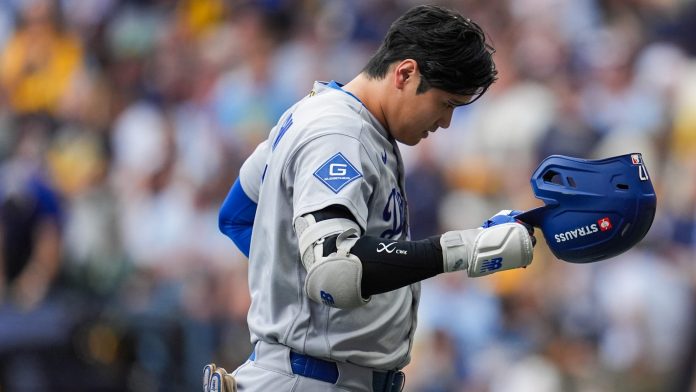
October is one of the most exciting periods on the baseball calendar because the postseason brings together teams that have survived the challenges of a long regular season. In 2026, the playoff race has produced compelling matchups, important pitching performances, and several stories that are shaping the championship picture. The Milwaukee Brewers have advanced to the National League Championship Series against the Los Angeles Dodgers, while the Cleveland Guardians are competing against the Tampa Bay Rays in the American League Championship Series. These matchups have placed additional attention on lineup depth, bullpen management, and the ability to perform under pressure.
The postseason also highlights how quickly momentum can change. A team that dominates during the regular season may face unexpected difficulties against a well-prepared opponent. Meanwhile, clubs with balanced pitching and timely hitting can turn close contests into memorable victories. Fans following MLB news should pay attention to series results, starting-pitcher announcements, lineup adjustments, and the availability of injured players. Each development can influence expectations for the next game and help explain which teams are best positioned to reach the World Series.

Important Teams to Follow
Several franchises regularly attract attention because of their history, talented rosters, and large fan bases. The Los Angeles Dodgers remain a major topic of discussion thanks to their offensive strength and postseason experience. The New York Yankees also command considerable interest, particularly when their leading hitters and pitching rotation are available for important games. Other teams, including the Boston Red Sox, Chicago Cubs, Philadelphia Phillies, Atlanta Braves, and San Diego Padres, generate interest through their rivalries, roster development, and competitive ambitions.
The Milwaukee Brewers have also become a significant postseason storyline in 2026. Their progress demonstrates the importance of coordinated team performances rather than relying entirely on individual stars. Strong relief pitching, productive at-bats, and defensive execution can make the difference in closely contested series. Meanwhile, the Tampa Bay Rays and Cleveland Guardians have given American League fans another compelling matchup to follow.
When evaluating a team’s chances, supporters should consider its recent results alongside its full-season performance. A short winning streak may indicate improved form, but it does not automatically guarantee continued success. Consistency, player availability, matchup advantages, and the ability to execute under pressure are all important factors.
Player Performances and Statistics
Individual performances are central to baseball coverage. Batting average, home runs, runs batted in, on-base percentage, slugging percentage, and stolen bases help describe offensive contributions. Pitchers are evaluated through statistics such as earned run average, strikeouts, walks, innings pitched, and WHIP, which measures walks plus hits allowed per inning pitched. No single statistic explains everything, but together these figures help fans understand how players contribute to their teams.
A batter with a high on-base percentage can create scoring opportunities even without hitting frequent home runs. Similarly, a pitcher who limits walks and consistently works deep into games can reduce pressure on the bullpen. Defensive statistics also matter because reliable fielding can prevent runs and support a pitching staff during difficult innings.
Postseason statistics deserve special attention because the sample sizes are usually small. One outstanding game can significantly change a player’s average or ERA. Fans should therefore consider multiple performances, the quality of the opposition, and the game situation before drawing conclusions about a player’s overall form.
MLB Scores, Standings, and Game Results
Game scores provide the quickest way to understand what happened, but the surrounding details often explain why a result matters. A narrow victory might reflect excellent bullpen management, a decisive defensive play, or a timely hit with runners in scoring position. A large winning margin could result from a productive lineup, an ineffective opposing starter, or several defensive mistakes.
Standings help place these results in context. During the regular season, wins and losses determine divisional positions and influence postseason qualification. In October, series records become even more important because teams must win a set number of games to advance. A club that falls behind in a short series may have limited opportunities to recover.
Here is a useful guide to the information fans should check when reviewing baseball results.
|
Category |
What to examine |
Why it matters |
|---|---|---|
|
Final score |
Runs scored by each team |
Shows the game outcome |
|
Batting |
Hits, home runs, and RBIs |
Explains offensive production |
|
Pitching |
Strikeouts, walks, and ERA |
Indicates pitching effectiveness |
|
Fielding |
Errors and defensive plays |
Reveals defensive contributions |
|
Standings |
Wins, losses, and series records |
Shows competitive position |
|
Player availability |
Injuries and roster changes |
Helps explain lineup decisions |
MLB Injuries and Roster Changes
Injuries can significantly influence a team’s season, especially when they affect star hitters, starting pitchers, or dependable relievers. Clubs must balance the desire to return players quickly with the need to protect their long-term health. Medical assessments, training progress, and recovery schedules all influence decisions about when a player can resume competition.
Aaron Judge’s calf strain was one notable storyline during the 2026 postseason. The Yankees managed his availability while evaluating his recovery, illustrating how injuries can affect lineup construction and postseason planning.
Roster changes are equally important. Managers may adjust batting orders to create favorable matchups, introduce defensive replacements late in games, or use relief pitchers differently depending on the opponent. Teams also need backup players who can perform when regular starters are unavailable.
Fans should distinguish confirmed injury updates from speculation. An expected return date may change, and a player participating in practice does not necessarily mean that the player is ready for competitive action. Reliable updates should explain the nature of the injury, the player’s progress, and any official roster decision.

New Rules and Technology in Baseball
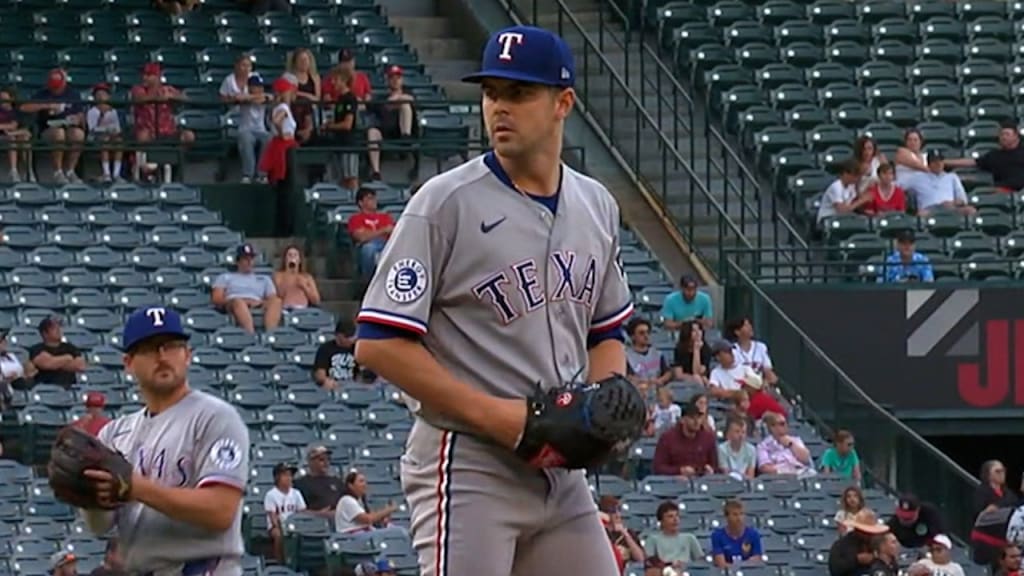
Technology continues to influence how professional baseball is played and officiated. One notable development in 2026 is the postseason use of the Automated Ball-Strike System, commonly known as ABS, which allows eligible players or teams to challenge certain ball-and-strike calls. The system has added a tactical element to important at-bats because the timing of a challenge can influence the outcome of a plate appearance.
During the early 2026 postseason, batters won a higher percentage of their challenges than they had during the regular season. Catchers also demonstrated strong results, and one successful challenge by Philadelphia catcher J.T. Realmuto produced the first game-ending ABS challenge in postseason history.
Technology can improve consistency, but it also creates new strategic questions. Players must decide when a call is worth challenging, while teams need to understand the value of preserving their opportunities. These moments add another layer of decision-making to a sport already shaped by pitch selection, defensive positioning, and managerial judgment.
Proposed Changes to the MLB Schedule and Playoffs
League structure can also become a major topic of baseball discussion. In October 2026, MLB proposed reducing the regular season from 162 games to 154 beginning in 2029, alongside changes that could expand the Division Series from best-of-five to best-of-seven games. The proposal also included a possible opponent-selection system for higher-seeded teams beginning in 2027. These ideas remain proposals rather than confirmed rules, and their implementation depends on ongoing discussions with the players’ association.
Supporters of a shorter schedule may point to additional recovery time and a more balanced weekly calendar. Others may be concerned about changes to traditional records, competitive balance, travel, and the financial effects of fewer regular-season games. Expanding the Division Series could create more postseason contests while giving teams additional opportunities to recover from early setbacks.
Following MLB news means paying attention to these discussions as well as game results. Rule changes and scheduling decisions can affect players, managers, broadcasters, stadium operations, and fans who plan their seasons around baseball.
How Fans Can Follow MLB News Effectively
With so many games and teams to follow, a consistent approach makes baseball coverage easier to understand. Rather than checking every available update, fans can prioritize the information that matters most to their interests. Someone following one franchise may focus on its schedule, starting rotation, injuries, and divisional rivals, while a general baseball fan may prefer postseason results, award races, and major league developments.
Useful habits include:
-
Check final scores and upcoming matchups regularly.
-
Review standings to understand each team’s competitive position.
-
Follow confirmed injury reports and roster announcements.
-
Compare player statistics across several games rather than relying on one performance.
-
Watch highlights to understand important plays and turning points.
-
Separate official announcements from unconfirmed trade rumors.
-
Track playoff series results to see which teams are advancing.
These simple steps help supporters develop a more complete understanding of the season. They also make it easier to recognize patterns, such as improved pitching, increased offensive production, or a team’s success against particular opponents.
What Makes MLB So Exciting?
Baseball combines individual skill with coordinated teamwork. Every pitch creates a new decision, and a single hit can change the direction of an inning. Unlike sports in which the clock determines the end of a contest, baseball continues until the required number of outs has been recorded, with extra innings possible when the score is tied after regulation play.
The sport also has a rich tradition of rivalries, historic records, emerging young talent, and experienced players pursuing championships. Fans can enjoy strategic pitching duels just as much as high-scoring games filled with home runs. Defensive plays, baserunning decisions, and managerial substitutions often become decisive moments.
Another attraction is the length of the season. Teams must manage fatigue, travel, injuries, and fluctuations in performance over many months. The playoffs then create a different environment in which every game carries greater consequences. This combination of endurance and high-pressure competition keeps baseball engaging for casual viewers and dedicated supporters alike.
Conclusion
MLB offers a constant stream of stories involving team performance, player development, tactical decisions, injuries, technology, and championship ambitions. Understanding these elements helps fans look beyond the final score and appreciate the factors that determine success on the field. From regular-season standings to dramatic postseason matchups, every development contributes to the wider baseball story.
Following MLB news is an effective way to stay informed about important results, emerging stars, changing strategies, and the future direction of the sport. By checking statistics, monitoring confirmed announcements, and understanding the playoff format, fans can follow their favorite teams with greater confidence. As the 2026 postseason continues, the performances of the remaining contenders will determine which franchise ultimately earns the opportunity to compete for the World Series championship.