
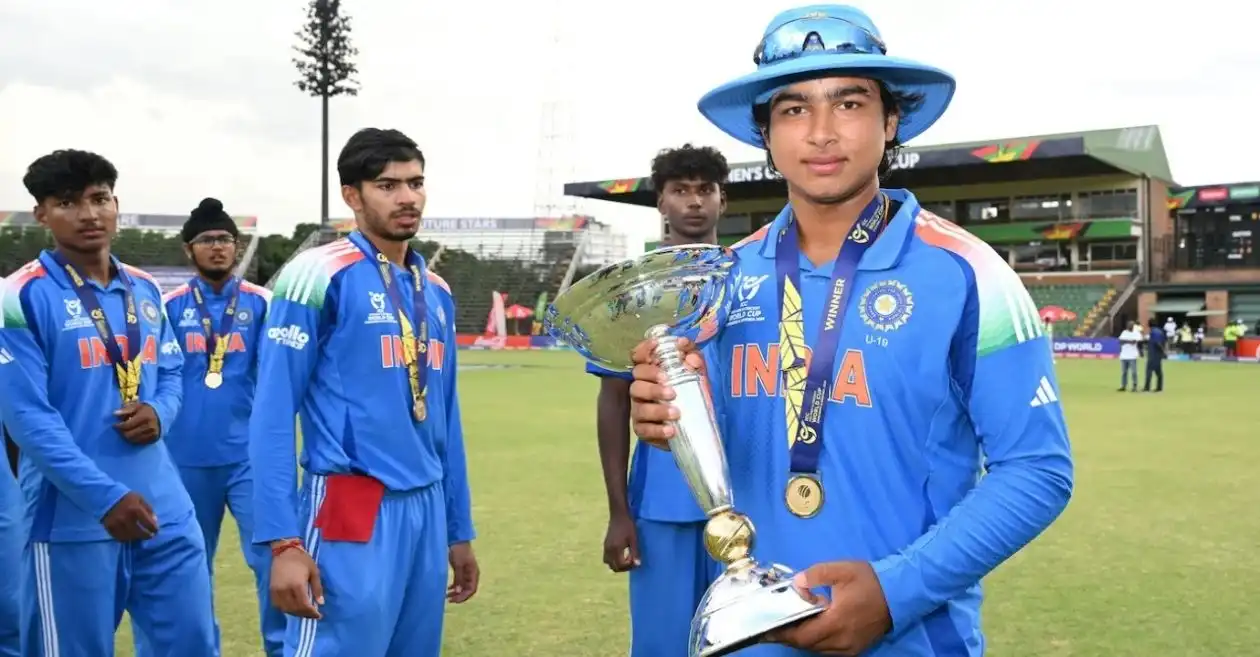

The ICC Under-19 Men’s Cricket World Cup 2026 brought together some of the most promising young cricketers from around the world for an exciting international competition. Co-hosted by Zimbabwe and Namibia, the tournament began on January 15 and concluded with the final on February 6, 2026. Sixteen teams competed across 41 matches, giving emerging players an opportunity to demonstrate their skills on a major international stage. The event featured established youth cricket nations alongside developing teams eager to make their mark.
For cricket fans, the u19 world cup schedule 2026 offered a clear picture of the tournament’s progression, from the opening group matches to the Super Six stage and the knockout rounds. India, Australia, England, Pakistan, Bangladesh and other competitive sides entered the competition with ambitions of reaching the final. The tournament also provided an important platform for identifying future international stars, as young players faced the pressure of playing against the best opponents in their age group.
Since the competition has already concluded as of October 2026, its schedule can now be reviewed alongside the tournament’s completed stages. Understanding the dates, venues, participating teams and match structure helps readers follow how the competition unfolded and why particular fixtures attracted attention from cricket supporters worldwide.
U19 World Cup Schedule 2026: Tournament Overview
The 2026 edition was the 16th ICC Under-19 Men’s Cricket World Cup. It followed a format designed to give teams meaningful opportunities during the group stage while ensuring that the strongest performers advanced into the later rounds. Matches took place across five venues in the two host countries, with Zimbabwe hosting the semi-finals and final. The competition started with three matches on January 15, including India’s opening fixture against the United States.
The tournament was particularly significant because it combined traditional youth cricket powerhouses with emerging participants. Tanzania made its debut, while Japan returned after previously participating in the 2020 edition. Australia entered as defending champions after winning the 2024 tournament, whereas India arrived with a record of five previous titles. These contrasting backgrounds created an interesting competitive environment, with experienced youth programmes facing teams looking to establish themselves internationally.
The main tournament dates and details are summarised below.
| Tournament detail | Information |
|---|---|
| Competition | ICC Under-19 Men’s Cricket World Cup |
| Edition | 16th |
| Start date | January 15, 2026 |
| Final date | February 6, 2026 |
| Host countries | Zimbabwe and Namibia |
| Participating teams | 16 |
| Total matches | 41 |
| Defending champions | Australia |
| Final venue | Harare Sports Club, Zimbabwe |
These details provide a useful starting point for understanding the competition. The schedule included group-stage fixtures, placement matches, Super Six encounters, two semi-finals and the championship final. Each stage served a different purpose, making the tournament more competitive than a straightforward knockout competition.
Full Match Schedule and Important Dates
The group stage ran from January 15 to January 24, with teams playing against opponents in their respective groups. These opening fixtures were important because every result influenced qualification for the next stage. India faced the United States on January 15, followed by Bangladesh on January 17 and New Zealand on January 24. The other groups featured encounters involving Australia, England, Pakistan, South Africa, Sri Lanka and the host nation Zimbabwe.
The u19 world cup schedule 2026 also included matches on consecutive days, making squad rotation, recovery and preparation important considerations. Teams needed to manage their bowling resources and batting combinations carefully, especially when weather conditions or demanding playing schedules affected their plans. The group stage concluded with teams competing for positions that determined their routes into the Super Six phase or placement matches.
Key Fixtures from the Group Stage
The opening round featured several matches that attracted attention because of the teams involved and their potential effect on qualification. India began its campaign against the USA, while Australia opened against Ireland on January 16. Pakistan faced England on the same day, and Zimbabwe played Scotland on the opening day. These fixtures gave supporters an early opportunity to assess the form of the leading youth sides.
Other notable group-stage fixtures included India against Bangladesh on January 17, Australia against Japan on January 20, and Zimbabwe against Pakistan on January 22. India then met New Zealand on January 24 in its final group-stage match. Each encounter contributed to the standings, and the results determined which teams progressed to the next phase. For young cricketers, these games also provided valuable experience in handling international pressure and adapting to different playing conditions.
India U19 World Cup Schedule 2026
India traditionally attracts considerable attention in Under-19 cricket because of its strong youth development system and history of producing international players. The u19 world cup schedule 2026 gave Indian supporters several important dates to follow during the initial stage, including matches against the USA, Bangladesh and New Zealand. These fixtures tested India’s batting depth, bowling combinations and ability to adjust its approach against different opponents.
India’s first group match was against the USA on January 15 at Queens Sports Club in Bulawayo. The team then faced Bangladesh on January 17 at the same venue before meeting New Zealand on January 24. The schedule allowed fans to follow India’s progress through the opening stage and understand the team’s qualification prospects. Strong performances in these matches were important for entering the Super Six phase with a competitive position.
India’s campaign continued beyond the group stage, with the team progressing to the Super Six round and later reaching the semi-finals. Its subsequent fixtures demonstrated how the tournament structure rewarded consistency rather than relying on a single strong performance. For supporters analysing the competition, India’s schedule was therefore relevant not only for individual match dates but also for understanding the team’s route through the championship.
Tournament Format: Group Stage, Super Six and Knockouts
The competition involved 16 teams divided into four groups of four. Each team played three group-stage matches, with the top three teams from each group advancing to the Super Six stage. The fourth-placed teams moved into placement matches, giving them additional opportunities to compete and establish their final tournament positions.

The Super Six stage brought together qualifying teams from paired groups. Results against other teams that also progressed from the same original group carried forward, making the group-stage standings particularly important. Teams then played two further matches against opponents from the paired group according to their positions. This structure rewarded teams that performed consistently from the beginning and prevented qualification from becoming a completely fresh competition.
The top two teams in each Super Six group advanced to the semi-finals. The first semi-final was played on February 3 at Queens Sports Club in Bulawayo, while the second took place on February 4 at Harare Sports Club. The winners met in the final on February 6 in Harare. This progression created a clear route from the opening fixtures to the championship match.
Venues and Host Countries
Zimbabwe and Namibia shared hosting responsibilities for the 2026 tournament. The arrangement brought international youth cricket to several venues and gave participating teams the experience of playing in different environments. Zimbabwe hosted matches in Harare and Bulawayo, while Namibia’s fixtures were held in Windhoek. The five venues were selected to accommodate the busy schedule and provide suitable grounds for the participating teams.
Harare Sports Club and Takashinga Sports Club hosted matches in Harare, while Queens Sports Club served as the principal venue in Bulawayo. Namibia’s two venues were Namibia Cricket Ground and High Performance Oval, both located in Windhoek. The distribution of matches meant that teams had to plan their preparation and travel carefully, particularly when moving between host cities.
The final took place at Harare Sports Club on February 6, bringing the tournament to its conclusion. Hosting the decisive match in Zimbabwe provided a fitting finish to a competition that had brought together teams from different cricketing regions. Conditions at each ground also contributed to the challenge, as players needed to adjust to the pitch, outfield and local environment.
Teams Participating in the 2026 Competition
Sixteen national teams took part in the tournament, representing a broad range of cricketing backgrounds. The field included traditional contenders with established youth systems as well as countries seeking to develop their presence in international cricket. The inclusion of Tanzania as a debutant and Japan’s return added further variety to the competition.
The teams were arranged into four groups:
-
Group A: Australia, Ireland, Japan and Sri Lanka.
-
Group B: India, Bangladesh, USA and New Zealand.
-
Group C: Zimbabwe, Pakistan, England and Scotland.
-
Group D: Tanzania, West Indies, Afghanistan and South Africa.
Australia entered the competition as defending champions, while India carried the distinction of being the tournament’s most successful team historically. England and Pakistan were also among the sides capable of challenging for a place in the knockout rounds. Meanwhile, teams such as Tanzania and Japan had opportunities to gain experience against established youth cricket programmes.
The tournament offered more than a championship contest. It allowed players to experience international travel, unfamiliar opposition and the pressure of representing their countries. For developing cricket nations, even a competitive group-stage performance could provide valuable lessons for future youth competitions.
How to Follow Match Results and Tournament Progress
Although the tournament has finished, readers reviewing the u19 world cup schedule 2026 can use the original fixture dates to organise match reports, results and team performances chronologically. Looking at the schedule alongside scorecards helps explain why certain teams qualified and how the competition changed as it progressed. A group-stage victory, for example, could have a significant effect on a team’s Super Six position, particularly when points carried forward into the next stage.
When checking historical match information, it is useful to distinguish between the original fixture schedule and the final results. The schedule records when and where games were planned, while completed scorecards show the actual outcome, including wickets, runs, overs and any adjustments caused by weather. This distinction is particularly important for tournaments involving multiple venues and a tight playing calendar.
Readers interested in a particular team can follow its complete campaign by reviewing the group matches first, then the Super Six fixtures and any subsequent knockout games. This approach provides a clearer picture of the team’s strengths, weaknesses and overall consistency than focusing on a single result.
Why the Under-19 World Cup Matters for Future Cricket Stars
The Under-19 World Cup has an important role in the development of international cricket. It provides talented young players with an opportunity to compete against strong opponents while experiencing the expectations associated with a global tournament. Players must learn to perform under pressure, communicate effectively with teammates and make tactical decisions against unfamiliar bowling and batting styles.
The competition also gives selectors and coaches an opportunity to evaluate players in challenging conditions. A batter who scores consistently against different bowling attacks may demonstrate technical discipline, while a bowler who performs well in close matches can show control and composure. Equally, fielding standards, fitness and decision-making can influence a player’s long-term prospects. However, success at youth level does not guarantee a senior international career; continued development and consistent performances remain essential.
For supporters, following the u19 world cup schedule 2026 provides a useful way to understand how young cricketers progress through an international tournament. It also offers a historical reference point for assessing emerging players as their careers develop. The experience gained in such competitions can help prepare promising cricketers for domestic tournaments, professional leagues and, eventually, senior international cricket.
Conclusion
The 2026 ICC Under-19 Men’s Cricket World Cup brought together 16 teams for 41 matches across Zimbabwe and Namibia, running from January 15 to February 6. Its format combined group-stage competition with the Super Six round, placement matches and knockout fixtures, creating multiple opportunities for young players to demonstrate their abilities. India, Australia, England, Pakistan and other participating nations contributed to a tournament designed to showcase the next generation of cricketing talent.