
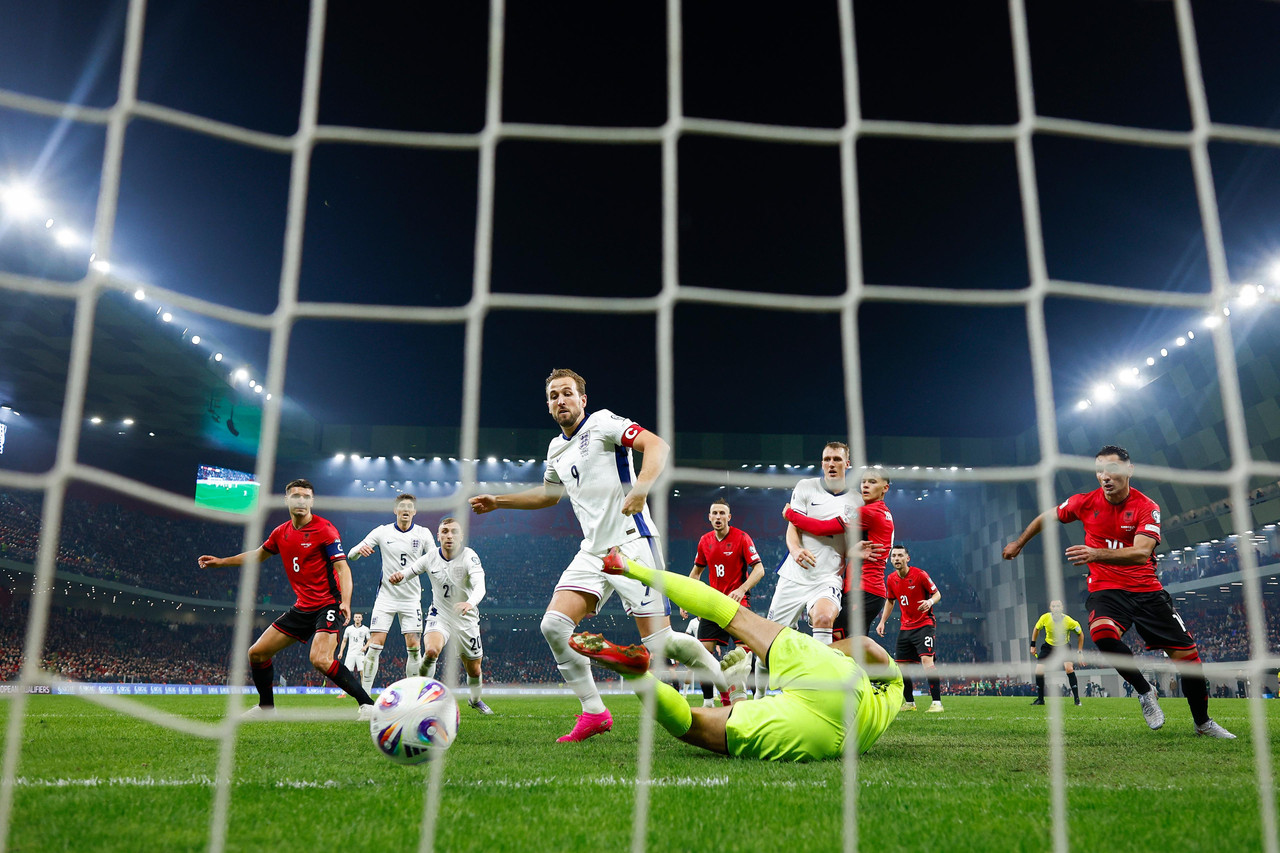

The FIFA World Cup 2026 became a landmark edition of international football, bringing together 48 national teams across Canada, Mexico, and the United States. Unlike previous editions featuring 32 teams, the expanded tournament delivered 104 matches and introduced a larger competition format designed to give more nations the opportunity to compete on football’s biggest stage. The tournament began on June 11 and concluded on July 19, 2026, with Spain lifting the trophy after defeating Argentina 1–0 following extra time.
For football fans, the FIFA World Cup games represented much more than a collection of fixtures. The expanded format produced a wide range of storylines, from established football powers navigating a longer tournament to emerging teams making deeper runs than many expected. Matches were played across 16 host cities in three countries, creating a World Cup spread across a huge geographical area while maintaining the traditional excitement associated with the competition.
The 2026 tournament also demonstrated how quickly a match can change in the knockout stages. Extra-time victories, penalty shootouts, surprise results, and high-scoring encounters created plenty of memorable moments. By the time the final was played in New York New Jersey Stadium, the competition had already produced a remarkable collection of matches and performances.
FIFA World Cup Games and the Expanded 2026 Format
The biggest structural change in 2026 was the move to 48 participating teams. That expansion increased the total number of matches to 104 and created a tournament with more group-stage football before the knockout phase began. The competition was staged in Canada, Mexico, and the United States, making it the first World Cup hosted across three countries.
The additional teams changed the rhythm of the tournament. More national sides had the chance to compete against high-level opposition, while supporters were introduced to teams and players who might not normally receive as much global attention. The larger field also meant that qualification for the knockout rounds required teams to manage several important matches rather than relying on one standout performance.
The tournament ultimately featured 1,039 players from 48 nations and produced 308 goals, averaging 2.96 goals per match. Those figures underline the scale of the competition and the amount of attacking football witnessed throughout the six-week event.
How the FIFA World Cup Games Progressed
The group stage established the foundation for the knockout rounds. Teams competed within 12 groups, with results determining which nations advanced to the next stage. Because the 2026 edition involved 48 teams, the tournament introduced a Round of 32 before moving into the Round of 16, quarter-finals, semi-finals, and final.
This structure gave supporters several additional knockout matches compared with the traditional 32-team format. Every stage brought greater pressure because a single defeat could end a team’s campaign. The later rounds also highlighted the importance of tactical discipline, squad depth, fitness, and the ability to perform under pressure.
Some group-stage results immediately demonstrated the competitive nature of the tournament. Germany recorded a 7–1 victory over Curaçao, Sweden defeated Tunisia 5–1, and the United States opened its campaign with a 4–1 win over Paraguay. Elsewhere, Brazil drew 1–1 with Morocco, while several matches ended with narrow margins that kept qualification battles open.
From the Round of 32 to the Final
The knockout phase brought an entirely different atmosphere. Teams could no longer depend on accumulating points over multiple matches. Every game became a direct contest in which mistakes could immediately end a World Cup journey.
The Round of 32 included several noteworthy results. Canada defeated South Africa 1–0, France beat Sweden 3–0, Mexico overcame Ecuador 2–0, and Spain defeated Austria 3–0. Germany were eliminated by Paraguay following a penalty shootout, while the Netherlands also went out on penalties against Morocco. Brazil survived Japan 2–1, while Argentina needed extra time to overcome Cabo Verde.
The Round of 16 produced even more dramatic encounters. Norway defeated Brazil 2–1, England beat Mexico 3–2, Spain edged Portugal 1–0, and Belgium defeated the United States 4–1. Argentina progressed after a 3–2 victory over Egypt, while Switzerland advanced against Colombia following a penalty shootout.
Key Results from FIFA World Cup Games
The knockout stages created several results that will remain associated with the 2026 tournament. France defeated Morocco 2–0 in the quarter-finals, Spain beat Belgium 2–1, England defeated Norway 2–1 after extra time, and Argentina overcame Switzerland 3–1 after extra time. These results established the four semi-finalists and set up two high-profile encounters.
The semi-finals then delivered a clear route to the championship match. Spain defeated France 2–0 in Dallas, while Argentina beat England 2–1 in Atlanta. That left Spain and Argentina competing for the trophy, while France and England met in the bronze final. FIFA
| Stage | Match | Result |
|---|---|---|
| Quarter-final | France vs Morocco | France 2–0 Morocco |
| Quarter-final | Spain vs Belgium | Spain 2–1 Belgium |
| Quarter-final | England vs Norway | England 2–1 Norway |
| Quarter-final | Argentina vs Switzerland | Argentina 3–1 Switzerland |
| Semi-final | France vs Spain | Spain 2–0 France |
| Semi-final | England vs Argentina | Argentina 2–1 England |
| Bronze final | France vs England | England 6–4 France |
| Final | Spain vs Argentina | Spain 1–0 Argentina AET |
The bronze final was particularly unusual because England defeated France 6–4 in an extraordinary ten-goal encounter. FIFA reported that Bukayo Saka scored a hat-trick in the match, helping England finish third after one of the most entertaining games of the tournament.
Spain’s Championship Journey
Spain entered the final having navigated a challenging knockout route. After defeating Portugal 1–0 in the Round of 16, Spain beat Belgium 2–1 in the quarter-final and then eliminated France 2–0 in the semi-final. The sequence placed Spain in a position to compete for a second World Cup title.
The final against Argentina was closely contested. Neither side managed to break the deadlock during the first 90 minutes, forcing the match into extra time. Spain eventually found the decisive moment when Ferran Torres scored in the 106th minute, giving Spain a 1–0 victory and securing the country’s second men’s World Cup title.
Spain’s victory also created a notable piece of football history. According to FIFA, the team became the first nation to simultaneously hold both the men’s FIFA World Cup and FIFA Women’s World Cup trophies. The triumph followed Spain’s earlier men’s World Cup success in 2010.
Memorable Features of the Tournament
One of the defining characteristics of the FIFA World Cup games in 2026 was the diversity of match situations. Supporters saw comfortable victories, narrow one-goal wins, penalty shootouts, extra-time decisions, and high-scoring contests. That variety made the expanded tournament difficult to summarize through one particular style of football.
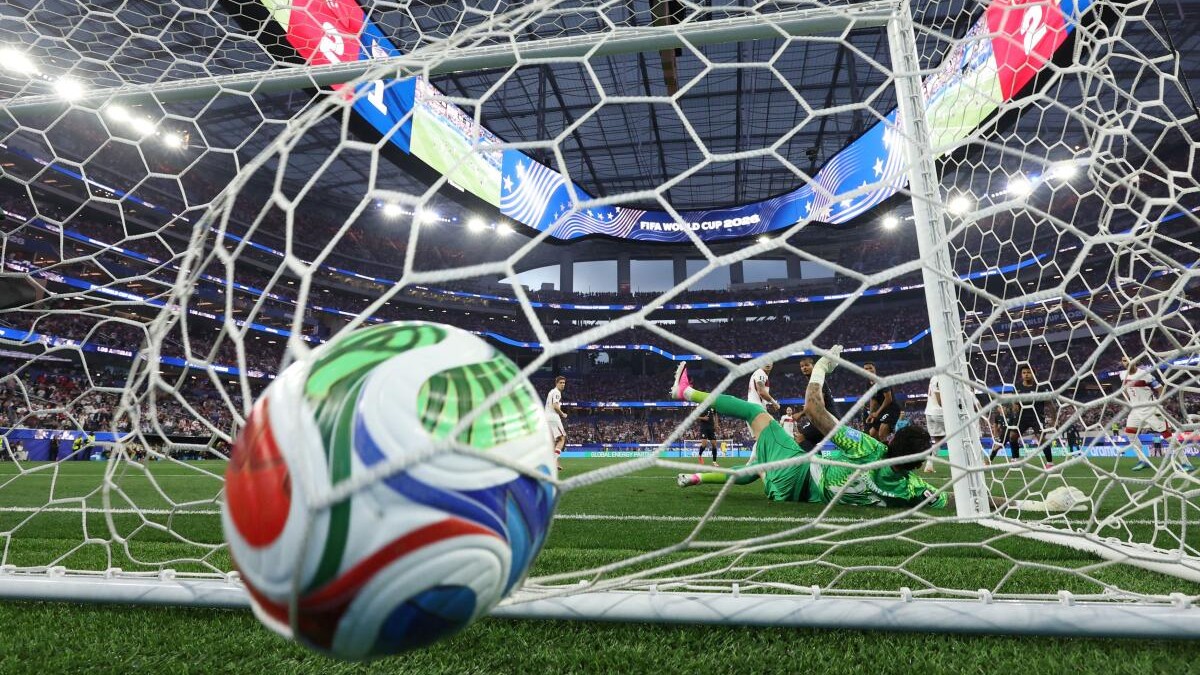
Several types of matches stood out during the competition:
- High-scoring games that produced dramatic scorelines.
- Extra-time matches decided after 90 minutes.
- Penalty shootouts where composure became crucial.
- Unexpected knockout results involving established football nations.
- Tight finals where one moment ultimately determined the champion.
The geographical scale was another defining feature. Matches were played in 16 host cities across Canada, Mexico, and the United States, meaning supporters experienced the tournament through very different football environments. The large host footprint also made the 2026 edition distinct from earlier World Cups that were organized within a smaller geographical area. FIFA
Why the FIFA World Cup Games Matter Beyond Results
World Cup football is often remembered through scores and trophies, but the significance of the tournament goes further. International football provides players with the opportunity to represent their countries on an enormous stage, while supporters connect with national teams through shared sporting experiences.
The expanded 2026 format was particularly important because 48 nations participated. This allowed more footballing cultures to become part of the central World Cup story. For developing football nations, reaching the tournament itself represented an important achievement, while for traditional contenders, the expanded field created additional challenges and different tactical matchups.
The competition also showed how small details can influence knockout football. A single goal in extra time, a penalty shootout, or a moment of individual brilliance can determine whether a team continues toward the trophy or leaves the tournament. Spain’s final victory was a clear example: after a goalless 90 minutes, one extra-time goal decided the championship.
The Legacy of the 2026 Tournament
The 2026 edition established several new benchmarks for the World Cup. It was the first tournament involving 48 teams, the first to be hosted across Canada, Mexico, and the United States, and it featured 104 matches. FIFA reported a total tournament attendance of 6,810,966 spectators, another significant figure associated with the event.
The scale of the tournament also created a much broader archive of matches for football supporters to remember. Instead of focusing only on a handful of knockout encounters, the 2026 competition offered weeks of group-stage and knockout football involving teams from across the world.
From an SEO and sports-content perspective, interest in the tournament can continue even after the final whistle. Supporters often search for results, match summaries, team performances, memorable goals, player achievements, tournament records, and historical comparisons long after a World Cup has ended. That makes the 2026 edition relevant not only as a live sporting event but also as a major historical reference point for international football.
What Fans Can Remember from FIFA World Cup Games 2026
The most important takeaway from the tournament is the sheer variety of football it delivered. Some matches were controlled from the opening minutes, while others remained undecided until extra time or penalties. The expanded format gave supporters more opportunities to watch different national teams and created a wider range of competitive storylines.
The tournament also reinforced the unpredictable nature of knockout football. Brazil, Germany, Portugal, and the United States were among the notable teams whose campaigns ended before the semi-finals, while Norway and other nations produced results that added further surprises to the competition. The knockout bracket demonstrated that reputation alone does not guarantee progression.
At the top of the competition, Spain proved capable of handling the pressure across multiple rounds. Their victory over Argentina in the final completed a tournament journey that included wins over Portugal, Belgium, and France before the championship match. The final itself required extra time, making the achievement even more dramatic.
Conclusion
The FIFA World Cup games of 2026 will be remembered as a major turning point in the history of the competition. With 48 teams, 104 matches, 16 host cities, and three host countries, the tournament expanded the traditional World Cup experience on an unprecedented scale. The competition delivered a mixture of dominant performances, unexpected results, extra-time drama, penalty shootouts, and high-scoring encounters. Spain ultimately claimed the trophy by defeating Argentina 1–0 after extra time on July 19, with Ferran Torres scoring the decisive goal in the 106th minute. The victory gave Spain its second men’s World Cup title and concluded a tournament that generated records, memorable matches, and countless stories for football supporters around the world.