
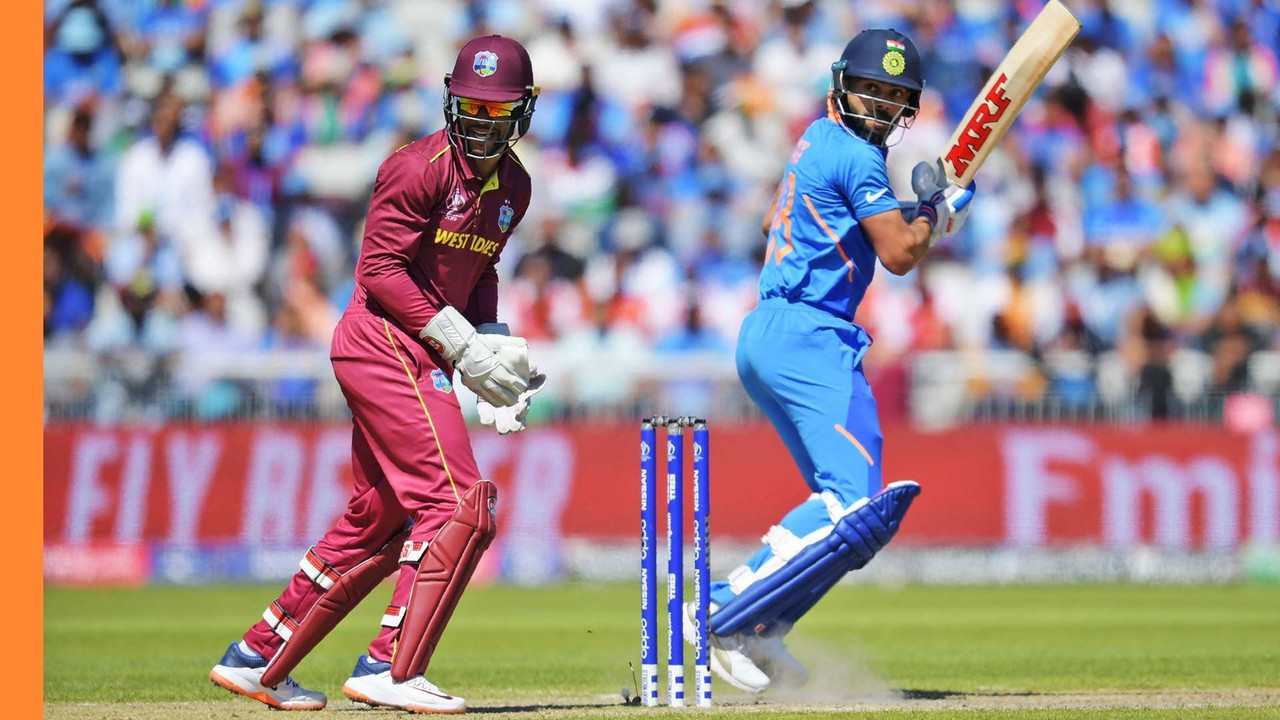

The IND vs WI cricket rivalry continues with a major white-ball series in India during the 2026-27 international home season. India are hosting West Indies for three One-Day Internationals followed by five Twenty20 Internationals, creating an extended contest across different formats and conditions. The series began on September 27, 2026, and is scheduled to continue through October 17, with matches taking place across several Indian cities.
For cricket followers, the series provides more than eight individual matches. The ODI leg gives players an opportunity to build momentum in the 50-over format, while the T20I portion brings a different tactical challenge involving aggressive batting, specialist bowling and flexible team combinations. India have also named separate ODI and T20I squads, highlighting the different requirements of the two formats.
The timing makes this contest particularly interesting because India are continuing preparations toward the 2027 ODI World Cup, while the T20I matches provide opportunities for players competing for places in India’s shorter-format setup. West Indies, meanwhile, arrive with a squad capable of producing strong performances with the bat and will look to make the most of their opportunities against the home side.
IND vs WI Series Overview
The current IND vs WI series consists of three ODIs and five T20Is. The ODI matches are scheduled for Thiruvananthapuram, Guwahati and New Chandigarh, before the teams move into the five-match T20I series in Lucknow, Ranchi, Indore, Hyderabad and Bengaluru. The official schedule confirms that the final match of the tour will be the fifth T20I at M. Chinnaswamy Stadium on October 17.
This structure allows both teams to test their squads in two very different environments. ODI cricket requires sustained concentration, calculated batting partnerships and bowling plans that can remain effective over 50 overs. T20 cricket places greater emphasis on immediate impact, power hitting, matchup-based bowling and quick tactical decisions. Consequently, performances in the ODI series do not necessarily determine what happens in the T20Is.
Current Series Schedule
The following schedule provides a useful overview of the eight matches in the tour:
| Match | Format | Date | Venue | Local Start |
|---|---|---|---|---|
| 1st ODI | ODI | September 27 | Thiruvananthapuram | 2:00 PM |
| 2nd ODI | ODI | September 30 | Guwahati | 2:00 PM |
| 3rd ODI | ODI | October 3 | New Chandigarh | 2:00 PM |
| 1st T20I | T20I | October 6 | Lucknow | 7:00 PM |
| 2nd T20I | T20I | October 9 | Ranchi | 7:00 PM |
| 3rd T20I | T20I | October 11 | Indore | 7:00 PM |
| 4th T20I | T20I | October 14 | Hyderabad | 7:00 PM |
| 5th T20I | T20I | October 17 | Bengaluru | 7:00 PM |
The schedule has been officially announced by the BCCI and is also listed by Cricket West Indies.
India’s Squad and Format Strategy
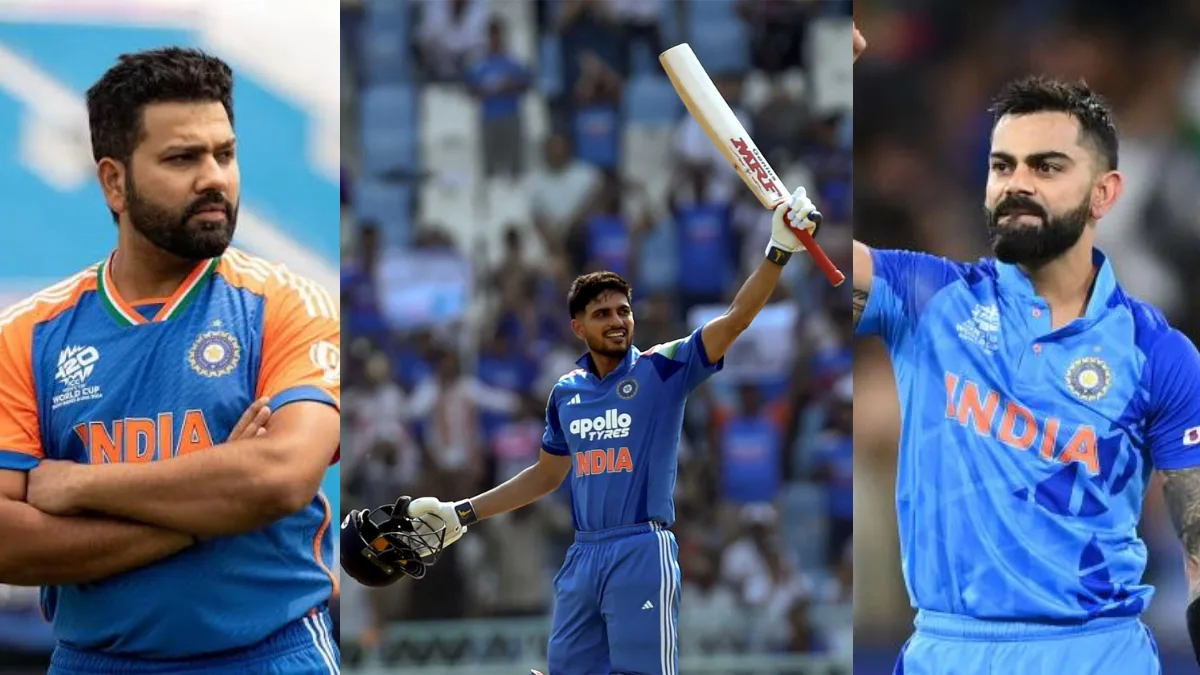
India have selected different squads for the ODI and T20I portions of the tour, reflecting the distinct demands of international white-ball cricket. Shubman Gill has been named ODI captain, with Rohit Sharma, Virat Kohli, Ruturaj Gaikwad, KL Rahul, Ravindra Jadeja, Kuldeep Yadav and Mohammed Siraj among the players selected for the 50-over matches. The squad combines experienced international players with younger options who can contribute to India’s longer-term planning.
For the T20Is, Shreyas Iyer has been appointed captain. The squad includes Abhishek Sharma, Vaibhav Sooryavanshi, Ishan Kishan, Sanju Samson, Tilak Varma, Shivam Dube, Axar Patel, Washington Sundar, Ravi Bishnoi and Arshdeep Singh. This group offers India several batting combinations, multiple spin options and different pace-bowling choices, allowing the team management to adjust selections according to conditions and opposition matchups.
The separation between the squads is also significant from a development perspective. ODI cricket rewards players who can build an innings and maintain discipline through different phases, while T20 cricket often requires players to contribute immediately. India’s selection therefore provides opportunities to evaluate players according to the roles they are expected to perform in each format.
West Indies Bring a Competitive White-Ball Challenge
West Indies remain an entertaining and potentially dangerous limited-overs opponent because of their ability to change the momentum of a match quickly. Their batting lineup contains players capable of scoring rapidly, while their bowlers can create pressure through variations and aggressive spells. Cricket West Indies has highlighted Shai Hope and Keacy Carty as important batting figures, noting their substantial contribution since 2024.
The ODI portion also has additional importance for West Indies because the first two matches of the series mark the end of the current qualification cycle for automatic qualification for the 2027 ICC Men’s Cricket World Cup. Cricket West Indies reported that the team could not overtake its nearest challengers in the qualification standings and would therefore need to participate in the qualification tournament early in 2027.
That context adds another layer to the ODI matches. Individual performances remain important, but the broader qualification situation provides a clear reason for West Indies to continue developing a competitive 50-over structure. Their ability to combine established players with emerging talent will be an important part of their longer-term planning.
Why the ODI Matches Matter
The ODI component of IND vs WI consists of three matches, giving both sides limited opportunities to establish a winning rhythm. Unlike T20 cricket, where a single exceptional spell or explosive innings can dramatically change a match within minutes, ODIs generally provide more time for teams to recover from setbacks. A strong opening partnership, disciplined middle overs and effective death bowling can all influence the final result.
For India, the ODI series also forms part of preparation for the next global 50-over cycle. The BCCI’s announcement identifies the West Indies series as part of India’s home season, while the ICC notes that India’s ODI setup is beginning to build momentum toward the 2027 Cricket World Cup.
The New Chandigarh match on October 3 is particularly important as the final ODI of the tour. It gives both teams a chance to assess lessons from the opening games and make adjustments before moving into the very different T20I format.
The T20I Leg Adds a Different Dimension
Once the ODI series ends, IND vs WI shifts toward five T20Is. The first T20I is scheduled for October 6 at Lucknow, followed by matches in Ranchi, Indore, Hyderabad and Bengaluru. Each venue presents a different setting, while the short format leaves little room for slow starts.
T20 cricket places enormous value on powerplay performance because teams have only 20 overs to establish their innings. Batters need to score efficiently without unnecessarily exposing themselves to early dismissals, while bowlers must balance attacking fields with defensive plans. The middle overs can be especially important when spinners attempt to control scoring against aggressive batting lineups.
The final stages of a T20 innings are equally demanding. Death-over batting can transform an ordinary total into a difficult target, while accurate yorkers, slower deliveries and well-planned field placements can restrict scoring. These tactical differences mean that a player who performs exceptionally in ODIs may still need to adapt before becoming equally influential in T20 cricket.
Key Factors to Watch During the Series
Several areas are likely to attract attention throughout the contest. Rather than focusing only on the final scores, followers can examine how teams approach different phases of each match.
- Powerplay batting: Early scoring rates and wicket preservation can establish the direction of an innings.
- Middle-over control: Spinners and change-of-pace bowlers can become especially important during this period.
- Death overs: Finishing ability with the bat and execution with the ball can significantly affect close matches.
- Team combinations: Both sides have enough options to alter their playing XI according to conditions and format.
These elements can make individual matches unpredictable even when one side has performed well earlier in the series. A change in pitch characteristics, weather or team selection can quickly alter tactical priorities.
Venues Across India Add Variety
The geographical spread of the IND vs WI series means that players must adapt repeatedly. The ODI matches move from Thiruvananthapuram to Guwahati and then New Chandigarh, while the T20Is travel from Lucknow to Ranchi, Indore, Hyderabad and Bengaluru.
Playing at multiple venues can affect preparation because teams must adjust to different pitch characteristics, ground dimensions and local conditions. A venue that rewards stroke-making may require different bowling plans from a ground where slower bowling becomes more effective. Similarly, boundary sizes can influence whether captains prefer attacking fields or defensive strategies.
For players, adapting quickly is part of international cricket. Successful teams generally need to understand the conditions early rather than relying on one fixed game plan throughout an entire tour.
What Fans Can Expect From IND vs WI
The appeal of IND vs WI comes from the contrast between the two teams’ playing traditions and the different demands of modern white-ball cricket. India enter the series with considerable depth across both formats, while West Indies have players capable of producing aggressive performances that can change the direction of a match.
Fans can also expect selection decisions to become an important storyline. India’s separate ODI and T20I squads mean that different players have opportunities to establish themselves in different roles. Young players can gain international experience, while established names have opportunities to demonstrate consistency and leadership.
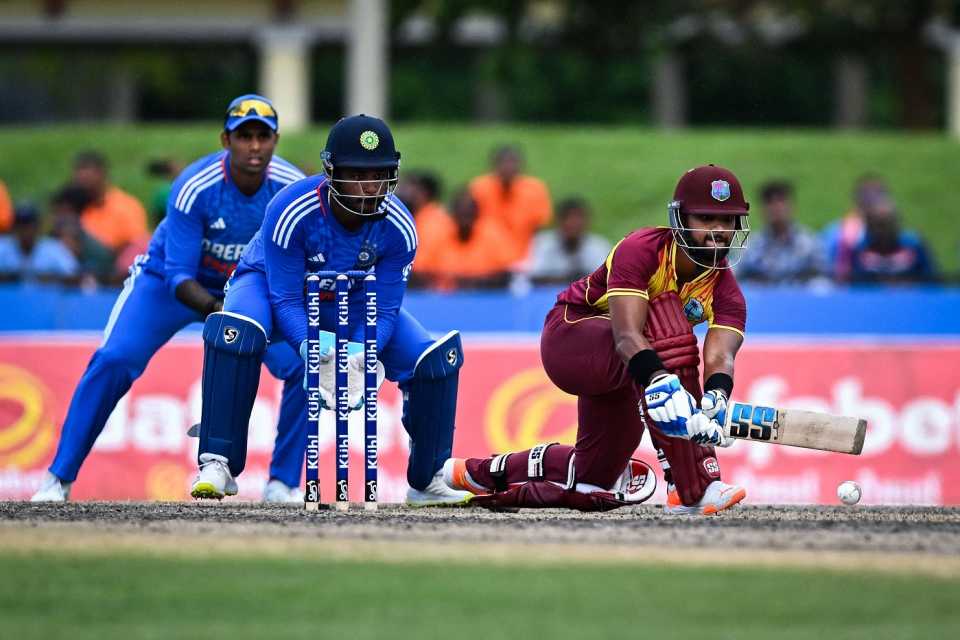
The five-match T20I series should provide particularly useful insight into how India’s selected T20 players operate as a group. Because the matches are closely scheduled, recovery, rotation and tactical flexibility can become just as important as individual performances.
How to Follow the Series
For anyone following the series, it is useful to distinguish between the ODI and T20I schedules rather than treating the entire tour as one competition. The official fixtures confirm the dates, venues and start times, while Cricket West Indies also provides match information and series updates.
The most useful statistics to follow include runs, wickets, strike rates, economy rates, partnerships and performances during powerplay and death-over phases. Looking at these details provides greater context than simply checking the final result. For example, a batter’s contribution may be particularly valuable if it stabilizes an innings after early wickets, while a bowler’s impact may be reflected in restricting scoring rather than taking a large number of wickets.
The Bigger Picture for Both Teams
The wider significance of the series extends beyond the immediate results. India are entering a busy international home season that includes West Indies, Sri Lanka, Zimbabwe and Australia across multiple formats. The BCCI has announced 22 international matches across 17 cities during the 2026-27 home season.
For West Indies, the India tour provides valuable exposure against a strong international side in unfamiliar conditions. The ODI matches also connect with their wider World Cup qualification pathway, while the T20Is offer an opportunity to test players and combinations in a high-profile international environment. Cricket West Indies has emphasized the consistency of key ODI batters such as Shai Hope and Keacy Carty as part of the team’s current development.
This makes the series relevant from both a short-term and long-term perspective. Individual matches matter, but player development, tactical experimentation and preparation for future international competitions are also significant.
Conclusion
The IND vs WI series brings together three ODIs and five T20Is in a wide-ranging contest that covers multiple Indian venues and two contrasting forms of white-ball cricket. With the ODI series running from September 27 to October 3 and the T20I series from October 6 to October 17, supporters have an extended schedule of international cricket to follow. India’s separate format squads create opportunities for different players to establish themselves, while West Indies bring a competitive limited-overs side with experienced batters and players capable of changing matches quickly. The combination of varied venues, different formats and important preparation objectives makes this series significant for both teams.